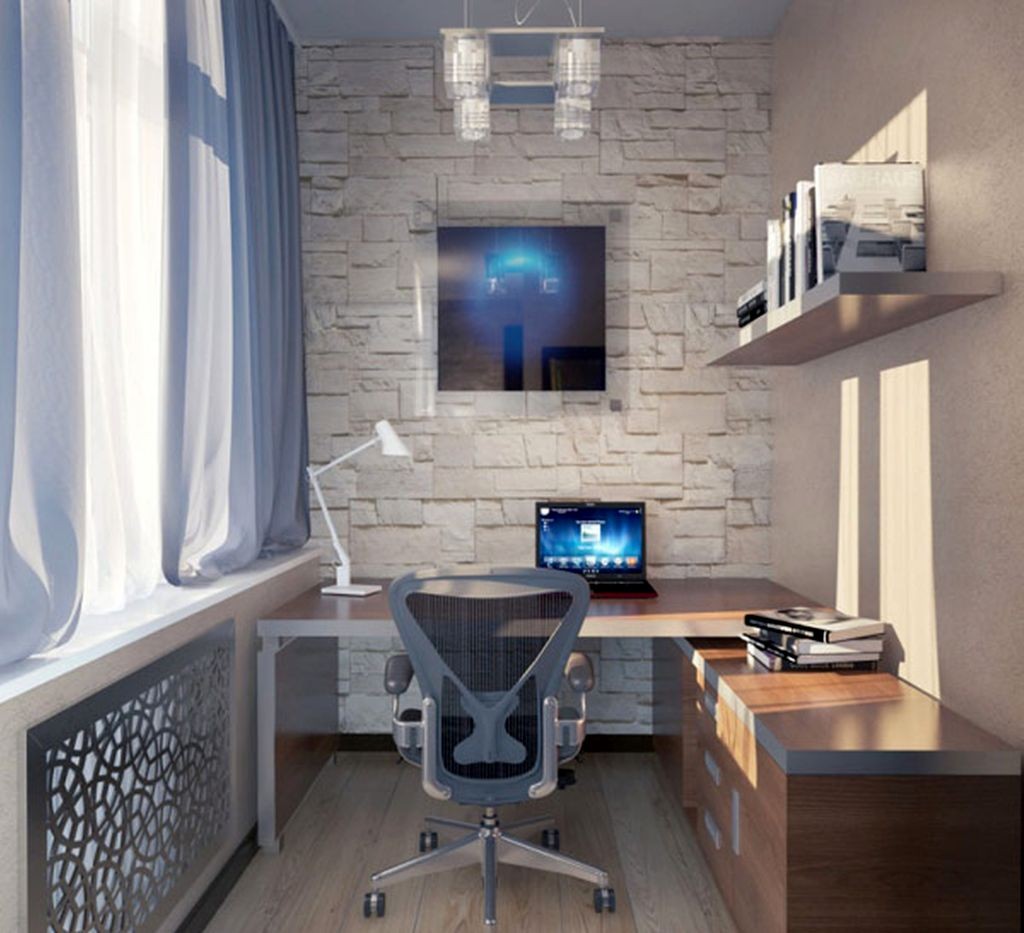
Transforming a cramped corner into a productive workspace is achievable with careful planning. This guide explores the art of creating an efficient home office in small spaces, addressing common challenges and offering practical solutions for maximizing both space and productivity. We’ll delve into space-saving furniture, ergonomic considerations, technological integration, and the principles of compact living to help you design a functional and inspiring home office, no matter the size.
From clever storage solutions and multi-functional furniture to optimizing lighting and managing technology, we’ll provide actionable strategies to create a comfortable and efficient work environment. We’ll also examine the importance of maintaining a clear separation between work and personal life, even within a compact space, to foster focus and well-being.
Incorporating Compact Living Principles
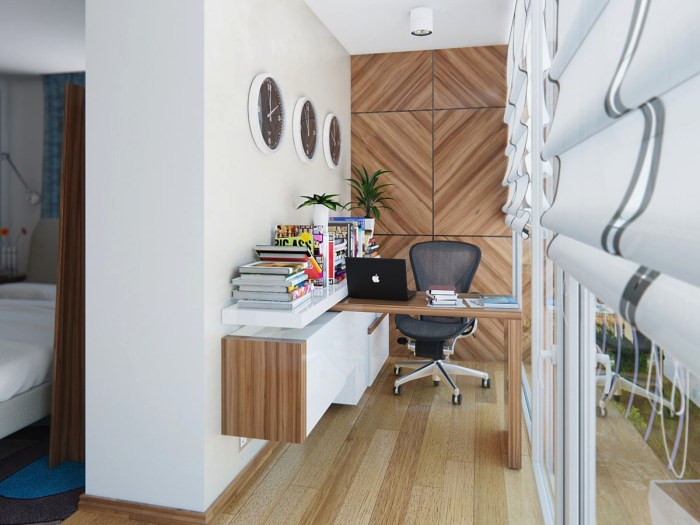
Compact living, the art of maximizing space utilization, is incredibly relevant to designing efficient home offices, especially in smaller spaces. By embracing these principles, you can create a functional and comfortable workspace without sacrificing valuable square footage. The core idea revolves around strategic furniture selection, smart storage solutions, and a mindful approach to organization, all contributing to a productive and aesthetically pleasing environment.
Compact Living Principles Applied to Home Office Design
The principles of compact living directly translate into practical solutions for a small home office. Multifunctional furniture is key; consider a desk with built-in storage, a storage ottoman that doubles as extra seating, or a wall-mounted desk that folds away when not in use. Vertical space should be utilized fully with tall bookshelves, wall-mounted organizers, and drawers that extend the full height of a cabinet.
Think about utilizing hidden storage, such as under-desk drawers or compartments within furniture pieces. Finally, a minimalist approach to décor and accessories prevents clutter and maintains a sense of spaciousness.
Comparison of Compact Living Styles for Home Offices
Several compact living styles can be adapted to a home office setting. Minimalism, characterized by its clean lines and lack of unnecessary items, creates a calm and focused atmosphere ideal for work. Japanese-inspired design emphasizes functionality and natural materials, resulting in a serene and organized space. Scandinavian design incorporates light colors and simple lines, making a small office feel brighter and more open.
The best style will depend on personal preferences and the overall aesthetic of the home. However, all three share the common goal of efficient space utilization.
Maintaining a Clutter-Free and Organized Workspace
Maintaining a clutter-free workspace is paramount for productivity. Regular decluttering sessions are crucial to prevent the accumulation of unnecessary items. Implementing a “one in, one out” rule helps maintain balance. Vertical storage solutions, as previously mentioned, keep items off the desk and floor, maximizing floor space and minimizing visual clutter. Designated storage areas for specific items, such as stationery, documents, and technology accessories, streamline workflows and prevent disorganization.
Proper labeling of storage containers further improves efficiency in locating items.
Visual Representation of a Compact Home Office
Imagine a small room, painted a calming light grey. A wall-mounted, fold-down desk, made of light oak, is neatly tucked away against one wall when not in use. Beneath the desk, a series of slim, white drawers provide ample storage for office supplies. A tall, slender bookshelf, also made of light oak, stands in a corner, showcasing a small collection of books and decorative items.
A comfortable, upholstered storage ottoman sits opposite the desk, providing additional seating and hidden storage for documents or personal items. The floor is bare, except for a small, neutral-colored rug placed under the desk and ottoman. The overall aesthetic is clean, organized, and maximizes the limited space, creating a functional and aesthetically pleasing home office.
Maintaining a Productive and Inspiring Workspace
Creating a productive and inspiring home office, even in a small space, is achievable with careful planning and design. A well-organized and aesthetically pleasing workspace significantly impacts mood and work efficiency. By incorporating elements that promote focus and creativity, you can transform a small area into a highly functional and motivating environment.
Visually Appealing and Motivating Office Design
A visually appealing workspace contributes significantly to productivity. Consider a calming color palette, incorporating natural elements like plants to improve air quality and reduce stress. Good lighting is crucial; a combination of natural light and task lighting prevents eye strain and enhances focus. Decluttering is essential; a tidy space promotes a clear mind. Adding personal touches, such as inspirational artwork or family photos, can boost morale and create a positive atmosphere.
For instance, a vibrant green plant on your desk can add a touch of nature, while a framed motivational quote can provide a daily reminder of your goals. Furthermore, incorporating a comfortable chair and a well-organized desk setup contributes to physical comfort and mental well-being.
Separating Work and Personal Life in a Small Space
Maintaining a clear separation between work and personal life is crucial for preventing burnout and maintaining a healthy work-life balance, especially in a small space. Designated work hours and a dedicated workspace, even if small, help establish boundaries. Putting away work materials at the end of the day signals the transition to personal time. Avoid checking work emails or engaging in work-related activities outside of designated work hours.
Consider using a room divider or a visually distinct area to create a psychological separation between work and relaxation zones. For example, a simple bookshelf can effectively divide a multi-functional room, separating your workspace from your living area.
Minimizing Distractions in a Small Home Office
Distractions significantly impact productivity. Minimizing noise is key; consider using noise-canceling headphones or creating a quiet workspace. Limit visual distractions by decluttering your workspace and minimizing unnecessary items. Turn off social media notifications and put your phone on silent during focused work periods. Communicate your work schedule to family members to minimize interruptions.
For instance, using a “Do Not Disturb” sign can effectively communicate your need for focused work time. Similarly, scheduling specific times for email checks rather than constantly monitoring your inbox can reduce distractions.
Optimizing Productivity with a Daily Routine
A structured daily routine maximizes productivity. Start your workday with a clear to-do list, prioritizing tasks based on urgency and importance. Schedule breaks throughout the day to avoid burnout. Incorporate short periods of physical activity or mindfulness exercises to refresh your mind. End your workday with a clear plan for the following day, ensuring a smooth transition.
For example, a typical routine could involve a 30-minute work session followed by a 5-minute break, repeated throughout the day. This structured approach helps maintain focus and prevents feeling overwhelmed. Consistently following a routine helps establish healthy work habits and improves overall efficiency.
Creating an efficient home office in a small space is not about compromise; it’s about strategic design. By thoughtfully incorporating space-saving furniture, optimizing ergonomics, and leveraging technology, you can craft a productive and inspiring workspace that reflects your personal style and enhances your work life. Remember that the key is mindful planning and a commitment to maintaining a clutter-free and organized environment, allowing you to focus on what truly matters: your work.
Essential FAQs
What if I don’t have natural light in my home office?
Utilize high-quality artificial lighting, such as full-spectrum LED lamps, to mimic natural light and reduce eye strain. Consider a layered lighting approach with ambient, task, and accent lighting.
How can I improve my internet speed in a small space?
Position your router centrally to minimize signal loss. Consider using a mesh Wi-Fi system for improved coverage and speed, especially in spaces with thick walls.
What are some affordable space-saving solutions?
Look for multi-functional furniture like a desk with built-in shelving or storage ottomans. Utilize vertical space with wall-mounted shelves and utilize under-desk drawers.
How do I minimize distractions in a shared space?
Communicate clearly with household members about your work hours and the need for uninterrupted focus. Use noise-canceling headphones and establish a designated workspace to create a mental boundary.


