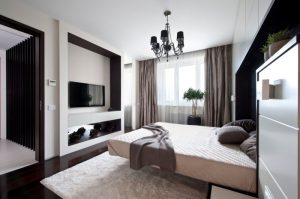
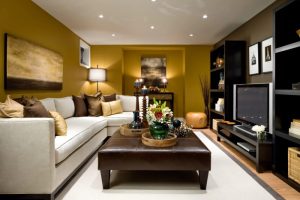
Transforming a small space into a comfortable and functional home can feel like a design puzzle. The key lies in selecting furniture that maximizes space and enhances the overall aesthetic. This guide explores the best furniture options for compact living, offering practical solutions and inspiring ideas to create a haven despite size limitations. We’ll delve into space-saving furniture, design principles, and storage solutions to help you create a home that’s both stylish and practical.
From cleverly designed sofa beds to multi-functional storage units, we’ll uncover a range of furniture tailored to maximize every inch of your compact living space. We’ll also consider the impact of color palettes, lighting, and interior design styles on the perception of space, providing you with a comprehensive guide to creating the perfect compact living environment.
Understanding Compact Living
Compact living, the art of maximizing functionality within limited square footage, presents unique challenges and rewards. It necessitates a thoughtful approach to furniture selection, spatial organization, and overall design aesthetic to create a comfortable and efficient living environment. The increasing cost of housing in many urban areas and a growing awareness of sustainable living practices have fueled the popularity of compact living arrangements.
Challenges of Furnishing Compact Spaces
Furnishing a compact living space requires careful consideration of several factors. Limited floor space restricts the number and size of furniture pieces that can be accommodated. Storage solutions are crucial, as there is less room to conceal belongings. Maintaining a sense of spaciousness and avoiding a cluttered feel requires strategic planning and the selection of appropriately scaled furniture.
Furthermore, navigating the balance between functionality and aesthetics within a small area can be challenging, requiring creative solutions to maximize both.
Examples of Compact Living Arrangements
Compact living encompasses a variety of dwelling types. Studios, typically consisting of a single room that serves as a living area, bedroom, and kitchen, epitomize the challenges and rewards of maximizing space. Small apartments, ranging from one to two bedrooms, present similar space constraints but often offer a degree of separation between living areas. Micro-apartments, an increasingly popular trend in densely populated urban centers, represent the extreme end of compact living, often featuring highly innovative and space-saving design features.
Even within larger homes, a small guest room or home office can benefit from the principles of compact living design.
Design Principles for Maximizing Space in Small Homes
Several design principles can significantly enhance the functionality and spaciousness of a compact living space. Light colors on walls and floors create a sense of openness and airiness, making the space feel larger than it is. Mirrors strategically placed can visually expand the room by reflecting light and creating the illusion of depth. Vertical storage solutions, such as tall bookshelves or wall-mounted cabinets, utilize otherwise unused vertical space.
Minimalist décor, focusing on essential furniture and avoiding clutter, helps maintain a feeling of spaciousness. Careful consideration of furniture placement, ensuring efficient traffic flow, is also vital. For instance, avoiding placing furniture directly against walls can make a room feel less cramped.
The Importance of Multi-Functional Furniture in Compact Spaces
Multi-functional furniture is paramount in compact living. A sofa bed, for example, serves as both seating and sleeping accommodation, effectively doubling its function within a limited space. Ottoman storage units provide both seating and concealed storage, eliminating the need for separate storage solutions. Fold-away desks or tables can be easily stored when not in use, freeing up valuable floor space.
Murphy beds, which fold away into a wall, are another space-saving marvel, especially useful in studio apartments. These examples highlight the crucial role of versatile furniture in maximizing functionality and minimizing visual clutter in compact living spaces.
Space-Saving Furniture Solutions
Maximizing space in compact living requires strategic furniture choices. The right pieces can transform a small apartment into a comfortable and functional home, blending style and practicality. Understanding the features and benefits of space-saving furniture is key to achieving this.
Five Types of Space-Saving Furniture
Choosing furniture with multi-functionality is paramount in compact living. Below are five types that excel in this regard, offering both style and practicality.
- Sofa Beds: These versatile pieces serve as both comfortable seating and a sleeping area, ideal for guests or as a primary bed in a studio apartment. Their ability to transform from sofa to bed saves valuable floor space.
- Murphy Beds: These wall-mounted beds fold completely away into a cabinet, offering the ultimate space-saving solution. When not in use, they disappear, freeing up floor space for other activities.
- Loft Beds: By elevating the bed, loft beds create space underneath for a desk, storage, or even a small seating area. This vertical design maximizes floor space in a room.
- Ottoman Storage: Ottomans with built-in storage provide extra seating and hidden space for blankets, pillows, or other items. The functionality of seating combined with storage makes this a very useful piece.
- Nesting Tables: These sets of tables fit neatly inside each other, allowing you to easily adjust the amount of table space you need depending on the situation. They can be stored away when not in use, maximizing space.
Comparison of Sofa Beds, Murphy Beds, and Futons
Sofa beds, Murphy beds, and futons all offer space-saving sleep solutions, but they differ in their functionality and suitability for different needs. Sofa beds are generally more comfortable for seating but may not offer the same sleeping comfort as a dedicated bed. Murphy beds offer the most space-saving solution, completely disappearing when not needed, but can be more expensive and require professional installation.
Futons, while compact, may not be as comfortable for sleeping or seating as the other two options. The choice depends on individual priorities and budget.
Sample Small Living Room Layout
This table illustrates a sample layout for a small living room using space-saving furniture. The arrangement prioritizes functionality and maximizes floor space.
| Item | Placement | Notes |
|---|---|---|
| Sofa Bed | Against longest wall | Provides seating and sleeping space |
| Nesting Tables | In front of sofa | Provides flexible table space |
| Ottoman with Storage | Near sofa | Additional seating and storage |
| Bookshelf with Hidden Storage | Corner | Vertical storage for books and other items |
Furniture with Hidden Storage Solutions
Hidden storage is crucial for maintaining a clutter-free and organized compact living space. The following furniture pieces offer discreet storage options:
- Ottoman with Storage: As mentioned above, ottomans can provide ample hidden storage for blankets, pillows, or other items.
- Coffee Table with Drawers: Coffee tables with drawers or lift-top storage offer a convenient place to store remotes, magazines, or games.
- Beds with Under-Bed Storage: Many bed frames offer drawers or storage space underneath, ideal for storing seasonal clothing or extra bedding.
- Bookshelves with Cabinets: Bookshelves with built-in cabinets provide storage for books, as well as other items that you wish to keep hidden from sight.
- Modular Storage Units: These customizable units can be configured to fit any space and offer both open and closed storage solutions.
Furniture Selection Criteria for Small Spaces
Choosing the right furniture is crucial for maximizing space and comfort in compact living. Careful consideration of scale, color, and materials can dramatically impact the overall feel of a small room, transforming it from cramped to cozy and functional. This section will explore key criteria for furniture selection in small spaces.
Scale and Proportion in Furniture Selection
The relationship between furniture size and room dimensions is paramount in small spaces. Oversized furniture can overwhelm a room, making it feel smaller and more cluttered. Conversely, furniture that is too small can look lost and disproportionate. The ideal approach involves selecting furniture pieces that are appropriately scaled to the room’s dimensions, leaving adequate space for movement and functionality.
For instance, a large sectional sofa might be unsuitable for a small living room, while a compact loveseat or a pair of armchairs would be more appropriate. Maintaining a sense of balance and proportion ensures visual harmony and prevents the space from feeling cramped. Consider measuring your room and the furniture pieces before purchasing to ensure a good fit.
Advantages and Disadvantages of Light-Colored Furniture
Light-colored furniture offers several advantages in small rooms. Light colors reflect more light, creating an illusion of spaciousness and brightening the overall atmosphere. They also tend to make the room feel less cluttered and visually less heavy than darker furniture. However, light-colored furniture can show dirt and stains more easily, requiring more frequent cleaning. Furthermore, while light colors expand the visual space, they might lack the visual warmth and character of darker hues.
The choice between light and dark furniture depends on personal preference and the overall design aesthetic. A balance might be achieved by incorporating both light and dark elements strategically.
Materials Creating an Illusion of More Space
Certain materials can contribute to the illusion of more space in a small room. Transparent or translucent materials, such as glass or acrylic, allow light to pass through, minimizing visual obstruction and creating an airy feel. Lightweight materials like rattan or bamboo, while offering visual texture, don’t appear heavy or bulky, contributing to a sense of openness. Mirrors strategically placed can also significantly expand the perceived space by reflecting light and creating depth.
Finally, using furniture with exposed legs, rather than bulky bases, keeps the floor visible, contributing to a feeling of spaciousness.
Comparison of Furniture Materials for Small Spaces
| Material | Pros | Cons | Suitability for Small Spaces |
|---|---|---|---|
| Wood | Durable, classic look, adds warmth | Can be heavy and bulky, may require more space | Best suited for smaller pieces or lighter woods |
| Metal | Lightweight, sleek design, easy to clean | Can be cold and less visually warm, prone to scratches | Good choice for accent pieces or furniture with open designs |
| Plastic | Lightweight, affordable, easy to clean | Can look cheap, less durable than wood or metal | Suitable for temporary or budget-friendly solutions; careful material selection is crucial |
Maximizing Storage and Organization
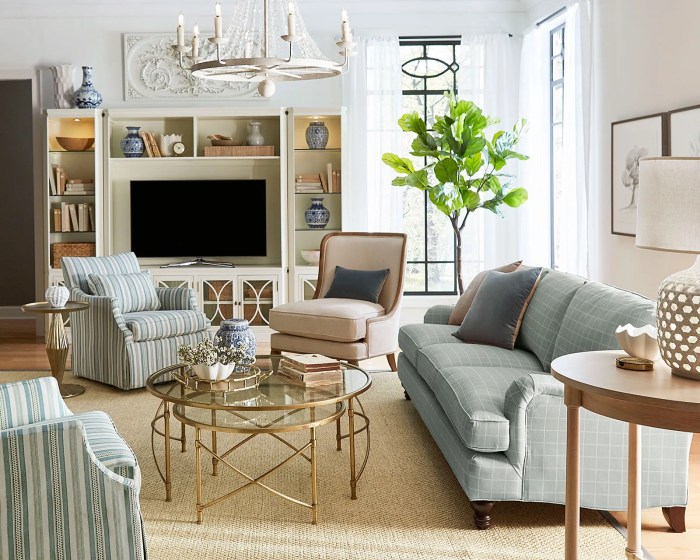
In compact living, storage isn’t just about fitting things away; it’s about creating a functional and aesthetically pleasing space. Clever storage solutions are crucial for maintaining a sense of order and preventing your small space from feeling overwhelmed. This section explores various storage options and provides strategies for maximizing storage capacity while minimizing visual clutter.
Effective storage in compact spaces relies on utilizing every available inch creatively. This involves a thoughtful combination of vertical storage, under-bed solutions, and wall-mounted shelving, all designed to work together harmoniously. The key is to create a system that’s both functional and visually appealing, preventing the storage itself from becoming a source of clutter.
Vertical Storage Solutions
Vertical storage maximizes floor space by utilizing the often-underutilized vertical dimension. Tall, narrow bookshelves, stacked storage cubes, and even multi-tiered shoe racks are excellent examples. These solutions allow you to store a significant amount of items without sacrificing valuable floor space. Consider using transparent containers on shelves to easily see contents and maintain a clean aesthetic. A well-designed vertical storage system can significantly increase storage capacity while enhancing the overall visual appeal of the room.
Under-Bed Storage Solutions
The space under the bed is often overlooked, but it presents a prime opportunity for hidden storage. Under-bed storage containers, drawers, and lift-up bed frames can dramatically increase storage capacity. Opt for lightweight, easily accessible containers to avoid struggling with heavy boxes. Labeling the contents of each container will help you quickly locate items and maintain organization. This strategy efficiently uses otherwise unused space, freeing up valuable floor area.
Wall-Mounted Shelving Systems
Wall shelves offer a stylish and space-saving way to store books, decorative items, and other belongings. Floating shelves, especially those with a minimalist design, can create a clean and modern look. Utilize different shelf depths and heights to accommodate various items, and consider using baskets or boxes to keep things organized and visually appealing. Remember to distribute the weight evenly to prevent damage to your walls.
Well-placed wall shelves can create visual interest and add storage without taking up floor space.
Creating a Visually Appealing Storage System
A visually appealing storage system is just as important as a functional one. Maintaining a consistent color palette for storage containers and using uniform containers can create a sense of cohesion and prevent the storage from appearing cluttered. Incorporate decorative elements such as baskets or attractive boxes to add visual interest. Avoid overcrowding shelves and drawers; leave some empty space to prevent a cluttered look.
A well-designed storage system should enhance the overall aesthetics of the space rather than detract from it.
Decluttering and Organizing Belongings
Decluttering is essential before implementing any new storage system. Start by sorting through your belongings, discarding anything you no longer need or use. Organize remaining items into categories, making it easier to decide where to store them. Utilize vertical space within drawers and shelves using dividers or organizers. Regularly purge items you no longer need to prevent accumulation.
The goal is to maintain a streamlined and organized system that’s easy to manage in a compact space.
A Well-Organized Compact Closet System
Consider this example of a well-organized closet system:
- Vertical Hanging Rods: Two hanging rods, one above the other, maximize vertical space for clothes.
- Shelving Units: Adjustable shelves accommodate folded clothes, shoes, and accessories.
- Drawer Units: Shallow drawers provide space for undergarments, socks, and other small items.
- Shoe Organizers: Over-the-door shoe organizers or tiered shoe racks utilize otherwise wasted space.
- Hanging Organizers: Fabric hanging organizers create additional storage for accessories, scarves, and belts.
- Clear Storage Bins: Transparent bins on shelves allow easy identification of contents.
Compact Living Style Considerations
Creating a stylish and functional compact living space requires careful consideration of interior design principles. The right style, color palette, and use of light and mirrors can dramatically impact the perceived size and ambiance of a small home, transforming a cramped space into a comfortable and inviting haven.The choice of interior design style significantly influences the perception of space in a compact home.
Impact of Interior Design Styles on Space Perception
Different design styles offer varying approaches to maximizing space. Minimalist design, for instance, prioritizes functionality and clean lines, eliminating clutter and maximizing the feeling of openness. Scandinavian design, with its emphasis on light, natural materials, and a neutral color palette, similarly creates an airy and spacious atmosphere. In contrast, a heavily decorated or cluttered space, regardless of style, will always feel smaller.
The key is to select a style that embraces simplicity and avoids visual weight. A cohesive, uncluttered aesthetic contributes significantly to a sense of spaciousness.
Utilizing Mirrors and Lighting to Enhance Spaciousness
Mirrors are invaluable tools for enhancing the feeling of spaciousness in compact living. Strategically placed mirrors, particularly larger ones, can visually double the size of a room by reflecting light and creating a sense of depth. A full-length mirror positioned opposite a window, for example, will maximize natural light and create an illusion of a larger space. Similarly, well-placed lighting is crucial.
Layered lighting—combining ambient, task, and accent lighting—creates a more dynamic and spacious feel compared to relying solely on a single overhead light. Ambient lighting, such as recessed lighting or a stylish pendant lamp, provides overall illumination. Task lighting, like desk lamps or reading lights, focuses light on specific areas, while accent lighting, such as strategically placed spotlights or wall sconces, highlights architectural features or artwork, adding visual interest without cluttering the space.
Color Palettes for Small Spaces
Light and bright color palettes are generally recommended for small spaces, as they make rooms appear larger and more airy. Think soft whites, creams, light grays, and pastels. However, this doesn’t preclude the use of bolder colors as accents. A single wall painted in a vibrant color, for example, can add personality and visual interest without overwhelming the space.
It’s important to maintain a balance; avoid using too many dark or bold colors, which can make a small room feel cramped and closed in. Consider a monochromatic scheme with varying shades of a single color for a cohesive and visually appealing look that also enhances the sense of spaciousness.
Mood Board: A Scandinavian-Inspired Compact Living Space
Imagine a mood board showcasing a Scandinavian-inspired compact living space. The background is a soft, creamy white. In the center, a digitally rendered image depicts a small, open-plan living area with large windows allowing ample natural light to flood the room. The furniture is minimalist and functional: a light-colored, low-profile sofa in a light grey fabric, a small, round coffee table made of light wood, and a simple, white shelving unit against one wall.
The shelving unit displays a few carefully curated items—a few books, a small plant, and a decorative bowl. A large, rectangular mirror is hung on the wall opposite the windows, reflecting the natural light and visually expanding the space. The floor is light-colored wood, contributing to the airy and bright atmosphere. A soft, textured rug in a muted beige tone anchors the seating area.
The color palette is primarily composed of whites, creams, light greys, and natural wood tones, with a touch of muted blue in the throw pillows on the sofa. The overall impression is one of clean lines, functionality, and a sense of calm and spaciousness, despite the compact size of the space. The lighting is subtle and layered, with recessed lighting providing ambient light and a small table lamp adding task lighting to a reading nook near the window.
The mood board effectively communicates a functional and visually appealing compact living space utilizing the principles of Scandinavian design.
Creating a functional and aesthetically pleasing compact living space is achievable with careful planning and the right furniture choices. By prioritizing multi-functional pieces, smart storage solutions, and thoughtful design principles, you can transform a small area into a comfortable and inviting home. Remember, maximizing vertical space, choosing light colors, and incorporating mirrors can significantly enhance the feeling of spaciousness.
Embrace the challenge, and enjoy the process of designing your perfect compact living space!
Q&A
What are some good materials for furniture in a small space?
Light-colored wood, glass, and metal create an illusion of more space. Avoid overly bulky or dark materials.
How can I make my small living room feel bigger?
Use mirrors to reflect light and create the illusion of depth. Opt for light and airy colors, and keep the space clutter-free.
Where can I find space-saving furniture?
Many online retailers and furniture stores specialize in compact living solutions. Look for s like “space-saving,” “multi-functional,” or “small space furniture.”
Is it better to have a sofa bed or a Murphy bed?
It depends on your needs. Sofa beds offer daily seating, while Murphy beds are more discreet and save more space when not in use.