Transforming a compact living room from a cramped space into a functional and stylish haven is achievable with thoughtful planning and creative design. This guide explores practical strategies for maximizing space, selecting appropriate furniture, and implementing effective storage solutions to create a comfortable and inviting atmosphere, even within limited square footage.
We’ll delve into the nuances of color palettes, lighting techniques, and decorative elements, all tailored to enhance the sense of spaciousness and create a personalized aesthetic. Discover how to overcome the challenges of small-space living and unlock the full potential of your compact living room.
Decorative Elements and Accessories
Creating a stylish and functional compact living room requires careful consideration of decorative elements. Over-accessorizing can quickly make a small space feel cramped and cluttered, negating the goal of a comfortable and inviting atmosphere. The key is to select pieces that are both aesthetically pleasing and serve a practical purpose, maximizing space and minimizing visual noise.Choosing the right decorative elements and accessories for a compact living room involves a balance between style and functionality.
Prioritizing multi-functional pieces and minimizing the number of items displayed is crucial. Strategic placement and careful selection of colors and textures can further enhance the sense of space and sophistication.
Wall Decor in Compact Living Rooms
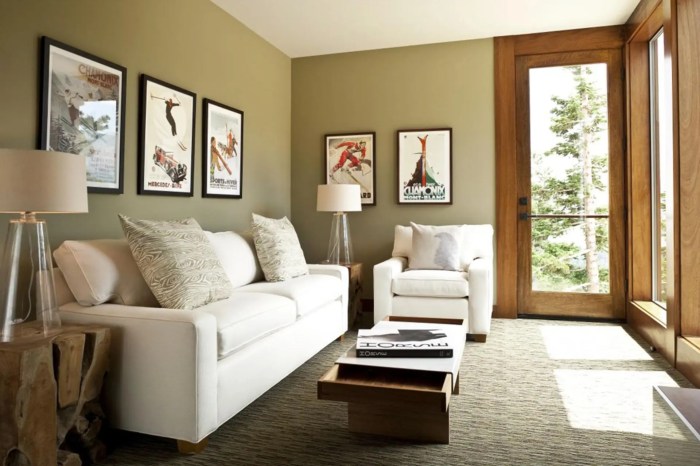
Wall decor offers a fantastic opportunity to inject personality and visual interest into a small living room without sacrificing precious floor space. However, it’s vital to avoid overwhelming the room with too much visual stimulation. Large, bold artwork can be effective, but only if it’s the focal point. Alternatively, a gallery wall of smaller, carefully curated pieces can create a similar impact without feeling cluttered.
Consider using a cohesive color palette or theme to unify the collection and prevent the wall from feeling chaotic. For example, a gallery wall featuring black and white photography in consistent frames would create a sophisticated and unified look. Another option would be a series of framed botanical prints in muted greens and browns, lending a calming and natural aesthetic.
Alternatively, a single, large-scale piece of abstract art in calming neutral tones could serve as a striking focal point, drawing the eye and adding a touch of modern elegance. The key is to choose pieces that reflect your personal style while complementing the overall design scheme of the room. Avoid overly busy or detailed artwork, opting instead for clean lines and simple designs that won’t visually shrink the space.
Minimalist Decor for a Compact Living Room
This design incorporates minimalist principles to maximize space and create a serene atmosphere. The color palette is limited to neutrals—off-white walls, a light grey sofa, and a natural wood coffee table. This creates a sense of spaciousness and allows the few carefully selected decorative elements to stand out. The sofa is a simple, streamlined design without excessive cushions or embellishments.
A single, large-scale piece of abstract art in muted greys and whites hangs above the sofa, serving as a focal point without overwhelming the space. A simple, geometric patterned rug anchors the seating area and adds a touch of texture. A few carefully chosen books and a small, sleek plant on the coffee table complete the look, adding a touch of personality without cluttering the space.
The rationale behind each choice is to prioritize functionality and simplicity, avoiding unnecessary ornamentation. Every item serves a purpose and contributes to the overall feeling of calm and spaciousness. The minimalist approach ensures that the compact living room feels open, airy, and inviting, despite its limited square footage.
Compact Living
Compact living, the art of maximizing functionality within minimal square footage, demands a thoughtful approach to design and a conscious shift in lifestyle. It’s about embracing minimalism, prioritizing essential items, and creatively utilizing space to achieve a comfortable and aesthetically pleasing environment. This approach isn’t about sacrificing comfort; instead, it’s about refining it to fit a smaller footprint.
Key Principles of Compact Living and Lifestyle Adjustments
The core principles of compact living revolve around intentional living and efficient space management. This involves decluttering regularly, investing in multi-functional furniture, and adopting a minimalist mindset where only essential items are retained. Lifestyle adjustments often include embracing a more organized approach to daily routines, streamlining belongings, and potentially re-evaluating consumption habits. For example, instead of accumulating numerous books, one might opt for an e-reader, and instead of owning multiple sets of dishes, a smaller, more practical set suffices.
This shift requires a conscious effort to prioritize quality over quantity.
Maintaining Openness and Airiness in a Small Living Room
Creating a sense of spaciousness in a compact living room involves employing visual strategies to enhance the feeling of openness. Light colors on walls and floors reflect light, making the room appear larger. Mirrors strategically placed can also create the illusion of more space by reflecting light and expanding the visual field. Decluttering is paramount; a cluttered room feels smaller and more cramped.
Regular purging of unnecessary items and strategic storage solutions contribute significantly to this goal. For instance, a well-organized shelving system can hold items neatly, keeping surfaces clear. Large, bulky furniture should be avoided in favor of smaller, lighter pieces.
Maximizing Space and Functionality in a Compact Living Environment
Effective space maximization requires a multifaceted strategy.
- Vertical Space Utilization: Utilize vertical space with tall bookshelves, wall-mounted storage units, and overhead cabinets to store items efficiently and keep floor space clear.
- Multi-functional Furniture: Invest in furniture pieces that serve multiple purposes, such as a sofa bed, ottomans with storage, or a coffee table with drawers. A Murphy bed, for example, can transform a living room into a bedroom at night.
- Built-in Storage: Consider incorporating built-in storage solutions, such as custom shelving or drawers, to maximize storage capacity while maintaining a clean aesthetic. This can include custom-designed units that seamlessly integrate into the room’s design.
- Strategic Lighting: Utilize layered lighting, combining ambient, task, and accent lighting, to create a warm and inviting atmosphere while also highlighting architectural features that add visual interest and depth.
- Decluttering and Organization: Regularly declutter and organize belongings to prevent accumulation and maintain a sense of order. Employ storage containers, labels, and drawer dividers to keep items neatly stored and easily accessible.
- Minimalist Decor: Opt for minimalist décor, focusing on a few key pieces that add personality and style without overwhelming the space. Avoid overcrowding the room with too many accessories or furniture items.
Ultimately, designing a compact living room is about embracing smart solutions and prioritizing functionality without compromising style. By carefully considering furniture choices, storage strategies, and decorative elements, you can create a space that is both visually appealing and highly functional. Remember, even in a small space, a well-designed living room can be a comfortable and inviting sanctuary.
FAQ Resource
What is the ideal furniture height for a compact living room?
Lower profile furniture generally works best in smaller spaces, preventing the room from feeling visually cluttered.
How can I make my compact living room feel brighter?
Maximize natural light by keeping windows unobstructed. Use light and reflective colors on walls and incorporate ample artificial lighting with layered illumination (ambient, task, accent).
What are some affordable storage solutions for a small living room?
Consider using ottomans with storage, floating shelves, and vertical storage units like bookshelves or slim storage cabinets. DIY solutions like repurposed crates or baskets can also be cost-effective.
How do I choose the right rug for a small living room?
Select a rug that is proportionate to the room’s size; too large can overwhelm, too small can look insignificant. Light-colored rugs can help make the room feel larger.