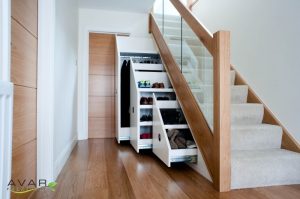
Transforming a small apartment from cramped chaos to a functional and stylish haven is achievable with strategic planning and creative solutions. This guide delves into practical techniques for maximizing space, selecting the right furniture, and implementing effective organization strategies to create a comfortable and aesthetically pleasing living environment, even within limited square footage. We’ll explore innovative storage ideas, smart furniture choices, and design principles that will help you unlock the full potential of your compact space.
From clever storage solutions and multifunctional furniture to the impact of color and lighting on perceived space, we’ll cover all aspects of optimizing your small apartment. Learn how to declutter effectively, create a functional floor plan, and utilize design principles to enhance both the functionality and aesthetic appeal of your home. By the end, you’ll possess the knowledge and inspiration to create a small apartment that feels spacious, organized, and truly reflects your personal style.
Maximizing Space in a Small Apartment
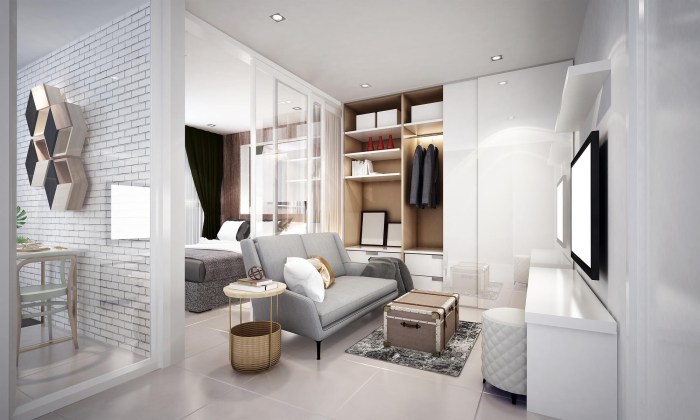
Living in a small apartment presents unique challenges, but with clever planning and creative solutions, you can maximize your space and create a comfortable and functional living environment. Efficient storage is key to achieving this, particularly by utilizing often-overlooked vertical space. This section will explore various strategies for optimizing your apartment’s layout and storage capabilities.
Innovative Storage Solutions
Effective storage solutions are crucial for small apartments. The following table details five innovative approaches, focusing on vertical space, to help you maximize your storage capacity.
| Solution | Description | Benefits | Drawbacks |
|---|---|---|---|
| Over-the-Door Organizers | Imagine a slender, white organizer with multiple pockets hanging neatly on the back of your bedroom door. Each pocket is clearly defined and sized to hold various items, from shoes and toiletries to cleaning supplies and accessories. | Adds storage without taking up floor space; easily accessible; customizable to fit various needs. | Limited storage capacity per organizer; may not be suitable for all door types; can look cluttered if overstuffed. |
| Vertical Shelving Units | Picture a tall, narrow bookshelf, perhaps made of light-colored wood with multiple adjustable shelves. It reaches almost to the ceiling, maximizing vertical space. The shelves are evenly spaced and strong enough to hold books, decorative items, and even small appliances. | Maximizes vertical space; provides ample storage; can be aesthetically pleasing; relatively inexpensive. | Can feel imposing in a very small room; requires careful placement to avoid obstructing light or walkways. |
| Under-Bed Storage Containers | Envision clear plastic bins with lids, neatly stacked under your bed. These containers are designed to slide easily in and out, allowing for convenient access to stored items. They are labeled clearly to easily identify contents. | Hides clutter; utilizes often-unused space; protects items from dust and damage; relatively inexpensive. | Requires careful organization to avoid crushing items; may not be suitable for very low beds; accessibility can be limited. |
| Wall-Mounted Shelves | Visualize sleek, floating shelves mounted on the wall, perhaps made of dark stained wood. These shelves are strategically placed to create visual interest and add storage space without taking up floor space. They hold books, plants, and decorative objects. | Adds storage without taking up floor space; visually appealing; can be customized to fit any style. | Requires wall anchors for secure installation; limited weight capacity per shelf; not suitable for all wall types. |
| Loft Bed with Built-in Storage | Picture a stylish loft bed with drawers built into the frame underneath. The drawers are spacious and easily accessible, providing ample storage for clothing, bedding, or other items. The bed itself is elevated, creating additional floor space below. | Maximizes vertical space; provides significant storage; creates additional floor space; can be a stylish design feature. | Can be expensive; requires sufficient ceiling height; may not be suitable for all room layouts. |
Multifunctional Furniture
Multifunctional furniture offers significant advantages in small spaces by combining the functions of several pieces into one.
The benefits and drawbacks of using multifunctional furniture in a small apartment are as follows:
- Benefits: Saves space, increases functionality, often more cost-effective in the long run (buying one piece instead of several), can enhance the aesthetic appeal of a small space by creating a streamlined look.
- Drawbacks: Can be more expensive upfront than individual pieces of furniture, may compromise on comfort or storage capacity compared to specialized pieces, can be less versatile if your needs change over time, may be more difficult to repair or replace individual components.
Decluttering a Small Apartment
Effective decluttering is crucial for maximizing space and creating a more organized living environment. A systematic approach is recommended.
- Assess and Categorize: Begin by going through each room, identifying items you no longer need, use, or love. Categorize items into groups: donate, sell, recycle, or discard.
- Purge Strategically: Start with one area, focusing on one category at a time. This avoids feeling overwhelmed. Be decisive about discarding unwanted items. Remember, “If you haven’t used it in a year, you probably don’t need it.”
- Maximize Vertical Space: Utilize vertical space by employing the storage solutions mentioned above. This frees up valuable floor space.
- Regular Maintenance: Implement a regular decluttering schedule – perhaps a monthly or quarterly review – to prevent future clutter buildup. This proactive approach makes the process easier and less daunting.
- Strategic Placement: Place frequently used items within easy reach, and less frequently used items in less accessible storage areas. This improves efficiency and minimizes clutter in high-traffic areas.
Smart Furniture Choices for Compact Living
Choosing the right furniture is paramount when maximizing space in a small apartment. The key is to select pieces that are both functional and designed to minimize their footprint, creating a sense of openness and ease of movement within the limited square footage. Multi-functional pieces and clever storage solutions are your best allies in this endeavor.
A Sample 400 sq ft Apartment Floor Plan with Space-Saving Furniture
This floor plan envisions a studio apartment of approximately 400 square feet. The layout prioritizes maximizing natural light and creating distinct zones for sleeping, working, and living.Imagine a space where the entrance leads directly into the living area. A sofa bed (72″ x 36″) positioned against one wall serves as both seating and a sleeping area. This sofa incorporates built-in storage underneath for blankets and pillows, further enhancing its space-saving capabilities.
Opposite the sofa, a small, round coffee table (30″ diameter) with a lift-top provides additional surface area when needed, then easily folds flat for minimal obstruction. A wall-mounted floating shelf unit (72″ x 12″) runs along the same wall as the sofa, providing ample space for books, decorations, and other items. A compact kitchen area, separated visually by a bar-height counter, is fitted with tall, slim cabinets to maximize vertical storage.
A small dining table (36″ x 36″) that folds down and mounts to the wall serves dual purposes. In the sleeping area, separated from the living area by a stylish room divider, a Murphy bed (48″ x 75″) folds neatly into the wall during the day, freeing up significant space. A narrow, tall wardrobe (72″ x 24″) against the wall provides ample storage for clothing and personal items.
Finally, a small, ergonomically designed desk (30″ x 24″) with a drawer fits neatly into a corner, providing a dedicated workspace.
Comparison of Foldable Furniture for Small Spaces
Foldable furniture offers incredible versatility for small spaces. The table below compares different types, highlighting their key features and benefits.
| Furniture Type | Features | Benefits | Considerations |
|---|---|---|---|
| Fold-away Sofa Bed | Folds into a sofa during the day, converts to a bed at night, often with built-in storage. | Saves space, provides both seating and sleeping options. | May not be as comfortable as a dedicated bed or sofa. |
| Murphy Bed | Hinges to the wall, folds away completely when not in use. | Maximizes floor space, ideal for studio apartments. | Requires wall mounting, can be expensive. |
| Folding Table | Folds flat for easy storage when not in use. | Versatile, ideal for small dining areas or workspaces. | May be less sturdy than a traditional table. |
| Folding Chairs | Fold flat for compact storage. | Easy to store, ideal for extra seating when needed. | May not be as comfortable as regular chairs. |
Essential Furniture Pieces for a Small Apartment
Careful selection of furniture is crucial for optimizing space and functionality in a small apartment. The following five pieces offer a solid foundation for comfortable and efficient living.
The following list prioritizes functionality and space-saving design, ensuring each piece contributes significantly to the overall livability of the apartment without overwhelming the space.
- Multi-functional Sofa Bed: Combines seating and sleeping, often with built-in storage.
- Wall-mounted Desk: Folds away or is slim and designed for minimal footprint.
- Vertical Storage Unit: Maximizes vertical space for clothing and belongings.
- Space-saving Coffee Table: A small, round table, possibly with a lift-top for extra surface area.
- Foldable Dining Table: Mounts to the wall and folds down when not in use.
Organization and Storage Strategies
Effective organization and storage are paramount in maximizing the functionality of a small apartment. By strategically implementing various techniques, you can transform cramped spaces into efficient and comfortable living areas. This section will explore practical strategies for organizing your kitchen and closet, focusing on maximizing vertical space and utilizing storage solutions to maintain a clutter-free environment.
Kitchen Organization
Optimizing kitchen storage in a small apartment requires a multi-pronged approach. Careful consideration of cabinet space, counter organization, and the use of vertical storage will significantly improve efficiency and reduce clutter.
- Maximize Cabinet Space: Utilize shelf risers to create extra shelving space within your cabinets. These stackable units allow you to double or even triple the storage capacity of each shelf. Additionally, consider using drawer dividers to separate utensils and keep items neatly organized. This prevents items from becoming jumbled and makes it easier to find what you need.
- Vertical Storage Solutions: Install a vertical spice rack on the inside of a cabinet door or on a wall to free up valuable counter space. Hang pots and pans from the ceiling or use a pot rack to keep them off the counter and easily accessible. Consider using magnetic strips on the inside of cabinet doors to hold knives and other metal utensils.
- Declutter Regularly: Regularly review your kitchen items and discard or donate anything you don’t use regularly. This will prevent clutter from accumulating and ensure your cabinets and counters remain organized. Consider a “first in, first out” approach for food items to minimize waste.
- Utilize Drawer Organizers: Drawer organizers, whether made of plastic, bamboo, or wood, can dramatically improve the organization of your kitchen drawers. These dividers create distinct compartments for utensils, cutlery, and other small items, keeping them separated and easily accessible.
- Countertop Organization: Keep your countertops as clear as possible. Only keep essential appliances and items that are used daily on the counter. Store infrequently used appliances in cabinets or a pantry.
Utilizing Storage Containers and Organizers
Strategic use of storage containers and organizers is crucial for efficient space management in small apartments. Different container types cater to various storage needs.
Clear plastic containers are ideal for storing dry goods like pasta, rice, and snacks. They allow you to easily see the contents and prevent spills. Stackable containers maximize vertical space, while labeled containers help maintain order and quickly identify items. Fabric storage bins are perfect for storing blankets, towels, or seasonal items under beds or in closets. They are lightweight, foldable, and come in various sizes and colors.
For smaller items, consider using drawer organizers with individual compartments, keeping items separated and easily accessible. Wire baskets are great for storing fruits and vegetables, allowing for airflow and visibility. They are also stackable and can be placed on shelves or counters.
Small Apartment Closet Organization
Organizing a small apartment closet effectively involves maximizing vertical space and implementing smart storage solutions.
- Maximize Vertical Space: Install a second hanging rod to double your hanging space. Utilize shelf dividers to create more space on shelves and prevent items from toppling over. Place shoes on shelves using shoe organizers to free up floor space.
- Utilize Vacuum-Sealed Bags: Store out-of-season clothing or bulky items in vacuum-sealed bags to significantly reduce their volume and maximize closet space. These bags remove air, creating compact storage.
- Fold Clothes Efficiently: Use the KonMari method of folding clothes vertically. This method allows you to see all your clothes at a glance and makes it easier to find what you need. This also maximizes space by allowing for more efficient stacking.
- Utilize Over-the-Door Organizers: Hang an over-the-door organizer to store shoes, accessories, or other small items, maximizing space without taking up valuable floor or shelf space. These organizers often have numerous pockets or compartments.
- Declutter Regularly: Regularly purge your closet of items you no longer wear or need. Donate or sell unwanted clothing to keep your closet organized and prevent overcrowding. This is crucial for maintaining order and maximizing space.
Creating an Illusion of Space
Making a small apartment feel larger isn’t about magic; it’s about employing clever design techniques that trick the eye and maximize the space you already have. By carefully considering color palettes, lighting, and strategic placement of key elements, you can create a surprisingly spacious and comfortable living environment.Color and lighting play a crucial role in shaping the perception of space.
Light, bright colors reflect more light, making a room feel open and airy, while darker shades absorb light, causing a room to feel smaller and more enclosed. Similarly, well-placed lighting can dramatically enhance the sense of spaciousness.
Color Palettes for Spaciousness
Light and neutral color palettes are key to creating the illusion of more space. Think soft whites, creamy beiges, light grays, and pastel shades. These colors reflect light, making the room appear larger and brighter. Avoid using dark colors on large surfaces like walls, opting instead for accent walls or smaller pieces of furniture in bolder hues.
For example, a living room with off-white walls, light beige sofa, and a single navy blue accent wall can create a feeling of openness while still incorporating a pop of color. A bedroom painted in pale lavender with white bedding and light wood furniture would similarly feel spacious and calming.
Lighting Techniques to Maximize Space
Strategic lighting can dramatically impact the perceived size of a room. Avoid harsh overhead lighting, which can cast shadows and make a room feel cramped. Instead, opt for layered lighting using a combination of ambient, task, and accent lighting. Ambient lighting, such as recessed lighting or soft overhead fixtures, provides general illumination. Task lighting, like desk lamps or floor lamps, focuses light on specific areas.
Accent lighting, such as strategically placed wall sconces or track lighting, highlights architectural features or artwork, drawing the eye upward and creating a sense of depth. For instance, installing dimmer switches allows for adjusting the brightness to suit the mood and further enhance the spaciousness.
Strategic Use of Mirrors
Mirrors are incredibly effective tools for creating the illusion of more space. They reflect light and create a sense of depth, visually expanding the room. A large mirror placed opposite a window will reflect the natural light, doubling its effect and making the room feel significantly brighter and larger. Smaller mirrors can be used to highlight specific features or create focal points.
For example, a full-length mirror placed against a wall in a hallway can make the hallway seem longer and wider. A grouping of smaller mirrors arranged on a wall can add visual interest and reflect light in multiple directions. Avoid placing mirrors directly opposite each other, as this can create an endless reflection effect that can be disorienting.
Strategic Rug Placement to Define Zones
Rugs can be used to visually define different areas within a small apartment, creating a sense of order and enhancing the feeling of space. A large rug placed under a seating area in a living room can anchor the furniture and create a distinct zone. In a studio apartment, using different rugs to separate the sleeping area from the living area can help delineate spaces without the need for physical walls.
The choice of rug color and pattern can also influence the perception of space. A light-colored rug with a simple pattern will make a room feel larger, while a dark-colored rug with a busy pattern can make it feel smaller. For example, imagine a studio apartment with a light beige rug defining the living area, a smaller darker rug under the bed in the sleeping area, and a smaller patterned rug in the kitchen area, effectively dividing the space while maintaining a cohesive design.
The visual separation creates a sense of spaciousness by preventing the apartment from feeling cluttered.
Mastering the art of organizing a small apartment is a journey of discovery, blending practicality with creativity. By implementing the strategies discussed – from maximizing vertical space and choosing multifunctional furniture to strategically employing color, lighting, and mirrors – you can transform your living space into a comfortable and stylish sanctuary. Remember, effective organization isn’t just about tidiness; it’s about creating a functional and aesthetically pleasing environment that enhances your daily life.
Embrace the challenge, and enjoy the rewarding process of creating your ideal small apartment.
General Inquiries
What if I don’t have a lot of budget for new furniture?
Prioritize multifunctional pieces and focus on decluttering before purchasing new items. Repurposing existing items and utilizing inexpensive storage solutions like baskets and shelves can significantly improve organization without breaking the bank.
How can I make my small apartment feel brighter?
Maximize natural light by keeping windows unobstructed. Use light-colored paint on walls and choose light-colored furniture. Incorporate mirrors strategically to reflect light and create a sense of spaciousness. Add ample artificial lighting with layered lighting schemes.
How do I deal with a lack of closet space?
Utilize vertical space with shelves and hanging organizers. Consider off-site storage for seasonal items. Invest in slimline hangers and vacuum storage bags to maximize closet capacity. Evaluate your wardrobe and donate or sell unused clothing.