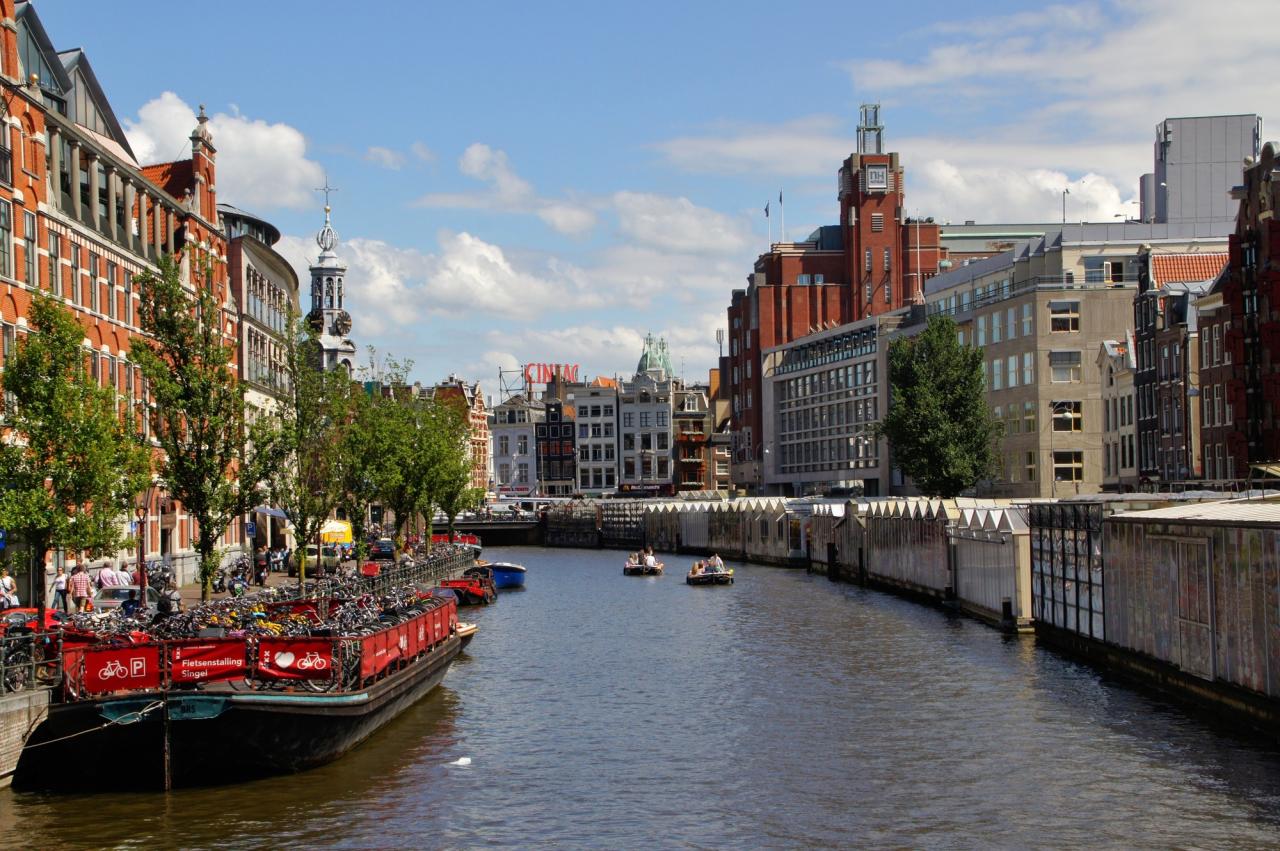
Embracing compact living offers a compelling alternative to sprawling suburban lifestyles. This exploration delves into the world of smaller homes and denser urban environments, examining the advantages and disadvantages, and highlighting the cities that best exemplify this trend. We’ll explore various housing options, social dynamics, environmental impacts, and the future of compact living, painting a comprehensive picture of this increasingly popular lifestyle choice.
From micro-apartments to co-living spaces, we’ll uncover the diverse approaches to compact living and analyze how factors like public transportation, walkability, and job markets contribute to a city’s suitability. The analysis will include a global perspective, showcasing cities that have successfully integrated compact living into their urban fabric, offering valuable insights for those considering this lifestyle shift.
Defining Compact Living
Compact living represents a conscious lifestyle choice prioritizing efficient use of space and resources. It encompasses a range of housing options and associated lifestyle adjustments, all aimed at minimizing environmental impact and maximizing personal well-being within a smaller footprint. This approach extends beyond simply living in a smaller home; it involves mindful consumption, community engagement, and a reevaluation of material possessions.Compact living is not a monolithic concept; its interpretation varies widely depending on individual needs and circumstances.
The core principle, however, remains consistent: maximizing quality of life while minimizing spatial demands. This can involve innovative design solutions, a shift in consumer habits, and a greater emphasis on shared resources and community interaction.
Benefits and Drawbacks of Compact Living
Adopting a compact living lifestyle presents a unique blend of advantages and disadvantages. On the positive side, reduced housing costs are often a significant draw, freeing up financial resources for other priorities like travel, education, or investments. Smaller living spaces generally require less cleaning and maintenance, leading to increased free time. Furthermore, compact living often promotes a more minimalist lifestyle, reducing clutter and fostering a sense of calm.
Environmentally, it contributes to decreased energy consumption and a smaller carbon footprint.However, challenges exist. Limited space can be a source of stress for individuals or families accustomed to larger homes. Privacy can be compromised, especially in shared living arrangements. Storage solutions require careful planning, and finding suitable furniture can be more challenging. Finally, societal perceptions of compact living can be a barrier, with some viewing it as a compromise on comfort or status.
Comparative Analysis of Compact Living Styles
The following table compares different compact living styles, highlighting their respective strengths and weaknesses:
| Compact Living Style | Space Efficiency | Cost (relative) | Social Aspects |
|---|---|---|---|
| Micro-apartments | Very high; optimized layouts maximize functionality in small spaces. | Low to moderate; typically less expensive than larger apartments. | Can be isolating, depending on building amenities and community engagement opportunities. |
| Tiny Houses | High; creative design and multi-functional furniture are essential. | Moderate to high; construction costs can vary significantly. | Often involves a strong sense of self-sufficiency and connection with nature; social interaction depends on location and community. |
| Co-living Spaces | Moderate to high; shared spaces reduce individual needs for large areas. | Moderate; shared costs reduce individual financial burden. | High; built-in social interaction and community are key features. |
| Converted Spaces (e.g., lofts, studios) | Moderate; depends heavily on the original space and renovation efforts. | Variable; can be low-cost if found in less desirable areas or high-cost if renovated in prime locations. | Social aspects depend on the building and neighborhood; can be quite varied. |
Identifying Top Cities for Compact Living
Choosing a city for compact living requires careful consideration of several key factors. The ideal location balances convenient access to amenities, efficient public transportation, and a vibrant cultural scene within a manageable footprint. This section will highlight ten globally recognized cities that exemplify the principles of successful compact living, examining their strengths and weaknesses.
The selection criteria emphasize walkability, robust public transportation networks, high population density facilitating social interaction, a diverse range of employment opportunities, and a rich cultural landscape that enhances quality of life. These elements contribute to a lifestyle that prioritizes convenience, efficiency, and social connection, all hallmarks of successful compact living.
Top Ten Cities for Compact Living
The following list presents ten cities renowned for their suitability for compact living, each offering a unique blend of advantages and challenges. The assessment considers factors such as public transport, walkability, job market diversity, and cultural attractions. A balanced perspective acknowledging both pros and cons is provided for each city.
- Hong Kong: A densely populated city with an extensive and efficient public transportation system, including the MTR subway. Walkability varies significantly by district.
- Pros: Excellent public transport, vibrant culture, diverse job market.
- Cons: High cost of living, limited green spaces, high population density can feel overwhelming.
- Singapore: Known for its meticulous urban planning, Singapore boasts an efficient public transport network and high walkability in many areas.
- Pros: Clean and green, efficient public transport, safe and secure.
- Cons: High cost of living, strict regulations, can feel sterile to some.
- New York City: A global hub with a diverse job market and extensive subway system. Walkability is excellent in many neighborhoods.
- Pros: Unparalleled cultural scene, diverse job market, excellent public transport.
- Cons: Extremely high cost of living, competitive job market, can be noisy and crowded.
- London: A historic city with a well-developed public transport system (Underground, buses) and walkable neighborhoods.
- Pros: Rich history and culture, diverse job market, good public transport.
- Cons: High cost of living, can be crowded, some areas less walkable than others.
- Tokyo: Famous for its efficient and extensive public transport (trains, subways), Tokyo offers a high level of walkability in many areas.
- Pros: Efficient public transport, safe and clean, unique culture.
- Cons: High cost of living, can feel impersonal, limited green spaces in some areas.
- Paris: A beautiful city with a walkable center and a good public transport system (metro, bus).
- Pros: Rich history and culture, walkable city center, charming atmosphere.
- Cons: High cost of living, public transport can be crowded during peak hours, limited job opportunities in some sectors.
- Amsterdam: Known for its canals and bike-friendly infrastructure, Amsterdam offers excellent walkability and a good public transport system.
- Pros: Bike-friendly, walkable, charming canals.
- Cons: High cost of living, can be crowded during peak tourist season, limited job opportunities outside of specific sectors.
- Barcelona: A vibrant city with a good public transport system and many walkable neighborhoods.
- Pros: Beautiful architecture, vibrant culture, good public transport.
- Cons: High cost of living, can be crowded during peak tourist season, some areas less walkable than others.
- Berlin: A city with a growing tech scene and good public transport (U-Bahn, S-Bahn). Walkability is excellent in many central neighborhoods.
- Pros: Relatively affordable compared to other European capitals, vibrant culture, good public transport.
- Cons: Can be spread out, some areas less walkable than others, job market heavily dependent on certain sectors.
- Vancouver: A coastal city with a good public transport system and walkable neighborhoods, particularly in the downtown core.
- Pros: Beautiful natural setting, good public transport, relatively high quality of life.
- Cons: High cost of living, can be rainy, job market concentrated in certain sectors.
Analyzing Housing Options in Selected Cities
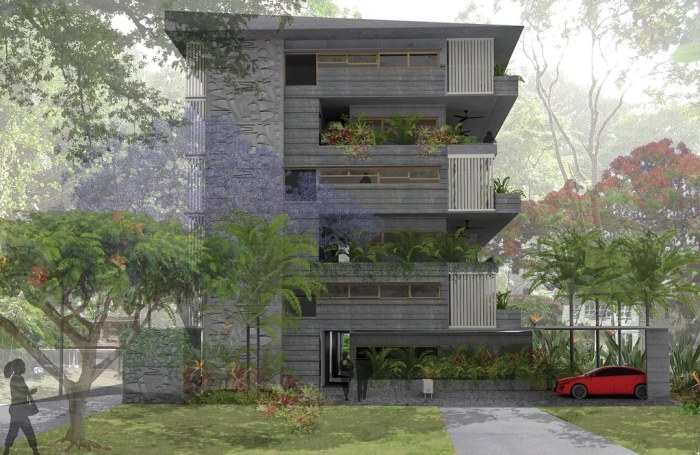
This section delves into the specifics of compact living options across three diverse cities: New York City (NYC), Hong Kong, and Amsterdam. We will examine the variety of housing available, compare average costs, and describe typical layouts and features to provide a comprehensive understanding of the realities of compact living in these global hubs.
Compact Housing Options in New York City, Hong Kong, and Amsterdam
New York City, Hong Kong, and Amsterdam each offer a unique spectrum of compact housing solutions tailored to their respective urban landscapes and demographics. These options cater to a wide range of budgets and lifestyles, highlighting the adaptability of compact living in different contexts. The availability and cost of these options are significantly influenced by location within the city and the overall market conditions.
Comparison of Average Housing Costs
The following table compares the average monthly costs for various compact housing options in our three selected cities. Note that these are averages and can vary significantly based on location, amenities, and condition of the unit. These figures are estimates based on recent market data and should be considered indicative rather than definitive.
| Housing Type | New York City (USD) | Hong Kong (USD) | Amsterdam (USD) |
|---|---|---|---|
| Studio Apartment | 1800-3000 | 1500-2500 | 1200-2000 |
| Shared Apartment (Private Room) | 1200-2000 | 1000-1800 | 800-1500 |
| Converted Space (e.g., Loft) | 2500-4000+ | 2000-3500+ | 1500-2500+ |
Typical Layout and Features of Compact Housing Units
The design and features of compact housing units vary significantly across the three cities, reflecting local architectural styles, building codes, and cultural preferences. While space optimization is a common theme, the specific approaches differ.New York City often features studio apartments with efficient layouts, maximizing space with built-in furniture and clever storage solutions. Many older buildings have been converted into smaller apartments, sometimes resulting in unique architectural details and high ceilings.
Shared apartments are common, particularly among young professionals, offering a balance between affordability and community.Hong Kong’s compact living spaces are known for their highly efficient use of vertical space. “Cage homes” represent an extreme example of compact living, though these are increasingly being replaced with more modern, though still compact, apartments. Many apartments prioritize functionality over spaciousness, often incorporating multi-functional furniture and clever storage solutions.Amsterdam showcases a mix of traditional canal-side houses, often converted into smaller apartments, and modern, purpose-built compact apartments.
These units may feature high ceilings, large windows, and a focus on natural light to compensate for limited square footage. Shared housing is also prevalent, often in the form of “kamer” rentals, which involve renting a private room within a larger house or apartment.
Exploring the Social and Environmental Aspects
Compact living, while offering practical advantages in terms of housing and commute times, also presents significant social and environmental considerations. The density inherent in these urban environments fosters unique community dynamics and has a measurable impact on our planet’s resources. Understanding these aspects is crucial for evaluating the true benefits and challenges of choosing a compact lifestyle.The social fabric of compact living is often characterized by a higher degree of interaction and a stronger sense of community than in sprawling suburban areas.
Proximity to neighbors encourages spontaneous social interactions, fostering a sense of belonging and shared responsibility. However, this density can also lead to challenges, such as noise pollution, limited privacy, and potential conflicts over shared resources. Successfully navigating these potential downsides requires thoughtful urban planning and a commitment from residents to build positive relationships.
Community Dynamics in Dense Urban Environments
High population density in compact living areas can lead to a vibrant social scene. Shared spaces, such as parks, community gardens, and local businesses, become focal points for social interaction. The close proximity of residents facilitates the formation of informal social networks, leading to increased social capital and a stronger sense of community. However, effective management of shared resources and conflict resolution mechanisms are essential to maintain a positive social environment.
Well-designed urban spaces, incorporating features that promote interaction and encourage a sense of ownership, can help mitigate potential downsides of dense living. For example, well-maintained parks with ample seating and community events can foster a sense of shared space and community pride. Conversely, poorly managed public spaces can contribute to feelings of overcrowding and a lack of community cohesion.
Environmental Benefits of Compact Living
Compact living significantly reduces environmental impact compared to sprawling suburban development. Reduced reliance on private vehicles, shorter commutes, and efficient use of land all contribute to a smaller carbon footprint. The concentration of residents in smaller areas allows for more efficient provision of services, such as public transportation and waste management, further minimizing environmental strain. Furthermore, compact living often promotes a more sustainable lifestyle, encouraging walking, cycling, and the use of public transport, leading to a decrease in greenhouse gas emissions.
This shift towards sustainable transportation options contributes to cleaner air and a reduction in traffic congestion.
Comparison of Environmental Impacts of Compact Living Solutions
The environmental impact of compact living varies depending on the specific solutions implemented. Consider these examples:
- High-rise apartments with integrated green spaces: These offer efficient land use and potentially lower carbon emissions per capita due to shared amenities and proximity to public transport. However, the construction process itself can have significant environmental implications, requiring careful material selection and waste management.
- Renovated brownfield sites with mixed-use development: Redeveloping previously used industrial land minimizes further urban sprawl and reduces the environmental impact of new construction. The inclusion of mixed-use developments (combining residential, commercial, and recreational spaces) further reduces transportation needs and promotes walkability.
- Transit-oriented developments (TODs): These developments, centered around public transportation hubs, significantly reduce reliance on private vehicles. This results in lower greenhouse gas emissions and improved air quality. However, the initial investment in robust public transportation infrastructure is crucial for the success and environmental benefits of TODs.
Future Trends in Compact Living
Compact living, already a significant trend in densely populated urban areas, is poised for a dramatic evolution driven by technological advancements and shifting societal priorities. Factors like climate change, resource scarcity, and a growing global population will further accelerate the demand for innovative and sustainable compact housing solutions. We can expect to see a convergence of design, technology, and social considerations shaping the future of how we live in smaller spaces.The next decade will witness significant innovations in compact housing design and technology, enhancing both the functionality and livability of smaller homes.
These advancements will address the common challenges associated with compact living, such as limited storage, lack of natural light, and feelings of confinement. Furthermore, the integration of smart home technology will play a crucial role in optimizing space usage and creating a more comfortable and efficient living environment.
Technological Advancements in Compact Housing
Technological integration will be key to maximizing space and functionality in future compact living spaces. Smart home systems will manage energy consumption, lighting, and climate control, adapting to individual preferences and optimizing resource usage. For example, automated furniture systems, such as beds that fold into walls or tables that expand to accommodate guests, will transform the way we utilize space.
Furthermore, advancements in materials science will lead to the development of lighter, stronger, and more sustainable building materials, allowing for more efficient construction and reduced environmental impact. Consider the example of self-healing concrete, a material that can repair itself, minimizing maintenance and extending the lifespan of buildings. This is already being researched and implemented in pilot projects globally.
Innovative Design Solutions for Compact Spaces
Future compact homes will likely incorporate innovative design features that maximize natural light and ventilation. Designs might include retractable roofs or walls, or the use of light-transmitting materials that can be adjusted to optimize light levels throughout the day. Vertical farming or integrated hydroponic systems within the home could provide fresh produce, addressing concerns about food security and sustainability in urban environments.
Modular design will also become more prevalent, allowing for flexible configurations that can adapt to changing needs and lifestyles. Imagine a compact apartment that can easily be reconfigured to accommodate a growing family or a home office, simply by rearranging or adding modular units. This flexibility and adaptability will be crucial for addressing the diverse needs of modern lifestyles.
A Futuristic Compact Living Space: The “Adaptive Cube”
Imagine the “Adaptive Cube,” a 500 square foot apartment designed for a single occupant or a couple. The space is defined by its adaptability, utilizing modular furniture and smart technology to optimize functionality. Walls are constructed from a self-cleaning, light-transmitting material that adjusts to varying light levels throughout the day, minimizing the need for artificial lighting. A retractable bed system folds seamlessly into the wall during the day, maximizing floor space.
A central core houses integrated appliances, including a compact kitchen with retractable countertops and a vertical hydroponic garden providing fresh herbs and vegetables. The living area features a modular sofa that converts into a guest bed, and smart home technology manages lighting, temperature, and energy consumption based on the occupant’s preferences and routines. The entire unit is designed for maximum efficiency and minimal environmental impact, showcasing the potential of sustainable, high-tech compact living.
Ultimately, the best city for compact living depends on individual priorities and preferences. However, this exploration has revealed a common thread: successful compact living hinges on a city’s ability to provide efficient housing, excellent public transit, vibrant communities, and a strong sense of place. Whether you’re drawn to the energy of a bustling metropolis or the charm of a more intimate urban setting, understanding the factors that contribute to a thriving compact living environment is crucial in making an informed decision.
FAQ Explained
What are the financial benefits of compact living?
Lower rent or mortgage payments, reduced utility costs (heating, cooling, etc.), and less maintenance are common financial advantages.
How does compact living impact my social life?
It can foster a stronger sense of community due to proximity to neighbors and shared amenities. However, it might require more intentional effort to maintain social connections compared to living in a larger space.
Is compact living suitable for families?
While challenging, it is possible. Careful planning and creative space utilization are key. Some cities offer family-friendly compact living options like larger co-living spaces or well-designed multi-family units.
What are the environmental downsides of compact living?
Increased noise pollution and less access to private outdoor space are potential drawbacks. However, these are often offset by the reduced carbon footprint and land consumption.


