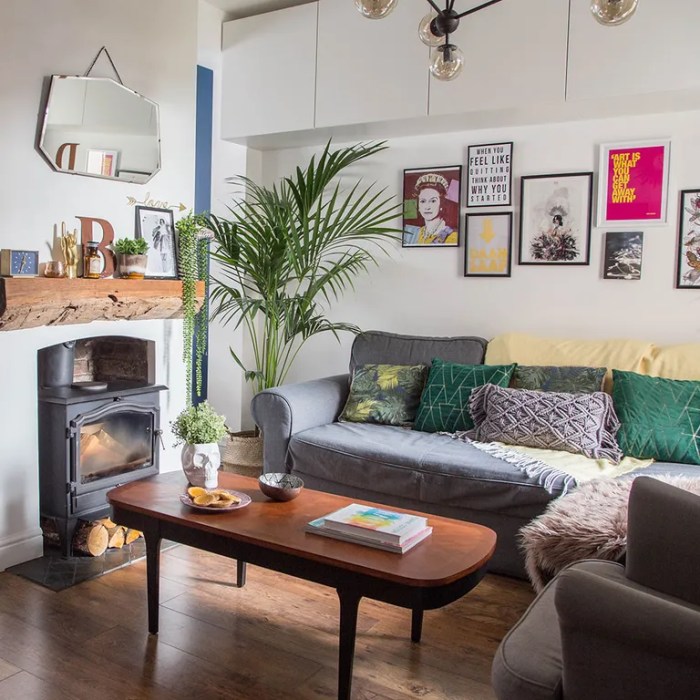
Living in compact spaces presents unique challenges and rewards for families. This exploration delves into practical strategies for optimizing space, fostering strong family bonds, and maintaining a comfortable lifestyle within a smaller footprint. We’ll examine various approaches, from minimalist design to technological solutions, showcasing how families can thrive even in limited square footage.
From innovative storage solutions and multifunctional furniture to mindful decluttering and the strategic use of color and light, this guide offers a comprehensive roadmap to successful compact family living. We’ll also address the financial benefits and environmental considerations associated with this increasingly popular lifestyle choice, ultimately painting a picture of how compact living can enhance, rather than restrict, family life.
Defining Compact Living for Families
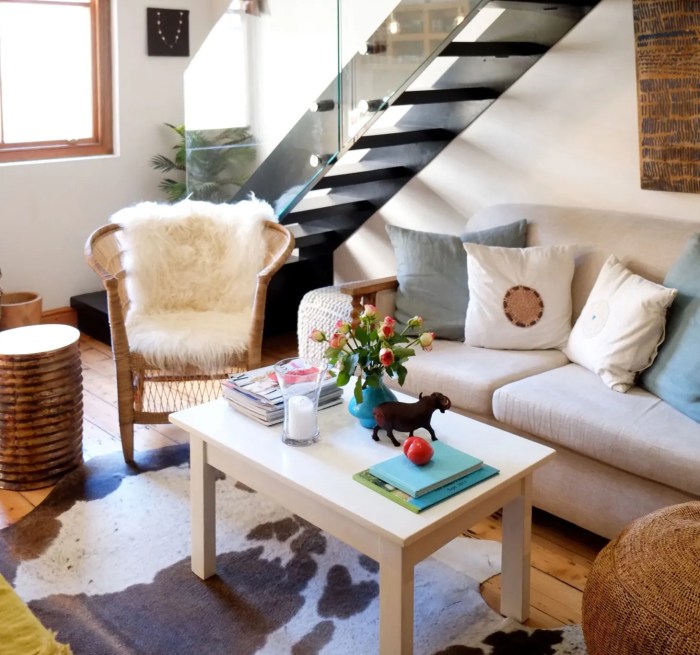
Compact living for families, often characterized by smaller living spaces than traditionally considered ideal, presents a unique set of challenges and opportunities. While it might seem counterintuitive to thrive in a smaller environment with multiple family members, many families successfully navigate the complexities, finding both practical and emotional benefits. This discussion will explore the various aspects of compact living for families, examining its impact and different approaches to successful implementation.Families embracing compact living often face logistical hurdles.
Storage space is at a premium, necessitating creative solutions and a commitment to minimalism. Maintaining a sense of privacy within a smaller space can also be challenging, requiring careful planning and consideration of individual family members’ needs. However, these challenges are often outweighed by the advantages. Compact living can lead to increased family togetherness, fostering stronger bonds through shared experiences in a more intimate setting.
Furthermore, smaller homes often translate to lower utility costs, reduced maintenance, and a smaller environmental footprint, all contributing to significant financial and environmental benefits.
Family Structures in Compact Living
Diverse family structures successfully adapt to compact living. Nuclear families, consisting of parents and children, often find that a well-designed smaller home allows for a more efficient and connected family life. Multi-generational families, where grandparents or other extended family members live with the nuclear family, can also thrive in compact spaces, provided the design incorporates suitable private areas and shared common spaces to facilitate both individual privacy and collective family time.
Single-parent families may find compact living particularly appealing due to the reduced maintenance and associated costs. The success of any family structure in compact living hinges on careful planning, open communication, and a shared commitment to making the most of the available space.
Compact Living Styles
Minimalist living and multi-functional design are two prominent styles often employed in compact family homes. Minimalism emphasizes owning only essential items, reducing clutter and maximizing space. This approach requires a conscious decision to prioritize quality over quantity and to regularly declutter. Multi-functional design incorporates furniture and fixtures that serve multiple purposes. For instance, a sofa bed can serve as both seating and sleeping space, while a coffee table with built-in storage provides both a surface and storage capacity.
A combination of both styles often proves most effective, creating a streamlined and efficient living environment.
Psychological Impact of Compact Living on Family Dynamics
The psychological impact of compact living on family dynamics is complex and multifaceted. While the close proximity can foster stronger family bonds and increased communication, it can also lead to increased conflict if not managed effectively. Effective communication and clear boundaries are crucial to maintaining a positive family dynamic in a compact space. Prioritizing individual time and creating designated personal spaces within the shared environment can help to mitigate potential conflicts and maintain a sense of personal autonomy.
Families that successfully navigate compact living often develop stronger problem-solving skills and a greater capacity for empathy and compromise. The shared experience of adapting to a smaller living space can also strengthen family resilience and create a unique sense of community within the family unit.
Technological Solutions for Compact Living
Smart home technology offers a powerful toolkit for maximizing space and efficiency in compact living environments. By integrating various technological solutions, families can streamline their daily routines, enhance communication, and create a more comfortable and spacious feeling, even within limited square footage. This allows for a more intuitive and responsive living experience, addressing the unique challenges of compact homes.Smart home technology plays a crucial role in optimizing space and resources within a compact home.
It allows for better resource management, reducing waste and maximizing the utility of limited space. This involves intelligent systems that monitor and control energy consumption, water usage, and even waste disposal, leading to both environmental and financial benefits.
Smart Home Technology for Space Optimization
Effective space management is paramount in compact living. Smart storage solutions, such as automated shelving systems or robotic storage units, can optimize the use of vertical space and hidden areas. Sensors can track item usage, providing data to inform decluttering efforts and prevent unnecessary accumulation of belongings. Furthermore, smart lighting systems can create the illusion of more space by strategically illuminating areas, while smart mirrors can visually expand the perceived size of a room.
Imagine a system that automatically adjusts lighting levels based on the time of day and occupancy, maximizing natural light and minimizing the need for artificial lighting.
Technology for Improved Family Communication and Organization
Maintaining a sense of order and facilitating smooth communication is essential in a family living in a compact space. Digital calendars and shared family task management apps allow for efficient scheduling and assignment of chores. Smart speakers can serve as central hubs for communication, allowing family members to leave messages or reminders for each other. Video conferencing capabilities built into smart displays enable easy connection with family and friends, even if physical visits are limited due to space constraints.
For example, a family could use a shared digital calendar to coordinate schedules, ensuring everyone knows who needs which space at what time.
Technology for Creating a Sense of Spaciousness
While technology cannot physically expand the size of a home, it can significantly influence the perception of space. Virtual reality (VR) headsets could provide immersive experiences, effectively transporting family members to different environments. This offers a temporary escape from the confines of a compact home. Furthermore, interactive displays integrated into walls or furniture can subtly blend technology into the environment, reducing visual clutter and maximizing the sense of open space.
Imagine a family using a VR headset to explore a virtual national park, temporarily escaping the limitations of their compact living space. Or a family using a smart projection system to turn a blank wall into a scenic vista, adding a sense of depth and openness.
Examples of Apps and Software Supporting Compact Living Management
Several apps and software solutions directly address the needs of compact living. Home inventory management apps help track belongings, preventing duplicate purchases and facilitating efficient decluttering. Smart home control platforms consolidate management of various smart devices, offering a centralized interface for lighting, temperature, and appliance control. Financial management apps can help track expenses, enabling better budgeting and resource allocation in a potentially cost-sensitive living environment.
Examples include apps like Sortly (inventory management), SmartThings or Home Assistant (smart home control), and Mint or YNAB (budgeting). These applications work together to provide a holistic approach to managing the resources and space within a compact home.
Compact Living
Compact living, while initially perceived as a compromise, offers a compelling lifestyle choice for families, particularly in the context of growing urbanization and environmental concerns. This section delves deeper into the multifaceted aspects of compact living, exploring its environmental impact, social dynamics, and long-term implications.
Environmental Benefits of Compact Living
Choosing a smaller living space significantly reduces a family’s environmental footprint. Smaller homes require fewer resources to build, resulting in decreased carbon emissions during construction. Furthermore, less energy is needed for heating, cooling, and lighting, directly contributing to lower utility bills and a smaller carbon footprint. Reduced consumption of water and other resources also plays a vital role in minimizing environmental impact.
The decreased need for transportation, as smaller homes are often located closer to amenities, further contributes to this positive environmental effect.
Social Implications of Compact Living: Community Building
While some might assume that smaller living spaces lead to social isolation, the opposite can be true. Compact living often encourages stronger community bonds. Residents in smaller homes may find themselves more inclined to utilize shared spaces, such as community gardens or parks, fostering interaction and a sense of belonging. This increased interaction can lead to the development of stronger social networks and a more vibrant community atmosphere.
The shared experience of navigating the challenges and rewards of compact living can also strengthen neighborly relationships.
Long-Term Advantages and Disadvantages of Compact Living for Families
Compact living presents both advantages and disadvantages for families in the long term. Advantages include significant cost savings on housing, utilities, and maintenance. The reduced clutter and simplified lifestyle can lead to reduced stress and increased family time. However, disadvantages include potential space constraints, requiring creative storage solutions and careful consideration of family needs. Privacy might also be a concern, particularly for larger families.
Careful planning and a willingness to adapt are key to successfully navigating the challenges and maximizing the benefits.
A Family Thriving in a Compact Living Environment
Imagine a bright, airy apartment. Sunlight streams through large windows, illuminating a well-organized space. A family of four – two parents and two children – is happily engaged in various activities. The children are engrossed in a creative play area built into a corner, utilizing cleverly designed multi-functional furniture. The parents are working at a fold-down desk integrated into a wall unit, showcasing efficient space utilization.
The living area, though compact, is cozy and inviting, featuring comfortable, space-saving furniture. A vibrant indoor herb garden adds a touch of nature, while clever storage solutions keep everything neatly organized, enhancing the sense of spaciousness. The scene depicts a family not limited by space but rather empowered by its efficient use, highlighting the potential for joy and connection in a compact home.
Ultimately, compact living for families is not about sacrificing comfort or connection; it’s about prioritizing what truly matters and creatively adapting to a lifestyle that prioritizes efficiency, sustainability, and strong family bonds. By embracing innovative design, smart technology, and mindful living practices, families can create thriving and fulfilling homes, regardless of size. The journey to successful compact living is one of resourcefulness, ingenuity, and a renewed appreciation for the things that truly enrich our lives.
Query Resolution
What are the biggest challenges of compact living with a family?
Common challenges include limited storage, maintaining privacy, managing family activities within confined spaces, and potential feelings of claustrophobia. Careful planning and organization are key to mitigating these challenges.
How can I make my compact home feel more spacious?
Employ light, bright colors, maximize natural light, use mirrors strategically to create the illusion of more space, and declutter regularly to avoid visual clutter.
What types of furniture are best for compact living?
Multifunctional furniture (sofa beds, ottomans with storage), wall-mounted shelving, and furniture with built-in storage are ideal for maximizing space.
Is compact living more environmentally friendly?
Yes, smaller homes generally require less energy for heating and cooling, and reduce the environmental impact of construction and material usage.


