Maximizing space in a small apartment can feel like a constant battle, but the right furniture can transform your living space from cramped to comfortable. This exploration delves into the world of space-saving furniture, revealing ingenious designs and practical strategies for creating a functional and aesthetically pleasing home, even within the confines of limited square footage. We’ll examine various furniture types, layout optimization techniques, and budget-friendly options to help you create your ideal apartment.
From Murphy beds that disappear into the wall to ottomans concealing extra storage, the options are diverse and adaptable to various lifestyles and budgets. We’ll guide you through selecting the perfect pieces, arranging them effectively, and maintaining them for long-term use, ultimately showcasing how clever furniture choices can enhance both the functionality and aesthetic appeal of your apartment.
Space-Saving Furniture Categories
Space-saving furniture is designed to maximize functionality within limited square footage, a critical consideration for apartment living. Understanding the different categories and their specific space-saving features allows for informed purchasing decisions, optimizing both comfort and available space. This section will categorize space-saving furniture by functionality and provide examples of each.
Sleeping Solutions
Space-saving designs for sleeping areas often prioritize maximizing vertical space or incorporating multi-functional elements. This category includes furniture that cleverly combines sleeping areas with storage or seating.
| Category | Furniture Type | Material | Space-Saving Feature |
|---|---|---|---|
| Sleeping | Murphy Bed | Wood, Metal | Folds away into a wall unit, freeing up floor space during the day. Often incorporates shelving or a desk. Imagine a sleek, white oak Murphy bed with built-in bookshelves, seamlessly integrating into a minimalist wall unit. |
| Sleeping | Sofa Bed | Fabric, Wood frame, Metal frame | Converts from a sofa to a bed, ideal for guests or small living areas. Picture a stylish grey fabric sofa bed with a comfortable, easily deployable mattress. |
| Sleeping | Trundle Bed | Wood, Metal | A second bed that slides out from under a main bed, perfect for children’s rooms or guest accommodations. Visualize a simple pine trundle bed that neatly stores away underneath a twin-sized bed. |
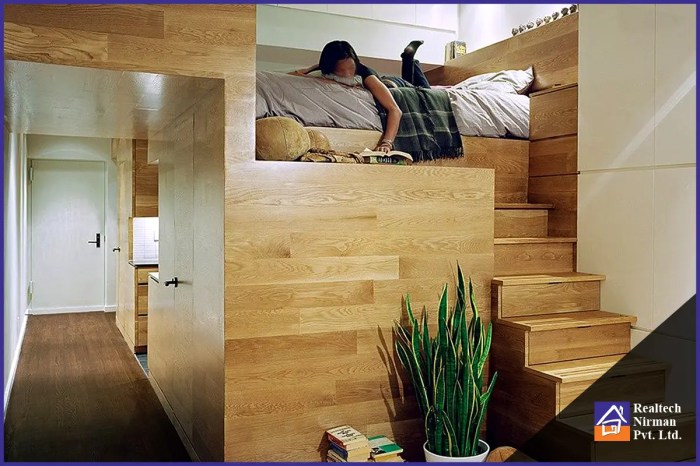
| Sleeping | Loft Bed | Wood, Metal | Raises the bed to create additional floor space underneath, often used for a desk or storage. Envision a sturdy metal loft bed with a built-in desk and shelving unit underneath, ideal for a small student’s room. |
Seating Arrangements
Efficient seating options in smaller spaces focus on compact designs and multi-functional use. These pieces often incorporate storage or transform to accommodate varying needs.
| Category | Furniture Type | Material | Space-Saving Feature |
|---|---|---|---|
| Seating | Folding Chairs | Wood, Metal, Plastic | Easily stored away when not in use, freeing up valuable floor space. Imagine a set of sleek, black metal folding chairs that can be tucked away in a closet. |
| Seating | Ottoman with Storage | Fabric, Wood, Faux Leather | Provides seating and storage in one unit, perfect for storing blankets, pillows, or other items. Picture a plush, grey fabric ottoman with a hinged lid revealing ample storage space. |
| Seating | Wall-Mounted Fold-Down Table | Wood, Metal | Folds down against the wall when not in use, perfect for small dining areas or home offices. Envision a simple, white wood fold-down table that attaches securely to the wall, leaving the space open when not needed. |
| Seating | Modular Sofa | Fabric, Leather | Individual sections can be arranged to fit various spaces and needs, allowing for customization and flexibility. Visualize a modern, grey modular sofa with separate sections that can be configured in different arrangements to suit the space. |
Storage Solutions
Maximizing storage is paramount in small apartments. These designs emphasize vertical space and multi-functional units to accommodate belongings efficiently.
| Category | Furniture Type | Material | Space-Saving Feature |
|---|---|---|---|
| Storage | Vertical Bookcase | Wood, Metal, Plastic | Utilizes vertical space to maximize storage capacity, perfect for books, files, or decorative items. Imagine a tall, slender, white bookcase that reaches almost to the ceiling, maximizing vertical storage. |
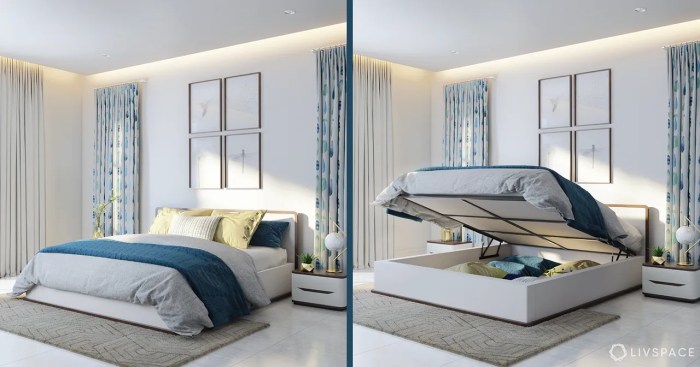
| Storage | Under-Bed Storage Containers | Plastic, Fabric | Provides hidden storage space under the bed, keeping items organized and out of sight. Visualize clear plastic containers that fit neatly under a bed, allowing for easy identification of stored items. |
| Storage | Storage Ottomans | Fabric, Wood, Leather | Combines seating with storage, allowing for convenient storage of blankets, pillows, or other items. Picture a large, square ottoman upholstered in brown leather with hidden storage inside. |
| Storage | Built-in Wardrobes | Wood, Melamine | Custom-designed to maximize space and integrate seamlessly into the room. Imagine a sleek, white melamine built-in wardrobe that spans an entire wall, offering ample storage for clothing and accessories. |
Optimizing Apartment Layout with Space-Saving Furniture
Effective apartment layout is crucial for maximizing space and functionality, especially in smaller living spaces. Space-saving furniture plays a vital role in achieving this, allowing for a comfortable and efficient use of every square foot. Strategic placement and selection of these pieces can transform a cramped apartment into a stylish and functional home.
Arranging space-saving furniture requires careful consideration of the apartment’s layout and the individual’s lifestyle. Different furniture configurations are suitable for various apartment types, such as studios, one-bedroom, and two-bedroom apartments. The goal is to create a flow that promotes ease of movement and access to all areas while maintaining a visually appealing aesthetic.
Space-Saving Furniture Arrangements for Different Apartment Layouts
The following examples illustrate how space-saving furniture can be effectively used in various apartment configurations. These are merely suggestions, and the optimal arrangement will depend on personal preferences and the specific dimensions of the apartment.
Studio Apartment: Imagine a 400 sq ft studio. A Murphy bed tucked away during the day maximizes floor space, leaving room for a sofa bed against one wall that can also serve as additional seating. A small, foldable table can be stored easily when not in use. A vertical storage unit with shelving and drawers replaces bulky wardrobes, keeping clothes and belongings organized and out of sight.
The kitchen area could feature space-saving appliances like a slimline refrigerator and a compact microwave oven. This layout ensures a versatile space that can effortlessly transition from daytime living to nighttime sleeping.
One-Bedroom Apartment: Consider a 600 sq ft one-bedroom apartment. The bedroom could house a platform bed with built-in drawers for storage, eliminating the need for a separate dresser. A corner desk with a fold-down design saves space in a smaller home office setup. In the living room, a modular sofa that can be easily reconfigured to fit different needs and a nesting coffee table set that can be stacked away when needed maximizes space.
A bookshelf that doubles as a room divider adds functionality and visual separation between the living and sleeping areas.
Two-Bedroom Apartment: For an 800 sq ft two-bedroom apartment, consider using convertible furniture in both bedrooms. In one bedroom, a trundle bed provides extra sleeping space for guests while maximizing space for daily use. In the second bedroom, a loft bed with a built-in desk underneath creates a dedicated study area while saving floor space. The living room could feature a sofa with storage underneath and ottomans that double as extra seating and storage.
This arrangement maximizes space and creates distinct functional zones within each room.
Tips for Creating an Illusion of Spaciousness
Beyond furniture choices, several design techniques can enhance the perception of spaciousness in a small apartment. These techniques work in conjunction with space-saving furniture to create a more open and airy environment.
Using light colors on walls and floors reflects light, making the space appear larger. Mirrors strategically placed can create the illusion of depth and expand the visual space. Minimalist décor, avoiding clutter, contributes to a sense of openness. Maximize natural light by keeping windows unobstructed. Choosing furniture with legs allows light to flow underneath, preventing the room from feeling heavy.
Vertical storage solutions utilize wall space, keeping floors clear and maximizing the sense of openness.
Multi-Functional Furniture and its Applications
Multi-functional furniture offers a compelling solution for maximizing space in apartments. By combining the functions of several pieces into one, it significantly reduces clutter and optimizes the available area. This approach allows for a more streamlined and efficient use of space, contributing to a less cramped and more aesthetically pleasing living environment. The versatility of these pieces allows for adaptability to changing needs and lifestyles.Multi-functional furniture pieces are designed to serve multiple purposes, thereby enhancing the functionality of a smaller space.
This approach moves beyond simple space-saving to actively improve the usability of the apartment. Consider a sofa bed, for example; it serves as comfortable seating during the day and transforms into a bed at night, eliminating the need for a separate sleeping area. This exemplifies the core principle of maximizing utility within a limited footprint.
Examples of Multi-Functional Furniture
The following list illustrates the diverse range of multi-functional furniture available, highlighting their primary and secondary functions. Choosing the right pieces depends on individual needs and apartment layout.
- Sofa Bed: Primary function: Seating; Secondary function: Sleeping surface.
- Ottoman with Storage: Primary function: Seating/Footrest; Secondary function: Storage for blankets, pillows, or other items.
- Murphy Bed: Primary function: Sleeping surface; Secondary function: Wall-mounted storage or decorative panel when not in use.
- Storage Bed: Primary function: Sleeping surface; Secondary function: Under-bed storage for clothing, bedding, or seasonal items.
- Coffee Table with Storage: Primary function: Coffee table; Secondary function: Storage for remotes, magazines, or games.
- Lift-Top Coffee Table: Primary function: Coffee table; Secondary function: Dining table or work surface when the top is raised.
- Folding Desk: Primary function: Work surface; Secondary function: Easily folds away when not in use to save space.
- Wall-Mounted Desk: Primary function: Work surface; Secondary function: Folds away against the wall to create more floor space.
- Convertible Chair-Bed: Primary function: Seating; Secondary function: Sleeping surface, often more compact than a sofa bed.
- Modular Shelving Units: Primary function: Storage; Secondary function: Room dividers or decorative elements, adaptable to different spaces and needs.
Advantages and Disadvantages of Multi-Functional Furniture
Investing in multi-functional furniture presents several benefits and drawbacks. Careful consideration of these factors is crucial before making a purchase.
Advantages: Multi-functional furniture significantly saves space, reduces clutter, and enhances the functionality of a small apartment. It offers flexibility and adaptability to changing needs, providing versatile solutions for various activities. The cost-effectiveness of buying fewer pieces can also be a significant advantage. Finally, well-designed multi-functional furniture can add to the overall aesthetic appeal of an apartment.
Disadvantages: Multi-functional furniture can sometimes be more expensive than individual pieces. The functionality might be compromised compared to dedicated items; for instance, a sofa bed might not be as comfortable as a dedicated bed or sofa. Finding the right size and style to match existing décor can also be challenging. Finally, the durability and longevity of some multi-functional pieces may be lower compared to single-purpose items due to the complexity of their mechanisms.
Budgeting and Purchasing Space-Saving Furniture
Acquiring space-saving furniture for a small apartment requires careful planning and budgeting. Understanding the relationship between cost, quality, and long-term value is crucial to making informed purchasing decisions that avoid costly replacements down the line. This section will guide you through creating a budget and finding affordable yet durable furniture options.
Budgeting for Space-Saving Furniture
Creating a realistic budget involves considering several key factors. Firstly, assess your needs. Prioritize essential pieces like a sofa bed, a storage bed, or a convertible dining table, depending on your lifestyle and space constraints. Next, determine your price range for each item, considering material quality and construction. Solid wood tends to be more expensive but more durable than particleboard, while metal frames offer strength and longevity.
Remember to factor in assembly costs if you’re not assembling the furniture yourself. Finally, allocate funds for potential unforeseen expenses like repairs or minor replacements. A contingency of 10-15% of your total budget is a good starting point. This approach ensures you can comfortably accommodate any unexpected issues.
Finding Affordable Space-Saving Furniture
Numerous avenues exist for acquiring affordable space-saving furniture. Online marketplaces like eBay and Craigslist often feature used furniture in good condition at significantly reduced prices. However, thorough inspection is crucial before purchasing to avoid hidden damage or defects. Discount furniture stores and warehouse clubs can offer substantial savings on new furniture, especially during sales or clearance events. Keep an eye out for seasonal promotions and discounts.
Finally, consider renting furniture; services like CORT Furniture Rental provide short-term rental options, perfect for those who frequently move or prefer not to commit to long-term ownership. This flexibility is especially valuable for those unsure of their long-term housing plans.
Sample Budget for Furnishing a Small Apartment
The following is a sample budget for furnishing a 500 sq ft apartment with space-saving furniture. Prices are estimates and may vary depending on location, retailer, and chosen materials. Remember to adjust these figures based on your specific needs and chosen items.
| Category | Item | Estimated Cost |
|---|---|---|
| Sleeping | Murphy bed with integrated storage | $800 – $1500 |
| Living Room | Sofa bed | $500 – $1200 |
| Living Room | Small coffee table with storage | $100 – $300 |
| Dining | Drop-leaf dining table | $200 – $500 |
| Storage | Modular shelving unit | $200 – $400 |
| Storage | Under-bed storage containers | $50 – $100 |
| Total Estimated Cost | $1850 – $3900 |
This budget provides a realistic range, highlighting the potential variability in costs depending on the quality and features of the chosen furniture. Remember that prioritizing essential items and seeking out sales can significantly impact the overall cost.
Long-Term Considerations for Space-Saving Furniture
Investing in space-saving furniture offers immediate benefits for apartment living, but understanding its long-term implications is crucial for making informed decisions. This section explores the maintenance, potential drawbacks, and the process of assembling and disassembling common space-saving furniture pieces. Careful consideration of these factors will contribute to a more satisfying and durable furniture experience.
Maintenance and Care of Space-Saving Furniture
Different materials require different care routines. Metal frames, common in many loft beds and Murphy beds, are generally durable but susceptible to rust if not cleaned regularly and protected from moisture. Wood, often found in foldable tables and chairs, needs periodic polishing and protection from scratches and excessive humidity. Fabric components, such as those in sofa beds or storage ottomans, should be regularly vacuumed and spot-cleaned to prevent staining and wear.
Following the manufacturer’s care instructions is essential for preserving the longevity and aesthetic appeal of your space-saving furniture.
Drawbacks and Limitations of Space-Saving Furniture
While space-saving furniture offers significant advantages, certain limitations exist. Durability can be a concern, especially with frequently used items like sofa beds. The mechanisms for converting these pieces can wear down over time, requiring repairs or replacements. Storage capacity, while often increased through clever design, might be less than traditional furniture. A sofa bed, for example, may offer less comfortable seating than a standard sofa and might have limited under-seat storage.
Additionally, the functionality of some space-saving furniture may come at the cost of comfort or aesthetics. Careful consideration of these trade-offs is essential.
Assembling and Disassembling Space-Saving Furniture
The process of assembling and disassembling space-saving furniture varies greatly depending on the item. However, a general understanding of common procedures can prove beneficial.
Assembling a Murphy Bed
Imagine a Murphy bed, a wall-mounted bed that folds away into a cabinet. Before assembly, carefully read the manufacturer’s instructions. Typically, the process begins with attaching the bed frame to the wall-mounted cabinet using provided brackets and screws. Next, the hinges and support mechanisms are attached, ensuring proper alignment and functionality. Finally, the mattress is placed on the bed frame, completing the assembly.
The detailed steps are usually illustrated in the instruction manual.
Disassembling a Foldable Table
A foldable table, often used as a dining or workspace solution, is usually simpler to disassemble. First, ensure the table is completely closed and locked. Then, depending on the design, there might be a release mechanism – a latch or button – that needs to be activated to unlock the folding mechanism. Once unlocked, gently unfold the table legs, and carefully separate the tabletop from the base, usually by unhinging or unclipping the connection points.
Store the disassembled pieces carefully to avoid damage. Always refer to the specific instructions provided with your foldable table.
In conclusion, embracing space-saving furniture is not merely about fitting more into less; it’s about consciously designing a living environment that reflects your lifestyle and values. By strategically incorporating multi-functional pieces and employing smart layout strategies, you can create a comfortable and stylish apartment that maximizes both space and functionality. The journey to a well-designed compact living space is achievable with careful planning and the right selection of furniture.
Remember, a smaller footprint doesn’t mean compromising on comfort or style.
Helpful Answers
What is the lifespan of space-saving furniture?
Lifespan varies greatly depending on the material and quality. High-quality, well-maintained pieces can last for many years.
Where can I find reviews on space-saving furniture?
Online retailers often feature customer reviews. Websites dedicated to home furnishings and design also provide valuable comparisons and feedback.
How do I clean different types of space-saving furniture?
Cleaning methods depend on the material (wood, fabric, metal). Always refer to the manufacturer’s instructions for specific care recommendations.
Are space-saving furniture pieces difficult to assemble?
Assembly difficulty varies. Some pieces are simple to assemble, while others may require more time and effort. Check product descriptions for assembly instructions and difficulty levels.


