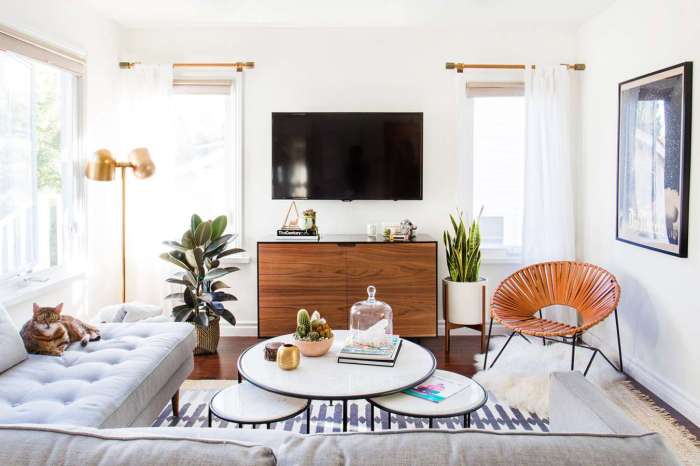
Embracing minimalist compact living signifies a conscious shift towards intentional living, prioritizing functionality and space optimization within smaller dwellings. This approach challenges traditional notions of spaciousness, demonstrating that a fulfilling life isn’t dictated by square footage but by mindful design and curated possessions. We’ll explore the principles, practical strategies, and psychological aspects of this increasingly popular lifestyle choice.
From ingenious space-saving furniture and clever storage solutions to the psychological benefits of decluttering and the environmental advantages of reduced consumption, this exploration delves into the multifaceted world of minimalist compact living. We’ll examine various compact living options, including studio apartments, tiny homes, and container homes, weighing their respective pros and cons to help you determine the best fit for your lifestyle and needs.
Defining Minimalist Compact Living
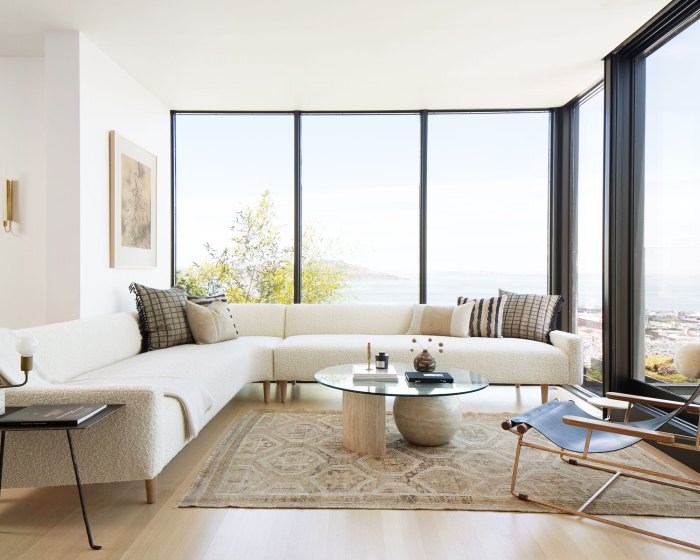
Minimalist compact living represents a lifestyle choice that prioritizes intentional living within a small space. It’s about maximizing functionality and minimizing clutter to create a comfortable and efficient environment, regardless of square footage. This approach goes beyond simply downsizing; it involves a conscious effort to curate possessions and prioritize experiences over material accumulation.The core principles of minimalism, as applied to compact living, focus on functionality, intentionality, and simplicity.
Each item within the space serves a clear purpose, and unnecessary possessions are eliminated. This intentional approach to acquiring and keeping belongings is crucial for maintaining order and reducing stress in a limited space. The emphasis is on quality over quantity; investing in durable, versatile items that can serve multiple functions is preferred over accumulating cheap, disposable goods.
This careful curation of possessions allows for a more peaceful and less cluttered living experience, even within a small footprint.
Comparison of Minimalist Compact Living with Other Living Styles
Minimalist compact living shares similarities with other small-space living styles, such as tiny homes and micro-apartments, but also possesses distinct characteristics. While all three prioritize space efficiency, minimalist compact living places a stronger emphasis on the intentional curation of possessions and a mindful approach to consumption. Tiny homes, for instance, often embrace a more rustic or self-sufficient aesthetic, whereas micro-apartments might focus on maximizing space through clever design and built-in features.
In contrast, minimalist compact living transcends specific aesthetic preferences, focusing primarily on the philosophical principles of intentional living and mindful consumption, regardless of the overall style of the space. A minimalist compact living space might be found within a micro-apartment, a tiny home, or even a standard apartment, demonstrating its adaptability and focus on lifestyle rather than a particular dwelling type.
The key differentiator is the conscious decision to prioritize a life free from clutter and unnecessary possessions, fostering a sense of calm and focus within the chosen living space, regardless of its size.
Space Optimization Techniques for Compact Living
Efficient space utilization is paramount in compact living. Maximizing storage, employing multi-functional furniture, and strategically planning layouts are key to creating a comfortable and functional small space. This section explores several techniques to achieve this.
Floor Plan for a 300 sq ft Apartment
A well-designed floor plan is crucial for a 300 sq ft apartment. The following plan prioritizes open space and maximizes storage using built-in units. Imagine a space with a combined living/dining area, a small but efficient kitchen, and a sleeping area separated by a cleverly designed room divider or curtain. The bathroom is compact but functional. The use of light colors and mirrors helps to visually enlarge the space.
| Furniture | Dimensions (in inches) | Placement | Notes |
|---|---|---|---|
| Sofa Bed | 72 x 36 x 30 | Living Area | Provides seating and sleeping space |
| Coffee Table | 24 x 24 x 18 | Living Area | Multi-functional; can be used for storage |
| Kitchen Island/Counter | 48 x 24 x 36 | Kitchen | Provides extra counter space and storage |
| Murphy Bed | 48 x 75 x 12 (when folded) | Sleeping Area | Folds away during the day to free up space |
Innovative Storage Solutions for Small Spaces
Clever storage solutions are essential for maintaining order and maximizing space in a compact apartment. The following are examples of effective strategies:
These storage solutions offer significant benefits in terms of space saving and organization.
- Vertical Storage Units: Tall, narrow shelves or cabinets reaching the ceiling maximize vertical space, utilizing often-unused areas.
- Under-Bed Storage: Utilizing the space under the bed with drawers or pull-out shelves provides hidden storage for seasonal items or bedding.
- Wall-Mounted Shelves: Floating shelves mounted on walls add storage without taking up floor space, perfect for books, decor, or small appliances.
- Over-the-Door Organizers: These organizers utilize often-wasted door space for storing shoes, toiletries, or cleaning supplies.
- Ottoman Storage: Ottomans with built-in storage provide seating and a place to stash blankets, pillows, or other items.
Benefits of Multi-Functional Furniture in Compact Living
Multi-functional furniture is a game-changer in small spaces, offering significant advantages in terms of space saving and functionality. The versatility of such pieces optimizes the available area without compromising on comfort or practicality.
Examples of such furniture are abundant and contribute significantly to the efficient use of space in smaller homes.
- Sofa Beds: Transform from a comfortable sofa into a bed, saving valuable floor space.
- Storage Ottomans: Offer seating and hidden storage within the ottoman itself.
- Murphy Beds: Fold away into the wall, freeing up floor space during the day.
- Coffee Tables with Storage: Provide a surface for drinks and snacks, as well as storage for remotes, magazines, or other items.
- Fold-Away Desks: Mountable or easily stored desks which fold away when not in use.
Essential Furniture and Appliances for Compact Living
Creating a functional and aesthetically pleasing minimalist compact living space requires careful consideration of furniture and appliances. Prioritizing multi-functional pieces and energy-efficient models is crucial for maximizing both space and resource efficiency. The following sections detail essential items and considerations for successful compact living.
Essential Furniture for Compact Living
Selecting furniture for a compact space necessitates a focus on maximizing functionality while minimizing footprint. Each piece should serve multiple purposes or fold away when not in use.
- Sofa Bed: A sofa bed combines seating and sleeping functionality, ideal for studio apartments or spaces where guests are occasional visitors. Imagine a sleek, modern sofa bed with built-in storage underneath, maximizing space utilization.
- Murphy Bed: A Murphy bed folds completely into a wall unit, freeing up floor space during the day. These beds are available in various styles and can be customized to fit specific needs and aesthetics. Consider a Murphy bed with integrated shelving for added storage.
- Multi-Functional Coffee Table: Opt for a coffee table with drawers, shelves, or a lift-top mechanism to provide additional storage or a workspace. Envision a coffee table with hidden compartments for storing remotes, books, and other small items.
- Modular Shelving: Modular shelving systems allow for customization based on available space and storage needs. These units can be easily rearranged and expanded as required, adapting to changing needs. Picture a wall-mounted modular shelving system with adjustable shelves and different sized compartments.
- Nesting Tables: A set of nesting tables can be easily stored away when not needed, providing flexibility in space management. These tables are particularly useful for small living rooms or as extra surfaces for guests. Imagine a set of three nesting tables, made of light-colored wood, which nest neatly together when not in use.
Energy-Efficient Appliances for Compact Living
Energy-efficient appliances are essential for reducing utility bills and minimizing environmental impact in any home, but especially so in compact spaces where energy consumption per square foot is higher. Choosing appliances with high energy star ratings is crucial.
- Mini-Refrigerator: A mini-refrigerator is ideal for small kitchens, offering sufficient cooling capacity without taking up excessive space. Consider a model with adjustable shelves for optimal organization.
- Compact Dishwasher: Space-saving dishwashers are available, offering efficient cleaning without the large footprint of standard models. Look for models with adjustable racks to accommodate different sized dishes.
- Combination Microwave Oven: A combination microwave oven saves counter space by integrating two appliances into one. Choose a model with multiple cooking functions for versatility.
- Low-Flow Showerhead: A low-flow showerhead conserves water and energy without sacrificing water pressure. Many models offer various spray settings for a customized showering experience.
- Energy-Efficient Washing Machine: Compact, front-loading washing machines are designed for smaller spaces and typically use less water and energy than top-loading models. Look for models with high spin speeds for efficient drying.
Importance of Appropriately Sized Furniture and Appliances
Choosing appropriately sized furniture and appliances is paramount in compact living. Oversized items will overwhelm the space, creating a cramped and cluttered feeling. Conversely, undersized items might not provide sufficient functionality. Careful measurement of available space and consideration of the intended use of each item is essential to achieve a balance between functionality and aesthetics. For instance, a sofa that is too large will leave insufficient room for movement, while one that is too small will be impractical for comfortable seating.
Similarly, a refrigerator that is too small will not provide adequate storage, while one that is too large will consume valuable floor space.
Decluttering and Organization Strategies
Moving into a compact living space necessitates a strategic approach to decluttering and organization. Efficient space management is paramount, requiring a mindful evaluation of possessions and the adoption of smart storage solutions. The process should be approached methodically, focusing on both physical and digital aspects of organization.
A Step-by-Step Decluttering Process
Begin by dividing your belongings into four categories: keep, donate, sell, and discard. This initial sorting allows for a clear assessment of what you truly need and use. Next, focus on each category systematically. For items to keep, immediately find a designated place for them. Donate or sell unwanted items promptly to avoid accumulating clutter again.
Discard items that are broken, beyond repair, or have no practical value. This systematic approach ensures a thorough decluttering process.
Clothing Organization in Small Spaces
Effective clothing organization in a compact space requires maximizing vertical space and utilizing clever storage solutions.
- Utilize vertical space with tall, narrow shelving units or hanging organizers. These maximize storage capacity without taking up excessive floor space.
- Employ space-saving hangers that are slim and designed to prevent clothes from slipping.
- Fold clothes efficiently using the KonMari method or similar techniques to maximize space within drawers. This method emphasizes folding clothes into upright rectangles for easy visibility and access.
- Consider using under-bed storage containers or vacuum-sealed bags for seasonal clothing to free up closet space.
Book Organization in Compact Living
Books can easily take up significant space. Strategic organization is key to managing your collection in a small living area.
- Utilize vertical shelving units that reach the ceiling to maximize storage capacity. These shelves should be narrow and deep enough to accommodate books but not so wide as to overwhelm the space.
- Consider using floating shelves to save floor space while still providing ample book storage. These shelves can be mounted directly to the wall.
- Donate or sell books you no longer read or need to reduce your overall collection. Consider digitizing books you frequently refer to, reducing the physical number of books you own.
- Organize books by genre, author, or color for easy retrieval and a visually appealing display. A consistent organizational system helps maintain order.
Kitchenware Organization in Small Kitchens
Efficient kitchenware organization is crucial in a compact kitchen to maintain functionality and prevent clutter.
- Utilize vertical space with stackable containers, drawer dividers, and multi-tiered organizers. These maximize storage capacity without taking up excessive counter or cabinet space.
- Hang frequently used utensils on a wall-mounted rack to free up drawer space. This also makes them readily accessible.
- Employ space-saving gadgets and appliances that perform multiple functions. This minimizes the number of individual items needed.
- Store items based on frequency of use – frequently used items should be easily accessible.
Benefits of Digital Organization
Digital organization plays a vital role in minimizing physical clutter in compact living.
- Cloud storage services (such as Google Drive, Dropbox, or iCloud) allow for the storage of documents, photos, and other digital files, eliminating the need for physical storage. This frees up valuable space and simplifies organization.
- Digital archiving of important documents (bills, receipts, etc.) eliminates the need for physical filing cabinets. This provides easy access to documents and simplifies organization.
- E-books replace physical books, saving significant space and allowing for a large collection to be accessed easily on a single device.
- Digital calendars and planners help streamline daily tasks and eliminate the need for paper-based planners, reducing clutter and improving organization.
Design and Aesthetics in Compact Living
Creating a visually appealing and spacious-feeling minimalist compact living space requires careful consideration of design and aesthetics. The goal is to maximize the perceived size of the room while maintaining a clean, uncluttered look. This involves strategic use of color, light, and reflective surfaces.The effective use of light and color is paramount in enhancing the feeling of spaciousness within a compact living area.
Light colors reflect light, making a room appear larger, while dark colors absorb light, creating a more enclosed feel. Similarly, the strategic placement of light sources can dramatically alter the perception of space.
Color Palette for Minimalist Compact Living
A visually appealing color palette for a minimalist compact living space should prioritize light, neutral tones as a base. Consider a foundation of soft white or off-white on the walls, which will reflect maximum light. To introduce warmth and visual interest without overwhelming the space, incorporate subtle accents of natural wood tones in furniture and flooring. For example, light oak or bamboo can add texture and a sense of calm.
A muted, desaturated blue or green could be used sparingly as an accent color on textiles like cushions or throws, adding a touch of personality without disrupting the overall minimalist aesthetic. This palette fosters a sense of serenity and spaciousness, characteristic of minimalist design.
The Role of Natural Light and Mirrors
Natural light is invaluable in creating the illusion of a larger space. Maximizing natural light entry through strategically placed sheer curtains or blinds is crucial. Avoid heavy drapes that block light. Mirrors strategically placed on a wall opposite a window or a light source can effectively double the perceived size of the room by reflecting light and creating depth.
A large mirror placed above a chest of drawers, for example, can significantly enhance the feeling of openness. Additionally, the reflective quality of glossy surfaces, such as polished concrete floors or lacquered furniture, can further contribute to this effect.
Compact Living and Sustainability
Minimalist compact living offers significant environmental advantages, primarily through its inherent reduction in resource consumption. By embracing a smaller footprint, individuals directly lessen their impact on the planet, contributing to a more sustainable lifestyle. This approach challenges conventional notions of material abundance and encourages a mindful relationship with resources.The environmental benefits of compact living stem from the reduced need for materials and energy.
Smaller spaces require less construction material, resulting in lower carbon emissions during the building process. Furthermore, reduced living space translates to lower energy consumption for heating, cooling, and lighting. This decreased energy demand reduces reliance on fossil fuels and minimizes greenhouse gas emissions. The overall effect is a significantly smaller ecological footprint compared to larger, more resource-intensive living arrangements.
Eco-Friendly Materials and Sustainable Practices
Choosing eco-friendly materials and implementing sustainable practices are crucial for maximizing the environmental benefits of compact living. Sustainable construction materials, such as reclaimed wood, bamboo, and recycled metal, minimize the environmental impact of building or renovating a compact space. These materials reduce the demand for newly harvested resources and lessen the carbon footprint associated with manufacturing. Furthermore, opting for low-VOC (volatile organic compound) paints and finishes improves indoor air quality and reduces harmful emissions.
Incorporating energy-efficient appliances and lighting further enhances sustainability, minimizing energy consumption and lowering utility bills. The use of natural light and proper insulation also plays a significant role in reducing energy needs.
Waste Minimization and Recycling Strategies
Minimizing waste and maximizing recycling are integral components of sustainable compact living. Effective waste management strategies in a small space necessitate a conscious effort to reduce consumption and reuse items whenever possible. This involves embracing a “reduce, reuse, recycle” philosophy. Composting food scraps, utilizing reusable containers and bags, and repairing items instead of replacing them are simple yet impactful steps.
Efficient storage solutions and a decluttered environment facilitate easy access to recycling bins and compost containers, promoting consistent and convenient waste management. Strategically placed recycling bins within the living space encourage habit formation and simplify the recycling process, making it effortless to sort and dispose of recyclable materials appropriately.
Compact Living: Psychological and Social Aspects
Compact living, while offering practical advantages in terms of space and resource efficiency, presents a unique set of psychological and social considerations. Successfully navigating this lifestyle requires understanding both the potential benefits and challenges it presents, and proactively implementing strategies to mitigate any negative impacts.
Psychological Benefits and Challenges of Compact Living
Living in a smaller space can foster a sense of calm and reduced stress for some individuals. The inherent minimalism often associated with compact living can minimize distractions and promote a feeling of being more grounded. Conversely, the lack of physical space can lead to feelings of confinement, claustrophobia, and even increased irritability, especially if personal space is not carefully managed.
Successfully adapting to compact living often hinges on an individual’s personality and ability to adapt to a more streamlined lifestyle. For example, individuals who thrive in organized, uncluttered environments may find compact living liberating, while those who value expansive space and privacy might find it challenging.
Social Implications of Choosing Compact Living
The choice to live compactly can significantly impact social interactions and lifestyle. Smaller spaces often necessitate more mindful approaches to entertaining guests, potentially leading to a more curated and intimate social life. This isn’t necessarily negative; it can foster deeper connections and more meaningful interactions. However, it may also limit the frequency or scale of social gatherings. For example, hosting large parties might be impractical, while intimate dinners with close friends may become the norm.
The shift in lifestyle can also affect perceptions from others, who might view compact living as a sign of frugality or even deprivation, depending on their own cultural context and values.
Maintaining Personal Space and Privacy in Compact Living
Preserving a sense of personal space and privacy within a compact environment requires careful planning and intentional design. Strategic use of furniture, such as room dividers or cleverly designed storage solutions, can help to create distinct zones within the living space. For instance, a Murphy bed can transform a living area into a bedroom at night, maximizing space utilization while providing a sense of separation.
Utilizing vertical space through shelving and strategically placed plants can also contribute to a sense of visual privacy and spaciousness. Ultimately, maintaining personal space is about consciously designing the environment to accommodate individual needs and preferences.
Ultimately, minimalist compact living offers a compelling alternative to conventional living, emphasizing intentionality, sustainability, and a renewed focus on experiences over material possessions. By strategically optimizing space, embracing multi-functional design, and prioritizing mindful consumption, individuals can create comfortable, aesthetically pleasing, and environmentally responsible homes, regardless of size. The journey towards minimalist compact living is not just about downsizing; it’s about upsizing life’s experiences and enriching personal well-being.
Clarifying Questions
What are the initial costs associated with transitioning to minimalist compact living?
Initial costs vary significantly depending on the chosen living solution (e.g., renovating an existing space vs. building a tiny home). Expect expenses related to furniture, appliances, and potential renovations or construction. However, long-term savings on utilities and reduced consumption can offset initial investments.
How do I deal with guests in a compact living space?
Clever space-saving furniture like sofa beds or Murphy beds can maximize functionality. Consider creating a designated guest area or utilizing a nearby hotel for longer stays. Open communication with guests about space limitations ensures a comfortable visit for everyone.
Can minimalist compact living work for families?
Yes, but it requires careful planning and creative solutions. Prioritize multi-functional furniture and maximize vertical space. Involving family members in the decluttering and organization process is crucial for success.
Is it difficult to maintain privacy in a compact living space?
Maintaining privacy requires intentional design choices. Strategic furniture placement, clever room dividers, and the use of curtains or screens can help delineate different zones within the space. Establishing routines and respecting each other’s personal time is also important.


