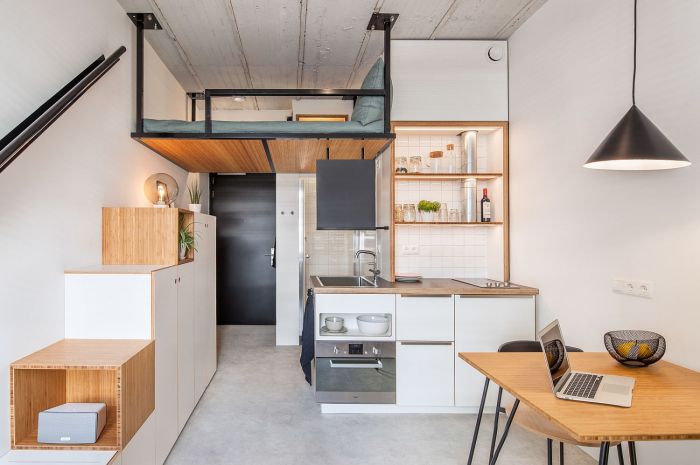
The demand for affordable housing is steadily increasing, particularly in urban centers where space is at a premium. This has led to a surge in interest in compact living apartments – cleverly designed spaces that maximize functionality without sacrificing comfort or style. This guide explores the multifaceted world of affordable compact living, from understanding the criteria for affordability and defining “compact” to exploring design optimization, space-saving strategies, and the financial aspects involved.
We’ll delve into the target audience, ideal amenities, and showcase illustrative examples of successful compact apartment designs.
We will examine various architectural styles suitable for compact living, discuss the lifestyle preferences of those drawn to this type of housing, and provide practical tips for maximizing space and natural light. Financial considerations, including financing options and cost calculations, will also be addressed to provide a comprehensive understanding of the practicalities of affordable compact living.
Defining “Affordable Compact Living Apartments”
Affordable compact living apartments represent a growing trend in urban and suburban areas, driven by factors such as rising housing costs and a desire for sustainable, low-maintenance lifestyles. This type of housing prioritizes efficient space utilization while maintaining a comfortable and functional living environment, all at a price point accessible to a wider range of incomes. Understanding the nuances of “affordable” and “compact” is crucial to defining this housing segment.Defining affordability requires considering the local context.
What is considered affordable in a rural area of the Midwest will differ significantly from a major metropolitan area like New York City or San Francisco. Affordability is typically measured relative to the area’s median income, often using a percentage threshold (e.g., 30% of household income). Government agencies and housing organizations often use these metrics to determine eligibility for affordable housing programs.
Renters may find affordability benchmarks through online resources and local housing authorities.
Affordability Criteria in Different Geographic Locations
The criteria for affordability vary widely depending on location. For example, an apartment renting for $1,000 per month might be considered affordable in a rural area with a lower cost of living, but unaffordable in a high-cost city like San Francisco where the average rent is considerably higher. Similarly, government-subsidized affordable housing programs will have income limits that differ based on location and family size.
These programs often prioritize lower-income households and individuals, providing rent assistance or subsidized housing units. Therefore, understanding the specific cost of living and income levels in a particular area is essential when assessing affordability.
Features Defining “Compact” in Apartment Living
Compact apartments maximize space through thoughtful design and efficient layouts. Key features include: smaller square footage (typically under 700 square feet), multi-functional furniture (e.g., sofa beds, ottomans with storage), built-in storage solutions (e.g., shelving, closets), and open-plan layouts that combine living, dining, and kitchen areas. Appliances are often scaled down to fit the smaller space, and clever design elements, such as Murphy beds or loft beds, are frequently employed.
The overall goal is to create a functional and comfortable living space within a limited footprint.
Architectural Styles Commonly Used for Compact Apartments
Several architectural styles lend themselves well to compact apartment design. Studio apartments, for instance, are inherently compact, often featuring a single, open-plan space that incorporates all living functions. Smaller-scale versions of traditional apartment styles, such as minimalist designs, which emphasize clean lines and efficient space utilization, are also common. Modern and contemporary styles often incorporate built-in storage and clever space-saving features.
Loft apartments, while sometimes larger overall, often utilize mezzanine levels or elevated sleeping areas to maximize floor space and create distinct zones within a limited area. The choice of architectural style often reflects the overall design philosophy and target market.
Target Audience for Compact Living
Affordable compact living apartments cater to a diverse yet specific demographic, primarily driven by economic realities and evolving lifestyle preferences. These apartments offer a practical and often cost-effective solution for individuals and families navigating the challenges of today’s housing market. Understanding this target audience is crucial for developers and property managers to effectively market and manage these units.The primary demographic for affordable compact living apartments consists of young professionals, students, and downsizers.
This group shares certain commonalities in their financial situations and lifestyle choices, although their specific needs and priorities may vary.
Demographic Breakdown
This target audience is not monolithic. It encompasses several distinct groups, each with unique characteristics. Young professionals, particularly those starting their careers, often find compact living a financially viable option, allowing them to live in desirable urban areas without sacrificing their lifestyle. Students, especially those attending universities or colleges in densely populated areas, often prioritize affordability and proximity to campus.
Downsizers, usually older individuals or couples, may opt for compact living to reduce maintenance responsibilities and simplify their lives, often relocating to more central locations with better access to amenities. Finally, there is a growing segment of single individuals who prioritize convenience and affordability over spaciousness.
Lifestyle Preferences of Compact Living Residents
Residents of affordable compact living apartments generally value convenience and accessibility. They prioritize location over square footage, often choosing to live in walkable neighborhoods with easy access to public transportation, shops, restaurants, and entertainment venues. Their lifestyle is often characterized by a focus on experiences and social interactions rather than material possessions. Many embrace minimalism and a streamlined approach to living, finding fulfillment in activities and social connections rather than accumulating large amounts of belongings.
This demographic often utilizes shared spaces and services, such as co-working spaces or community gardens, to maximize their lifestyle within a smaller footprint.
Apartment Feature and Amenity Priorities
Given their lifestyle and financial considerations, this target audience places a premium on certain apartment features and amenities. High-speed internet access is almost universally essential, reflecting the importance of remote work and online connectivity. Modern, well-designed kitchens and bathrooms are highly valued, even within a compact space, demonstrating a desire for functionality and efficiency. Energy-efficient appliances and sustainable building features are also increasingly important, aligning with environmentally conscious values.
While on-site amenities like fitness centers or laundry facilities are appreciated, they are often secondary to the overall affordability and convenience of the location and unit design. Security features, such as secure entry systems and well-lit common areas, are also considered crucial, ensuring a safe and comfortable living environment.
Compact Living
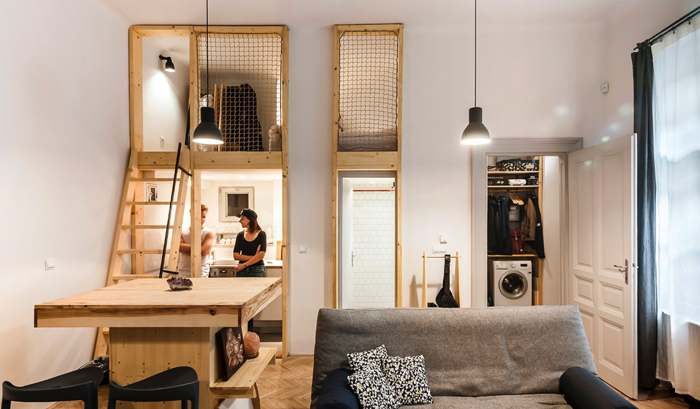
Compact living offers a stylish and sustainable approach to urban dwelling, maximizing functionality within a smaller footprint. This necessitates creative strategies for space optimization and the clever use of design elements to enhance the overall living experience. Efficient use of space is key, and innovative solutions can transform a small apartment into a comfortable and aesthetically pleasing home.
Innovative Storage Solutions for Compact Apartments
Clever storage is paramount in compact living. Maximizing vertical space and utilizing often-overlooked areas are crucial. Instead of bulky wardrobes, consider built-in shelving units that stretch from floor to ceiling, maximizing storage capacity while maintaining a clean aesthetic. Under-bed storage drawers can significantly increase storage space for seasonal items or bedding. Utilize the space above doorways for additional shelving, perfect for storing books or decorative items.
Multi-functional furniture, such as ottomans with built-in storage or coffee tables with hidden compartments, also contribute to efficient space management. Wall-mounted fold-down desks or tables are ideal for smaller spaces, providing a workspace when needed and easily folding away when not in use.
Maximizing Natural Light in Small Spaces
Natural light is essential for creating a bright and airy atmosphere in a compact apartment. Strategic window treatments are key. Instead of heavy curtains that block light, opt for sheer curtains or blinds that allow light to filter through while still offering privacy. Mirrors strategically placed opposite windows can reflect light deeper into the room, effectively doubling its impact.
Light-colored walls and floors reflect light more effectively than dark colors, creating a brighter and more spacious feel. Avoid placing large furniture pieces directly in front of windows, which can obstruct light. Consider using glass or clear acrylic furniture to allow light to pass through, minimizing visual clutter.
Creating the Illusion of Spaciousness Using Color and Decor
Color plays a significant role in creating the illusion of spaciousness. Light and neutral colors, such as whites, creams, and pastels, make a room feel larger and more open. Using a single color palette throughout the apartment creates a sense of continuity and flow, preventing the space from feeling fragmented. Avoid using too many bold or dark colors, which can make a small space feel cramped and overwhelming.
Minimalist décor is crucial. Avoid overcrowding the space with too many furniture pieces or decorative items. Instead, focus on a few key pieces that are both functional and aesthetically pleasing. Large artwork or mirrors can create a focal point and draw the eye upwards, making the ceiling appear higher. Keeping the floor relatively uncluttered also contributes to a sense of spaciousness.
Amenities and Community Features
Attracting and retaining residents in affordable compact living apartments requires a thoughtful approach to amenities and community features. While space is limited, carefully selected amenities can significantly enhance the resident experience and contribute to a strong sense of community. The key lies in balancing practical necessities with features that foster a positive living environment.The importance of various amenities and community features varies greatly depending on the target demographic and the specific location of the apartment complex.
For example, a complex near public transportation may place less emphasis on on-site parking than one in a more suburban setting. Similarly, a young professional population may prioritize high-speed internet and co-working spaces, while families might value playgrounds and community gardens.
Desirable Amenities for Affordable Compact Living
Prioritizing amenities for affordable compact living requires a focus on practicality and value. Residents in this segment are likely seeking cost-effective solutions that enhance their quality of life without unnecessary extravagance. Therefore, amenities should be functional, well-maintained, and easily accessible.
- High-speed internet: Essential for work, education, and entertainment in today’s digital age. Reliable and affordable internet access is a key selling point.
- In-unit laundry: Reduces the need for shared laundry facilities, improving convenience and privacy.
- Efficient and energy-saving appliances: Reduces utility costs, a significant concern for budget-conscious renters.
- Secure building access and adequate lighting: Prioritizes resident safety and security.
- Bike storage: Promotes sustainable transportation and caters to environmentally conscious residents.
Comparison of Community Features
While individual amenities are important, community features play a crucial role in building a thriving residential environment. A strong sense of community can significantly improve resident satisfaction and retention. The following table compares the relative importance of several key community features:
| Community Feature | Importance (High/Medium/Low) | Rationale |
|---|---|---|
| Community Room/Lounge | Medium | Provides a space for socializing and community events, but not essential for all residents. |
| Fitness Center | Medium | Can be a valuable amenity, but its importance depends on the presence of nearby gyms and the residents’ fitness preferences. |
| Outdoor Space (e.g., courtyard, rooftop deck) | High | Provides a vital escape from compact living spaces, offering fresh air and relaxation opportunities. |
| Package Receiving/Storage | High | Essential for secure and convenient delivery management, especially in urban areas. |
| Pet-Friendly Policies | Medium | Attracts pet owners but requires careful consideration of potential noise and cleanliness issues. |
Essential Amenities Ranked by Priority
Considering the needs and budget constraints of the target market, the following prioritization of essential amenities is proposed:
- High-speed internet: Fundamental for modern living and work.
- In-unit laundry: Provides convenience and privacy.
- Secure building access and adequate lighting: Ensures resident safety and security.
- Efficient and energy-saving appliances: Reduces utility costs.
- Outdoor space (courtyard or similar): Offers respite and a sense of community.
Financial Aspects of Affordable Compact Living
Affordability in compact living hinges on a delicate balance between rent or mortgage payments, associated costs, and the individual’s financial capacity. Understanding the various factors influencing these costs and exploring available financing options are crucial for prospective renters and buyers. This section delves into the financial considerations of choosing compact living, providing practical tools and insights to help make informed decisions.Factors Influencing Affordability of Compact ApartmentsSeveral key factors significantly impact the affordability of compact apartments.
Location plays a crucial role, with apartments in high-demand urban areas commanding higher prices than those in less central locations. The size of the apartment is another obvious factor; smaller units generally translate to lower rent or purchase prices. Building amenities also contribute to the overall cost, with features like in-unit laundry, parking, and fitness centers often increasing monthly expenses.
Finally, the condition and age of the building can affect affordability; newer buildings with modern features tend to be more expensive.
Financing Options for Compact Living
Securing financing for compact living depends on whether one is renting or buying. Renters typically require a security deposit and may face additional fees, while buyers navigate mortgage applications, down payments, and closing costs. Let’s explore these options.
- Renters: Renters typically need a security deposit (often one or two months’ rent) and may encounter application fees and pet fees (if applicable). They also need to factor in monthly utility costs (electricity, gas, water, internet). For example, a monthly rent of $1200 with a $1200 security deposit and a $50 application fee results in initial costs of $2450.
Ongoing monthly costs include rent and utilities, which vary greatly depending on location and lifestyle.
- Buyers: Buyers will need to secure a mortgage, requiring a credit check and a down payment (typically 3-20% of the purchase price). They will also face closing costs, including appraisal fees, title insurance, and loan origination fees. For instance, a $200,000 apartment with a 5% down payment ($10,000) and $5,000 in closing costs necessitates a significant upfront investment.
Monthly mortgage payments will depend on the interest rate, loan term, and loan amount.
Calculating Total Cost of Living in a Compact Apartment
Accurately calculating the total cost of living in a compact apartment involves adding up all recurring expenses. This includes not only rent or mortgage payments but also utilities, groceries, transportation, entertainment, and any other personal expenses. A realistic budget is essential to ensure long-term financial stability.
Total Cost = Rent/Mortgage + Utilities + Groceries + Transportation + Entertainment + Other Expenses
For example, consider a person renting a $1200/month apartment with $200/month utilities, $400/month groceries, $150/month transportation, $100/month entertainment, and $150/month for other expenses. Their total monthly cost would be $2200. This calculation provides a clear picture of monthly financial commitments, aiding in responsible financial planning.
Illustrative Examples of Compact Apartment Designs
Compact living doesn’t mean sacrificing style or functionality. These three apartment designs showcase how thoughtful planning and clever design can create comfortable and efficient spaces, appealing to different lifestyles and budgets. Each design prioritizes maximizing space utilization while maintaining a sense of openness and aesthetic appeal.
The Studio Loft: Maximizing Vertical Space
This design targets young professionals or single individuals seeking a stylish and functional urban living space. The apartment features high ceilings, allowing for a loft-style sleeping area accessed via a sleek, modern staircase. The main living area seamlessly integrates the kitchen, dining, and living room, creating an open and airy feel. Imagine warm, natural light streaming through large windows, illuminating light oak flooring and whitewashed brick walls.
The overall aesthetic is minimalist and contemporary, with clean lines and a neutral color palette accented by pops of color from carefully chosen artwork and textiles. The use of light-colored wood and metallic accents creates a sense of spaciousness, while built-in storage solutions cleverly conceal clutter.
The Efficient One-Bedroom: Optimized for Functionality
Designed for couples or individuals who value both privacy and efficient use of space, this one-bedroom apartment prioritizes functionality. Imagine a space where the bedroom is tucked away, providing a quiet sanctuary, while the open-plan living area incorporates a well-designed kitchen with integrated appliances and a comfortable living space. The color palette leans towards calming neutrals, with soft grays and muted blues creating a tranquil atmosphere.
Recessed lighting ensures even illumination, while strategically placed mirrors enhance the feeling of spaciousness. The use of durable, low-maintenance materials like laminate flooring and easy-to-clean countertops makes this apartment both practical and stylish.
The Multi-functional Micro-Apartment: Space-Saving Solutions
This design caters to budget-conscious individuals or students seeking affordable and practical living. The space is incredibly efficient, incorporating clever space-saving features like a Murphy bed that folds away into the wall during the day, transforming the space into a living area. The kitchen is compact but well-equipped, featuring built-in appliances and cleverly designed storage solutions. Think a bright and cheerful space with vibrant accent walls, perhaps a sunny yellow or a calming teal, against a backdrop of neutral tones.
The use of mirrored surfaces and strategic lighting creates an illusion of greater space. Materials are chosen for their durability and affordability, with a focus on practicality and easy maintenance.
Ultimately, affordable compact living apartments offer a viable and increasingly popular solution to the housing needs of a diverse population. By understanding the key design principles, space optimization techniques, and financial considerations, individuals can make informed decisions about embracing this efficient and stylish way of life. The focus on functionality, clever design, and community features makes compact living not just affordable, but also attractive and sustainable.
Careful planning and consideration of the factors discussed here can lead to a comfortable and fulfilling living experience, even within a smaller footprint.
Quick FAQs
What are the typical square footage ranges for compact apartments?
Compact apartments generally range from 300 to 700 square feet, though the exact definition can vary by location.
How can I find affordable compact apartments in my area?
Utilize online real estate portals, contact local property management companies, and explore community housing initiatives.
Are compact apartments suitable for families?
While space is limited, careful planning and multi-functional furniture can make compact apartments suitable for smaller families. However, larger families may find them less practical.
What are the potential drawbacks of compact living?
Limited storage space and a lack of privacy are potential drawbacks. Careful planning and organization are essential.


