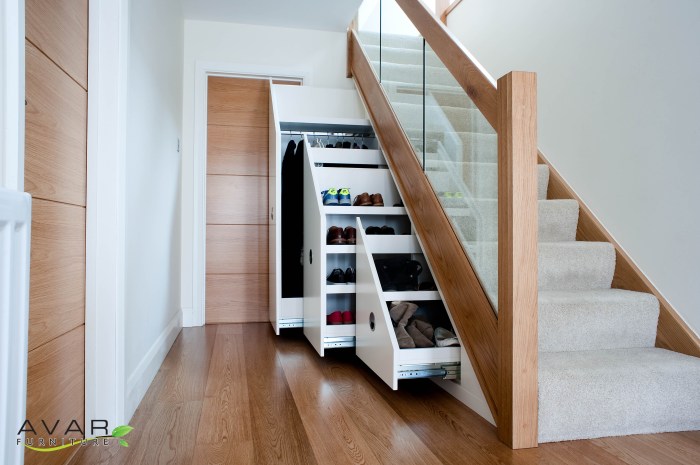
Living in a compact space presents unique challenges, but also exciting opportunities for creativity and efficiency. The art of maximizing limited square footage hinges on smart storage solutions. This exploration delves into innovative strategies and practical ideas for transforming small apartments, studios, and tiny homes into comfortable, functional, and stylish living environments. We’ll examine space-saving furniture, clever storage techniques, and design principles to help you conquer clutter and embrace the joys of compact living.
From understanding the principles of space optimization to selecting appropriate materials and implementing effective organizational techniques, this guide provides a comprehensive roadmap for creating a well-organized and aesthetically pleasing compact living space. We’ll explore both readily available solutions and DIY projects, ensuring there’s something for every budget and skill level. Ultimately, this guide aims to empower you to create a home that is not only small but also exceptionally functional and inviting.
Space Optimization Techniques
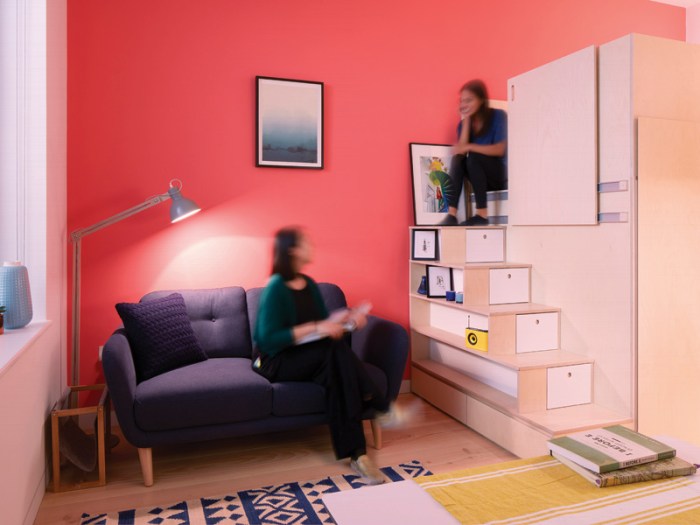
Maximizing space in compact living requires a strategic approach to furniture selection and storage solutions. Clever design and thoughtful planning can transform a small space into a functional and comfortable home. This section explores various techniques and options for optimizing space in smaller living areas.Space-saving furniture options are crucial for compact living. These pieces are designed to perform multiple functions or fold away when not in use, maximizing usable floor space.
Space-Saving Furniture Options
Many furniture pieces are specifically designed to minimize their footprint while maximizing storage and functionality. For example, ottomans with built-in storage provide extra seating and hidden storage for blankets or games. Murphy beds fold away into the wall, freeing up space during the day. Sofa beds combine seating and sleeping areas in one piece of furniture. Modular furniture, such as sectional sofas or shelving units that can be reconfigured, allows for adaptable layouts to suit changing needs.
Consider nesting tables that can be stored inside one another to save space when not all are needed. These are just a few examples of the diverse options available.
Innovative Storage Solutions for Small Spaces
Beyond furniture, innovative storage solutions play a key role in compact living. Vertical storage units maximize unused wall space, and under-bed storage containers make use of the often-forgotten space beneath beds. Slimline shelving units fit into narrow spaces, and over-the-door organizers provide additional storage without taking up floor space. Utilizing drawer dividers and other organizational tools within existing storage keeps things tidy and maximizes capacity.
Consider using stackable containers for items such as clothes or linens, further increasing storage density. Wall-mounted shelves can also dramatically increase storage, especially in kitchens and bathrooms.
Vertical Space Utilization in Compact Living
Vertical space is often underutilized in small spaces. However, utilizing this space effectively can dramatically increase storage capacity. Tall bookcases, ceiling-high shelving units, and lofted beds are all examples of furniture that takes advantage of vertical space. Even simple additions like installing floating shelves can create significant extra storage without sacrificing floor space. The key is to think upwards and to use the full height of the walls.
This is particularly effective in studios or one-bedroom apartments.
Maximizing Storage Capacity: A Comparison of Methods
Several methods exist for maximizing storage capacity in a small area, each with its own advantages and disadvantages. Built-in storage offers custom solutions, maximizing space efficiency but often involves higher initial costs and less flexibility. Modular storage systems are versatile and adaptable, allowing for reconfiguration as needs change, but may not be as space-efficient as built-in options. Utilizing multifunctional furniture, as described above, offers a balance of functionality and space-saving, but careful selection is essential to ensure it fits both the space and lifestyle needs.
The best approach depends on individual needs, budget, and the specific characteristics of the living space.
Multi-Functional Furniture for Compact Living
The following table lists several examples of multi-functional furniture items commonly used in compact living spaces:
| Item | Function 1 | Function 2 | Function 3 (if applicable) |
|---|---|---|---|
| Murphy Bed | Bed | Wall-mounted storage | Sofa (some models) |
| Storage Ottoman | Seating | Storage for blankets/items | Coffee table (some models) |
| Sofa Bed | Sofa | Bed | N/A |
| Lift-Top Coffee Table | Coffee Table | Dining Table | Extra storage (some models) |
Storage Solutions Categorization
Effective storage is paramount in compact living, maximizing space and minimizing clutter. Categorizing storage solutions allows for a targeted approach, ensuring the right solution is applied to the right storage need. This categorization will explore various options, highlighting their strengths and weaknesses, and offering practical examples.
Under-Bed Storage Solutions
Under-bed storage offers a significant, often overlooked, opportunity to increase storage capacity in compact spaces. This area can accommodate a surprising amount of items, from seasonal clothing to extra bedding. However, accessibility can be a concern, requiring more effort to retrieve items compared to readily accessible storage.
Advantages include maximizing unused space and keeping items out of sight. Disadvantages include limited accessibility and the potential for items to become compressed or damaged if not properly stored in containers.
Examples include rolling storage bins, under-bed drawers, and vacuum-sealed bags for clothing. Utilizing shallow, easily accessible bins at the front and deeper bins at the back allows for efficient organization.
Wall-Mounted Shelving and Storage
Wall-mounted shelving and storage units are versatile and visually appealing solutions for compact spaces. They offer a clean aesthetic while maximizing vertical space. However, careful consideration of weight capacity and wall type is crucial. Improper installation can lead to safety hazards.
Advantages include maximizing vertical space and creating a visually appealing storage solution. Disadvantages include weight limitations, potential damage to walls if not properly installed, and limited storage depth for some items.
Examples include floating shelves for books and decorative items, wall-mounted cabinets for kitchenware, and slim vertical storage units for shoes.
Built-in Closets and Storage Solutions
Built-in closets and storage solutions are ideal for maximizing space in a compact home, offering customized storage tailored to specific needs. However, they represent a more significant upfront investment and are not as easily adaptable as other solutions.
Advantages include customized design and maximum space utilization. Disadvantages include higher initial cost and limited adaptability to changing needs. They are also less mobile than other solutions.
Examples include custom-designed closet systems with drawers, shelves, and hanging rods; built-in wardrobes that utilize every inch of space; and built-in pantry units that maximize kitchen storage.
Utilizing Hidden Storage Spaces
Many compact homes feature hidden storage spaces that can be cleverly utilized to maximize storage capacity. These spaces often go unnoticed, yet they offer significant potential for increasing storage. Identifying and utilizing these areas can significantly improve the functionality of a compact living space.
Examples include utilizing the space behind headboards, inside window seats, or under staircases. For instance, a shallow drawer built into a window seat can store blankets or books, while the space behind a headboard can accommodate extra pillows or linens.
Materials and Design Considerations
Choosing the right materials and employing thoughtful design principles are crucial for creating compact living storage solutions that are both functional and aesthetically pleasing. The materials selected directly impact the storage unit’s durability, sustainability, and overall aesthetic appeal, while the design dictates how efficiently space is utilized and how seamlessly the unit integrates into the living environment.The selection of appropriate materials significantly influences the longevity and functionality of compact living storage solutions.
Durability is paramount, especially in high-traffic areas or for frequently accessed items. Consideration must also be given to the weight capacity of the materials, ensuring they can support the intended contents without warping or breaking. Furthermore, the material’s resistance to moisture, scratches, and stains is essential for maintaining the unit’s appearance and structural integrity over time.
Sustainable and Eco-Friendly Materials
Sustainable and eco-friendly materials are increasingly important in the creation of compact living storage. Bamboo, a rapidly renewable resource, offers exceptional strength and durability while boasting a lower carbon footprint than many hardwoods. Reclaimed wood, sourced from deconstructed buildings or salvaged timber, provides a unique aesthetic and minimizes environmental impact. Recycled metals, such as steel or aluminum, are also excellent choices, offering robustness and recyclability at the end of the unit’s lifespan.
Finally, sustainably harvested cork offers a lightweight, naturally insulating, and aesthetically pleasing option. These materials contribute to a smaller environmental footprint and align with environmentally conscious consumer preferences.
Design Principles for Enhanced Functionality and Aesthetics
Effective design principles are vital for maximizing functionality and aesthetic appeal in compact living storage. Modular designs allow for customization and adaptability to changing needs and space constraints. Multi-functional units, incorporating features like built-in seating or hidden compartments, optimize space utilization. Clever use of vertical space, through tall units and shelving, prevents floor space from being unnecessarily consumed.
Clean lines and minimalist aesthetics contribute to a sense of spaciousness, while thoughtful integration of color and texture enhances visual appeal. Consideration of ergonomic principles, such as easily accessible drawers and shelves, ensures ease of use.
Visual Description of a Stylish and Functional Compact Living Storage Unit
Imagine a sleek, wall-mounted storage unit crafted from light-colored bamboo. The unit is approximately 6 feet tall and 3 feet wide, featuring three spacious drawers at the bottom, constructed from sustainably sourced reclaimed wood with smooth, brushed metal handles. Above the drawers, three adjustable shelves made from clear, tempered glass provide visual lightness and allow for the display of decorative items.
The unit is finished with a natural, matte varnish, highlighting the beautiful grain of the bamboo and the reclaimed wood. The clean lines and minimalist design contribute to a feeling of spaciousness, while the natural materials create a warm and inviting atmosphere. The adjustable shelves offer versatile storage options, while the drawers provide concealed storage for less visually appealing items.
The overall design is both functional and aesthetically pleasing, seamlessly integrating into a variety of interior styles.
Budgeting and Accessibility
Creating a compact and functional living space doesn’t necessitate breaking the bank. Careful planning and resourceful approaches can yield significant savings while maintaining both style and practicality. This section explores strategies for budget-conscious storage solutions, resources for customized options, and considerations for accessibility.Finding affordable compact living storage solutions requires a multi-pronged approach. Prioritizing needs over wants, exploring second-hand options, and utilizing DIY techniques are key strategies.
Smart shopping, comparing prices across different retailers, and taking advantage of seasonal sales can also lead to significant cost savings. Furthermore, repurposing existing items within the home can offer creative and cost-effective storage solutions.
Affordable Storage Solution Strategies
Several effective strategies contribute to finding affordable storage solutions. Firstly, a thorough assessment of storage needs helps prioritize essential items, minimizing unnecessary purchases. Secondly, exploring second-hand markets, such as thrift stores, online marketplaces, and garage sales, can unearth surprisingly affordable and often high-quality storage options. Thirdly, DIY projects using readily available materials offer significant cost savings and the opportunity for customized solutions tailored to specific needs.
Finally, comparing prices across different retailers and taking advantage of seasonal sales ensures that you are obtaining the best possible value for your money.
Resources and Services for Customized Storage Solutions
Numerous resources and services cater to the creation of customized storage solutions. Local carpenters and handymen can build bespoke storage units according to individual specifications and budget constraints. Online platforms and communities dedicated to DIY and home improvement offer valuable advice, tutorials, and inspiration for personalized projects. Furthermore, some furniture retailers offer custom design and assembly services, allowing for tailored storage solutions that seamlessly integrate into existing spaces.
Finally, professional organizers can provide valuable insights into space optimization and suggest creative storage solutions that maximize functionality and minimize clutter.
Accessibility Considerations for Compact Living Storage
Designing compact living spaces with accessibility in mind is crucial for individuals with disabilities. Storage solutions should be easily reachable and maneuverable, considering factors such as height, weight, and ease of opening and closing mechanisms. For example, pull-out drawers are preferable to high shelves for individuals with mobility limitations. Adjustable shelving allows for customization to suit individual needs and preferences.
Consider incorporating assistive technologies, such as automated storage systems, to enhance accessibility. Furthermore, the use of contrasting colors and tactile markings can improve visibility and ease of use for individuals with visual impairments.
DIY Compact Storage Solutions
Creating DIY compact storage solutions offers a cost-effective and customizable approach. Repurposing old crates, baskets, and jars into storage containers is a simple and inexpensive option. Building simple shelves using readily available materials like lumber and brackets is another readily achievable project. Converting unused spaces, such as under-bed areas or wall niches, into storage areas using readily available materials is a straightforward solution.
For example, inexpensive fabric bins can be used to store items under beds, while simple shelves can be constructed to maximize wall space. These simple projects require minimal tools and skills, making them accessible to a wide range of individuals.
Maintaining a Tidy Compact Space
Maintaining a clutter-free environment in a compact living space requires a proactive and organized approach. Effective strategies combine decluttering, strategic storage solutions, and consistent maintenance routines. By implementing these techniques, you can transform your compact home into a functional and aesthetically pleasing sanctuary.Effective organizational techniques are crucial for maintaining a clutter-free compact living space. A well-organized space not only looks better but also promotes a sense of calm and reduces stress.
This involves maximizing vertical space, utilizing multi-functional furniture, and employing smart storage solutions. Regular purging of unwanted items is equally important.
Decluttering and Organizing a Compact Living Space
A systematic approach to decluttering is key to success. Begin by identifying areas needing attention, such as closets, drawers, and countertops. Then, sort items into three categories: keep, donate/sell, and discard. For items you’re keeping, immediately put them away in their designated storage locations. Donate or sell unwanted items promptly to prevent reaccumulation.
Finally, thoroughly clean the decluttered areas. This process should be repeated periodically to prevent clutter from building up again.
Tips and Tricks for Maintaining a Clean and Organized Compact Space
Maintaining a clean and organized compact space requires consistent effort and smart habits. Regular cleaning schedules, even if short, are more effective than infrequent deep cleans. Utilize vertical space with shelving units, and consider using transparent containers to easily locate items. Regularly review your belongings and donate or discard items no longer needed. Adopting a “one in, one out” rule can also help prevent clutter accumulation.
Finally, make cleaning a part of your daily routine, spending just a few minutes each day to tidy up.
Utilizing Storage Containers and Organizers for Efficient Space Management
Strategic use of storage containers and organizers is paramount for efficient space management in compact living. Here are some examples:
- Under-bed storage containers: These maximize unused space and are ideal for storing seasonal clothing or bedding.
- Stackable drawers: These create vertical storage and are great for organizing clothes, linens, or other small items.
- Wall-mounted shelves: These free up floor space and provide easy access to frequently used items.
- Over-the-door organizers: These utilize otherwise wasted space on doors and are suitable for storing shoes, toiletries, or cleaning supplies.
- Vacuum-sealed bags: These compress bulky items like blankets and pillows, saving significant storage space.
- Multi-functional furniture: Items like ottomans with storage or beds with built-in drawers combine functionality and storage in one piece.
Mastering compact living is about more than just fitting everything into a small space; it’s about creating a home that reflects your personal style and enhances your quality of life. By implementing the space-saving strategies and storage solutions discussed here, you can transform a small living area into a haven of comfort and organization. Remember, effective storage is not just about practicality; it’s about creating a sense of calm and order, allowing you to fully enjoy the unique benefits of compact living.
Embrace the challenge, unleash your creativity, and enjoy the journey of maximizing your space.
General Inquiries
What are the best materials for compact living storage?
Lightweight yet durable materials like bamboo, lightweight wood, and sturdy plastics are ideal. Consider materials that are also easy to clean.
How can I make my compact storage more aesthetically pleasing?
Use consistent colors and materials, incorporate attractive storage containers, and utilize vertical space with visually appealing shelving units.
Where can I find affordable compact living storage solutions?
Check online marketplaces, thrift stores, and discount home improvement retailers. DIY projects can also significantly reduce costs.
What are some creative ways to use vertical space?
Utilize wall-mounted shelves, tall narrow cabinets, and overhead storage to maximize vertical space. Consider loft beds to create additional storage underneath.


