Transforming a small bedroom into a functional and stylish haven is achievable with careful planning and creative solutions. Compact living embraces maximizing space and functionality, a challenge that yields rewarding results. This guide explores innovative ideas and practical strategies for creating a comfortable and aesthetically pleasing compact bedroom, addressing common concerns and offering diverse design approaches.
From choosing space-saving furniture and clever storage solutions to optimizing lighting and color palettes, we’ll delve into the nuances of designing a compact bedroom that feels both spacious and personalized. We’ll also consider the psychological impact of design choices on creating a relaxing and efficient living space, ultimately demonstrating that size doesn’t dictate comfort or style.
Defining Compact Living
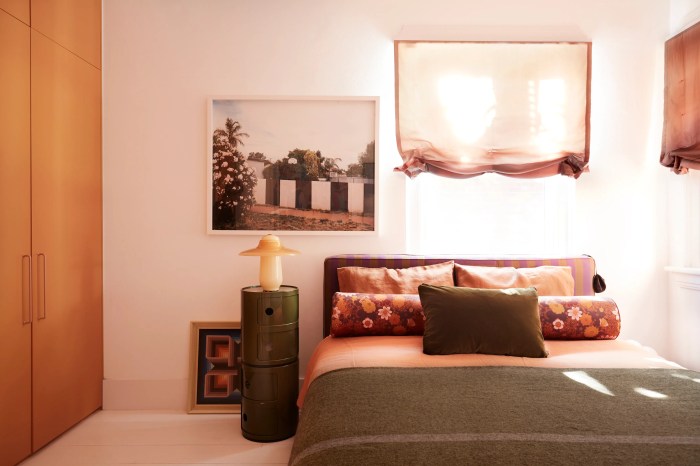
Compact living represents a conscious design and lifestyle choice focused on maximizing functionality and comfort within a smaller living space. It’s not simply about cramming furniture into a tiny area; rather, it’s a strategic approach to spatial organization and resource management, prioritizing efficiency and minimizing waste. This approach often necessitates a mindful curation of possessions and a keen eye for multi-functional furniture and clever storage solutions.Compact living spaces are characterized by their efficient use of square footage.
Every element serves a purpose, and clever design tricks, such as built-in storage, convertible furniture, and space-saving appliances, are frequently employed. The overall aesthetic often leans towards minimalism, although various design styles can successfully be implemented within compact living arrangements. The goal remains consistent: to create a comfortable and functional living environment despite size limitations.
Compact Living Styles
Different design philosophies can be successfully adapted to compact living. Minimalist design, for instance, prioritizes functionality and clean lines, eliminating unnecessary clutter and focusing on essential pieces. A minimalist compact living space might feature a neutral color palette, simple furniture, and a focus on natural light. Japanese design principles, emphasizing natural materials, simplicity, and a sense of calm, are another excellent fit.
Think low-profile furniture, natural wood accents, and a carefully curated collection of decorative items. Scandinavian design, with its focus on functionality, light, and natural materials, also complements compact living well. Light-colored walls, simple furniture, and the strategic use of plants can create a spacious and airy feel, even in a limited space.
Benefits and Challenges of Compact Living
Adopting a compact living approach offers several significant benefits. Reduced living expenses are a primary advantage, as smaller spaces often translate to lower rent or mortgage payments, reduced utility bills, and less cleaning and maintenance. A smaller footprint also contributes to a reduced environmental impact, minimizing resource consumption and waste. Furthermore, compact living can encourage a more mindful and intentional approach to consumption, leading to a more simplified and less cluttered lifestyle.
However, compact living also presents challenges. Space limitations can be a significant constraint, requiring careful planning and creative solutions for storage and organization. Privacy can also be an issue in smaller spaces, and accommodating guests might require more creative solutions. Finally, the psychological impact of living in a confined space should be considered; careful design and mindful organization can help mitigate any feelings of claustrophobia or confinement.
Space-Saving Furniture for Compact Bedrooms
Creating a functional and aesthetically pleasing bedroom in a compact space requires careful consideration of furniture choices. Prioritizing multi-functional pieces and maximizing vertical space are key strategies for achieving a comfortable and uncluttered environment. Smart furniture selection can transform a small bedroom from feeling cramped to feeling surprisingly spacious.
Selecting the right furniture is crucial for maximizing space and functionality in a small bedroom. The following table Artikels essential furniture pieces, emphasizing multi-functional designs. Careful consideration of materials can further enhance the overall aesthetic and practicality of your compact bedroom.
Essential Furniture for Compact Bedrooms
| Item | Function | Space-Saving Feature | Material Suggestion |
|---|---|---|---|
| Storage Bed | Sleeping, Storage | Drawers or built-in shelving integrated into the bed frame | Solid wood or engineered wood for durability |
| Wall-Mounted Desk | Work/Study Space | Folds away when not in use, minimizing floor space | Lightweight yet sturdy materials like laminate or metal |
| Vertical Shelving Unit | Storage | Maximizes vertical space, utilizing wall area | Lightweight yet sturdy materials like bamboo or metal |
| Fold-Down Table | Dining/Work Surface | Folds flat against the wall when not in use | Lightweight yet sturdy materials like laminate or metal |
| Ottoman with Storage | Seating, Storage | Holds blankets, pillows, or other items | Upholstered fabric or leather for comfort and durability |
Furniture Combining Storage and Sleeping or Seating Functionality
Many furniture pieces cleverly combine storage with sleeping or seating functionality, offering significant space-saving benefits. Storage beds, for instance, often include drawers underneath the mattress for storing bedding, clothing, or other items. These drawers can be accessed easily, keeping belongings organized and hidden from view. Similarly, ottomans with built-in storage provide comfortable seating while offering concealed storage for items like blankets, pillows, or extra bedding.
Another example is a cleverly designed headboard that incorporates shelving or drawers. This provides a practical and aesthetically pleasing solution for storing books, lamps, or other small items within easy reach.
Murphy Bed Description
A Murphy bed, also known as a wall bed, is a space-saving marvel. This type of bed folds vertically into a wall cabinet when not in use, completely disappearing from the room. The primary advantage is its ability to transform a room from a bedroom to a living space or office during the day, maximizing floor space for other activities.
When needed, the bed can be easily lowered to create a comfortable sleeping area.
However, Murphy beds do have potential drawbacks. They can be more expensive than traditional beds and may require professional installation. Additionally, the mechanism for raising and lowering the bed can sometimes be noisy, and accessing items stored behind the bed can be less convenient compared to under-bed storage.
Improving Airflow and Organization in Compact Bedrooms
Maintaining a comfortable and clutter-free environment in a compact bedroom requires careful consideration of airflow and organization. Poor airflow can lead to stuffiness and a feeling of claustrophobia, while disorganization exacerbates the feeling of cramped space. Addressing both these issues is crucial for maximizing the usability and pleasantness of a small bedroom.
Optimizing Airflow in Compact Bedrooms
Effective ventilation is key to preventing stuffiness and maintaining a comfortable temperature. Several strategies can significantly improve airflow in a small bedroom. These include opening windows regularly to create cross-ventilation, using a ceiling fan to circulate air, and strategically placing smaller fans to direct airflow. Consider purchasing an air purifier with a fan to filter out dust and allergens, while simultaneously improving air circulation.
For rooms with limited natural light, ensuring adequate ventilation is even more crucial to prevent the buildup of moisture and musty odors. Regularly airing out the room, even for short periods, can make a noticeable difference.
Organizing Clothes and Personal Items in Compact Bedrooms
A well-organized space feels larger and less cluttered. Implementing a systematic approach to storing clothes and personal items is vital in a compact bedroom.
- Maximize Vertical Space: Utilize shelves, tall storage units, and even the space under the bed for storage. Consider using stackable containers to efficiently utilize vertical space.
- Multifunctional Furniture: Invest in furniture with built-in storage, such as ottomans with storage compartments or beds with drawers underneath. This maximizes storage without sacrificing valuable floor space.
- Strategic Hanging: Use space-saving hangers and organize clothes by color or type to make selection easier and visually appealing. Consider vertical hanging organizers for closets to maximize space utilization.
- Clear Out Unnecessary Items: Regularly review your belongings and discard or donate items you no longer need or use. This prevents clutter buildup and frees up space.
- Utilize Wall Space: Install floating shelves or wall-mounted organizers to store books, accessories, or other small items, keeping them off the floor and freeing up valuable floor space.
The Importance of Regular Decluttering
Regular decluttering is not merely about tidying up; it’s about creating a more peaceful and functional living space. In a compact bedroom, decluttering is particularly impactful. By removing unnecessary items, you immediately increase the feeling of spaciousness and reduce visual clutter. A decluttered space allows for better airflow and easier cleaning, further enhancing the comfort and well-being of the room’s occupant.
A consistent decluttering schedule, even if it’s just a short session once a week, can prevent a build-up of clutter and maintain a sense of calm and order. This regular maintenance will greatly improve the overall feel of the compact bedroom. For example, a person who consistently declutters might find they can easily locate items, saving time and reducing stress.
In contrast, a cluttered space can lead to feelings of overwhelm and anxiety.
Designing a compact bedroom is a journey of creative problem-solving and thoughtful decision-making. By prioritizing multi-functional furniture, strategic storage solutions, and a carefully curated color scheme, you can create a space that is not only visually appealing but also highly functional and comfortable. Remember that even in limited square footage, a well-designed bedroom can be a sanctuary – a place of relaxation and personal expression.
Quick FAQs
What are the best materials for space-saving furniture?
Lightweight yet durable materials like lightweight wood, bamboo, and metal are ideal for space-saving furniture. They offer strength without adding unnecessary bulk.
How can I make my small bedroom feel brighter?
Maximize natural light by keeping windows unobstructed. Use light-colored paint and décor, and incorporate mirrors strategically to reflect light and create an illusion of spaciousness. Consider layered lighting with a combination of ambient, task, and accent lighting.
What are some affordable storage solutions?
DIY storage solutions, such as repurposed crates or shelves built from inexpensive materials, are cost-effective options. Look for sales and discounts on storage containers and organizers at home improvement stores.