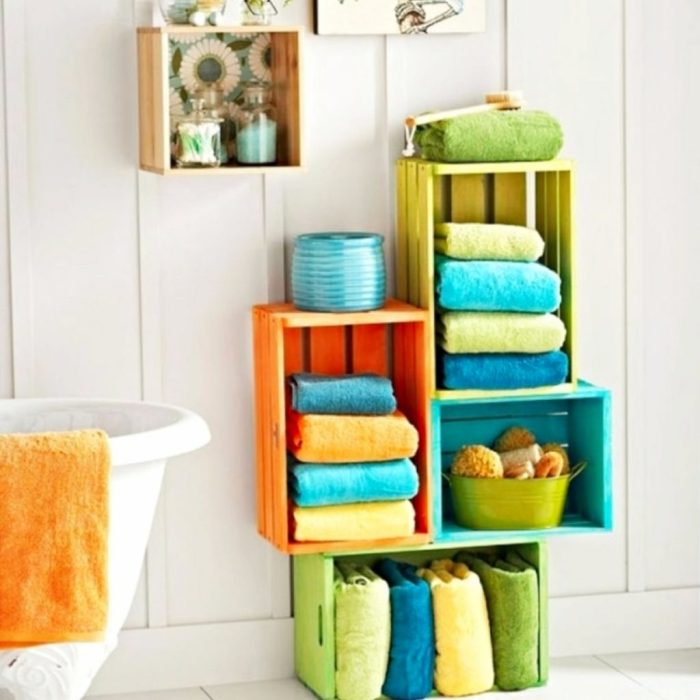
Living in a compact home presents unique challenges, particularly when it comes to storage. Limited square footage necessitates creative solutions to maximize space and maintain a clutter-free environment. This exploration delves into innovative strategies for optimizing storage in studios, tiny homes, and other compact living spaces, transforming limitations into opportunities for stylish and functional design.
From multifunctional furniture and vertical storage systems to clever utilization of hidden spaces and underutilized areas, we’ll uncover a range of practical and aesthetically pleasing solutions. We’ll examine how to declutter effectively, incorporate decorative storage elements, and seamlessly integrate storage into your overall home decor, creating a space that is both beautiful and highly functional.
Introduction
Compact living, encompassing everything from studio apartments to meticulously designed tiny homes, presents unique challenges, particularly concerning storage. Limited square footage necessitates creative solutions to accommodate all the necessities of daily life, while simultaneously maintaining a sense of spaciousness and functionality. The lack of ample storage space can easily lead to clutter and a feeling of confinement, negatively impacting the overall living experience.
Therefore, implementing creative storage strategies becomes paramount in maximizing the available space and enhancing the quality of life in a compact dwelling. Effective storage solutions not only help keep belongings organized but also contribute significantly to a more aesthetically pleasing and less stressful living environment.The benefits of creative storage solutions in compact homes are manifold. By cleverly utilizing often-overlooked spaces and employing innovative storage methods, residents can significantly improve the functionality and visual appeal of their homes.
Well-planned storage systems can dramatically increase the perceived size of a room, reduce visual clutter, and enhance the overall feeling of order and tranquility. This, in turn, leads to a more comfortable and enjoyable living experience, even within the constraints of limited space. Clever storage solutions can also improve the flow of movement within the home, preventing the frustration of constantly navigating around obstacles.
Compact Living Styles and Their Storage Needs
Compact living encompasses a variety of styles, each presenting specific storage challenges. Studio apartments, for instance, often lack dedicated spaces for storage, requiring creative solutions to separate living, sleeping, and working areas while efficiently storing belongings. Tiny homes, characterized by their extremely small footprint, necessitate highly efficient and multi-functional storage systems to maximize every inch of space. Similarly, micro-apartments, often found in densely populated urban areas, require ingenious storage solutions to accommodate a comfortable lifestyle within a minimal space.
Understanding the unique needs of each style is crucial in selecting the most appropriate storage solutions.
Space-Saving Furniture and Multifunctional Designs
Maximizing space in compact homes requires clever solutions, and multifunctional furniture is a key element in achieving this. By integrating multiple functions into a single piece, we can significantly reduce clutter and enhance the overall efficiency of the living space. This approach not only saves space but also contributes to a more streamlined and organized home environment.
Multifunctional Furniture Examples for Compact Homes
The following table details three examples of space-saving furniture pieces designed for compact living, showcasing their features, materials, and benefits:
| Name | Features | Materials | Benefits |
|---|---|---|---|
| Murphy Bed with Integrated Shelving | Full-size bed that folds away into a wall unit; integrated shelving units on either side for books, decorative items, or storage | Solid wood frame, plywood shelving, durable hinges and mechanisms | Maximizes floor space during the day; provides ample storage; creates a clean, uncluttered look |
| Ottoman with Hidden Storage | Stylish ottoman with a lift-top revealing a spacious storage compartment; suitable for blankets, pillows, or other items | Upholstered fabric or leather exterior, sturdy wooden or metal frame, gas-lift mechanism for easy access | Provides comfortable seating; offers discreet storage; enhances the aesthetic appeal of the room |
| Sofa Bed with Under-Seat Drawers | Convertible sofa that transforms into a bed; integrated drawers under the seating area for storage | Durable fabric upholstery, sturdy wooden frame, smooth-gliding drawer mechanisms | Serves as both seating and sleeping space; provides additional storage for linens or other items; versatile and adaptable to different needs |
Advantages of Modular Furniture in Compact Spaces
Modular furniture offers unparalleled flexibility and adaptability for compact homes. Its components can be rearranged and reconfigured to suit changing needs and space requirements. This adaptability allows for customization based on the homeowner’s preferences and the evolution of their living space. The ability to easily add or remove pieces means the furniture can grow with the homeowner’s needs, avoiding the need for frequent replacements.
Furthermore, modular furniture often comes in smaller, more manageable units, making it easier to navigate tight spaces during assembly and rearrangement.
Comparison of Space-Saving Furniture Options
The market offers a wide range of space-saving furniture, each with its own strengths and weaknesses. For example, foldable furniture, like folding tables and chairs, offers maximum space-saving potential when not in use, but may lack the sturdiness and comfort of more permanent pieces. Murphy beds provide a great solution for small bedrooms, transforming from a bed to a wall unit, but require proper wall installation.
Other options, such as nesting tables or stackable chairs, are ideal for maximizing vertical space and are easily stored when not needed. Ultimately, the best choice depends on individual needs, available space, and budget constraints. Consider factors like durability, ease of use, and aesthetic appeal when selecting space-saving furniture for a compact home.
Vertical Storage Solutions and Wall Organization

Maximizing vertical space is crucial in compact homes, offering a significant increase in storage capacity without sacrificing valuable floor area. By strategically utilizing walls, we can create efficient and aesthetically pleasing storage solutions that enhance both functionality and the overall design of the space. This section will explore practical applications of vertical storage in kitchens, bedrooms, and entryways.
Wall-Mounted Kitchen Storage System
Imagine a sleek, white wall-mounted storage system in a compact kitchen. The system comprises a series of modular units, each approximately 12 inches wide and 24 inches deep. These units are constructed from a durable, matte-white melamine, chosen for its easy cleaning and modern aesthetic. The color scheme is minimalist, emphasizing clean lines and a sense of spaciousness.
Functionality is key: some units feature deep drawers for utensils and cookware, while others offer open shelving for frequently used items like spices and oils. A few units incorporate pull-out spice racks, maximizing accessibility within limited space. The system is affixed to the wall using robust, hidden brackets, ensuring both stability and a clean, uncluttered appearance.
The overall effect is a highly organized and visually appealing kitchen storage solution that makes optimal use of vertical space.
Vertical Space Utilization in a Compact Bedroom
Efficient use of vertical space in a small bedroom can transform a cramped environment into a functional and organized haven. Floor-to-ceiling shelving units are ideal for this purpose. Imagine a tall, narrow bookcase made from light-colored wood, perhaps a natural oak or a pale birch. This unit could extend from the floor to the ceiling, offering ample storage for books, clothes, and other personal items.
The shelves could be adjustable, allowing for customization based on the size and type of items being stored. To enhance storage further, consider adding a combination of open shelving and closed cabinets with doors. Open shelves display decorative items while closed cabinets conceal less visually appealing items, maintaining a tidy and aesthetically pleasing look. In addition to the bookcase, wall-mounted floating shelves can provide extra storage for smaller items like alarm clocks or picture frames, further enhancing the overall storage capacity.
These shelves, perhaps in a matching light wood or a contrasting white, can add visual interest while providing practical storage.
Vertical Shoe and Coat Organization System for a Small Entryway
A small entryway can benefit significantly from a well-designed vertical storage system. The following components will create an organized and efficient space:
- A tall, narrow coat rack with multiple hooks. This should be positioned centrally to maximize space utilization. The rack could be made of metal for durability and a contemporary look, or of wood for a warmer, more traditional feel.
- A slim, wall-mounted shoe organizer with multiple compartments. This should be placed directly beneath the coat rack, utilizing the vertical space effectively. The organizer could be made of fabric for a lightweight and flexible solution, or of wood or plastic for a more durable and structured option.
- A small, wall-mounted shelf above the shoe organizer. This can be used to store keys, hats, or other small accessories. The shelf can be made of wood or metal, matching the style of the coat rack and shoe organizer.
This combination ensures all coats and shoes are stored vertically, maximizing space and maintaining a clutter-free entryway.
Clever Storage Ideas for Specific Areas
Maximizing storage in compact homes requires creative solutions tailored to each room’s unique challenges. Efficient storage not only declutters but also enhances the overall functionality and aesthetic appeal of your living space. This section explores practical and innovative storage ideas for bathrooms, living rooms, and kitchens in smaller homes.
Bathroom Storage Solutions
Small bathrooms often lack adequate storage. The key is to utilize vertical space and hidden areas effectively. The following table Artikels several practical solutions.
| Area | Solution | Materials | Capacity |
|---|---|---|---|
| Under the Sink | Pull-out drawers or tiered organizers | Plastic, wire, bamboo | High; depends on drawer/organizer size |
| Above the Toilet | Floating shelves or a narrow cabinet | Wood, MDF, metal | Moderate; depends on shelf/cabinet size |
| Inside the Shower | Recessed shower niches or a corner caddy | Tile, waterproof plastic, stainless steel | Moderate; depends on niche/caddy size |
| Walls | Wall-mounted cabinets or mirrored medicine cabinets | Wood, glass, metal | High; depends on cabinet size |
Living Room Storage Ideas
Maintaining a clutter-free and spacious living room in a compact home requires careful consideration of storage solutions that integrate seamlessly with the existing furniture and décor. The focus should be on maximizing seating space while minimizing the visual impact of storage units.Innovative storage solutions for a compact living room include ottomans with built-in storage, coffee tables with drawers or shelves, and modular shelving units that can be customized to fit the available space.
Utilizing vertical space with tall, narrow bookshelves can also be highly effective. Consider using baskets or decorative boxes to store items on shelves or within ottomans, maintaining a visually appealing and organized space. A sofa with built-in storage can be a game changer, concealing blankets, pillows, and other items.
Kitchen Storage Solutions
Efficient pantry organization and the effective use of counter space are crucial in a small kitchen. Clever storage solutions can significantly improve both functionality and aesthetics.Strategies for pantry organization include using stackable containers, drawer dividers, and pull-out shelves to maximize vertical space and easily access items. Labeling containers not only improves organization but also makes it easier to locate specific items.
Utilizing the often-overlooked space above cabinets can also provide valuable storage for infrequently used items. For counter space, consider using a multi-functional countertop appliance, such as a combination microwave and oven, or a compact stand mixer. Vertical spice racks and magnetic knife strips on the wall can free up valuable counter space. Installing pull-out drawers in base cabinets can make accessing pots, pans, and other items more convenient and efficient.
Utilizing Hidden Storage Spaces and Underutilized Areas
Maximizing storage in a compact home often involves creatively using spaces that are typically overlooked. This section explores underutilized areas and provides practical solutions for incorporating hidden storage, significantly increasing your home’s storage capacity without compromising its aesthetic appeal. We will focus on three common areas and strategies for integrating hidden storage solutions seamlessly.
Underutilized Areas and Storage Solutions
Compact homes often leave several areas underutilized. Three prime examples are the space under the stairs, the area beneath the bed, and the often-ignored wall cavities. Each presents unique opportunities for clever storage integration. Let’s explore specific solutions for each.
- Space under the stairs: This triangular area is frequently neglected. Custom-built drawers or pull-out shelves can maximize this space, perfectly suited for storing seasonal items, shoes, or rarely used household items. Consider using the space to create a small, built-in pantry with pull-out shelves for canned goods and dry goods. The design should be tailored to the specific dimensions of the staircase and integrated seamlessly with the existing décor.
- Area beneath the bed: The space under the bed often remains unused. Utilizing this area can significantly increase storage. Low-profile storage containers on wheels are ideal for sliding in and out easily. Alternatively, investing in a bed with built-in drawers can provide ample hidden storage for bedding, clothes, or other items. The drawers can be designed to match the bed’s style, maintaining a clean aesthetic.
- Wall cavities: Many walls offer unused cavity space. Depending on the wall’s construction, shallow shelving or custom-built cabinets can be incorporated within the walls, creating hidden storage. This requires careful planning and may necessitate professional installation, but the resulting hidden storage is both practical and aesthetically pleasing. Such hidden storage is particularly useful for storing less frequently used items, such as extra linens or holiday decorations.
Utilizing Space Under Stairs or Beds
Effective use of space under stairs or beds requires careful planning and consideration of the available space and the items to be stored. For under-stair storage, custom-built solutions are generally preferable. These can range from simple shelving units to more complex systems with pull-out drawers and hinged doors, seamlessly integrated into the staircase structure. For beds, shallow storage containers are ideal for maximizing the space while maintaining ease of access.
Remember to prioritize easy access and consider the weight of the stored items to ensure the structural integrity of the storage solution. For example, a sturdy, well-built system under the stairs could accommodate heavier items like books or tools, while lighter items like linens are suitable for under-bed storage.
Creating Hidden Storage Compartments Within Walls or Furniture
Creating hidden storage compartments requires a more involved approach, often necessitating modifications to existing structures or custom-built solutions. For wall cavities, the process involves cutting access panels into the drywall, installing shelving or drawers within the cavity, and then carefully repairing and finishing the drywall to maintain the wall’s appearance. For furniture, consider incorporating hidden compartments into existing pieces or designing new pieces with integrated storage.
For example, a custom-built ottoman could conceal a storage compartment for blankets and pillows, while a bookshelf could be designed with hidden drawers within its structure. This requires careful planning and precise execution to ensure both functionality and aesthetics. A professional carpenter or handyman is often recommended for these tasks.
Compact Living
Efficient organization and decluttering are paramount in compact homes, maximizing space and enhancing the overall living experience. A well-organized space feels larger and less cluttered, reducing stress and promoting a sense of calm. Regular purging and consistent organization are not merely chores; they are essential lifestyle choices for maintaining a comfortable and functional compact living environment.
Decluttering Strategies for Compact Homes
Effective decluttering in a small space requires a strategic approach. It’s not just about removing items; it’s about evaluating each item’s necessity and utility. This involves a mindful process of identifying what to keep, what to donate, and what to discard. A systematic approach ensures a thorough and efficient decluttering process, leaving you with a more organized and spacious home.
The Importance of Regular Purging and Organizing Routines
Regular purging and organizing are vital for maintaining a clutter-free compact home. Think of it as preventative maintenance. By consistently reviewing belongings and removing unnecessary items, you prevent clutter from accumulating and overwhelming the space. A scheduled routine – even a short session once a week – ensures that the decluttering process remains manageable and prevents large-scale clean-ups that can feel overwhelming.
For example, a 15-minute decluttering session each Saturday morning can prevent a weekend-long purge.
Step-by-Step Closet Decluttering Guide
- Empty the Closet: Remove everything from the closet. This allows for a complete assessment of the contents and a thorough cleaning of the space.
- Sort and Categorize: Group similar items together (e.g., shirts, pants, dresses). This makes it easier to identify duplicates or items that are no longer needed.
- Evaluate Each Item: Ask yourself if you’ve worn the item in the past year. If not, consider donating or discarding it. Be honest about whether an item truly serves a purpose in your life.
- Clean the Closet: Once items are removed, thoroughly clean the shelves and interior of the closet. This fresh start creates a more inviting space for the remaining items.
- Organize Remaining Items: Utilize vertical space with shelves and drawers. Consider using space-saving hangers and drawer organizers to maximize storage capacity. Arrange items by category and frequency of use.
- Maintain the Organization: After decluttering, put systems in place to maintain the organization. This might involve putting away clothes immediately after use or setting aside a specific time each week to quickly tidy up the closet.
By embracing creative storage solutions, compact living needn’t mean sacrificing comfort or style. Through thoughtful planning and the implementation of space-saving strategies, even the smallest homes can feel spacious and organized. This guide has provided a framework for transforming limited space into a well-designed and functional living area, proving that efficient storage is key to maximizing both space and aesthetic appeal in a compact home.
Q&A
What are some affordable space-saving solutions?
Over-the-door organizers, stackable storage bins, and repurposed items like jars and baskets offer budget-friendly storage solutions. DIY projects, such as building your own shelving units, can also be cost-effective.
How can I prevent my compact home from feeling cramped?
Maintaining a minimalist approach, using light and airy colors, and strategically placing mirrors to create the illusion of more space can help prevent a cramped feeling. Regular decluttering is also essential.
Where can I find inspiration for compact home storage?
Online resources like Pinterest, home décor blogs, and websites specializing in small-space living offer a wealth of inspiration. Visiting model apartments or showrooms featuring compact designs can also be helpful.


