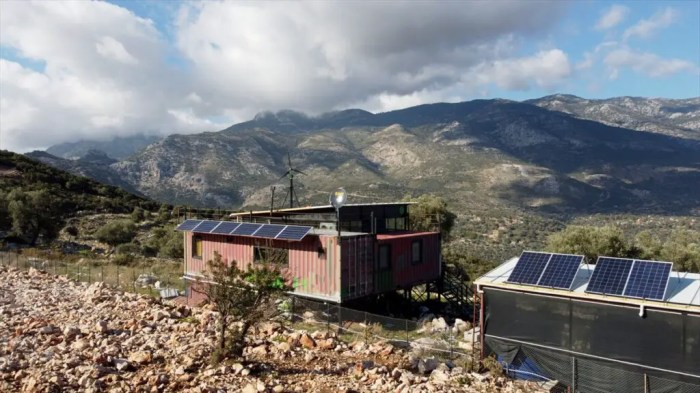
Imagine a world where thriving communities flourish within thoughtfully designed, eco-friendly compact spaces. This isn’t a futuristic fantasy; it’s the rapidly evolving reality of sustainable compact living. This guide delves into the multifaceted aspects of this innovative approach to urban dwelling, exploring its environmental, economic, and social benefits, as well as the design considerations, technological advancements, and lifestyle adaptations that make it both practical and appealing.
From optimizing space in small apartments to harnessing renewable energy sources, we’ll examine the key principles and practical strategies that define sustainable compact living. We’ll also address potential challenges and explore solutions for creating comfortable, efficient, and environmentally responsible homes, ultimately envisioning a future where compact living plays a significant role in building sustainable urban landscapes.
Defining Sustainable Compact Living
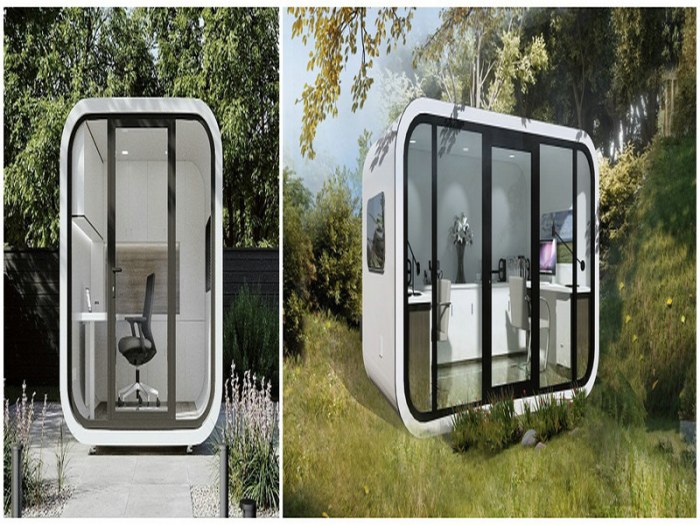
Sustainable compact living represents a mindful approach to urban dwelling, prioritizing environmental responsibility, economic efficiency, and improved quality of life within smaller living spaces. It’s not simply about downsizing; it’s a holistic lifestyle choice that integrates design, technology, and conscious consumption to minimize environmental impact and maximize resource utilization.Sustainable compact living solutions prioritize minimizing the environmental footprint of housing.
This involves reducing energy consumption, water usage, and waste generation throughout the building’s lifecycle. It also considers the use of sustainable materials and the overall impact on the surrounding environment. The economic advantages are significant, encompassing lower construction costs, reduced utility bills, and increased affordability, particularly in high-density urban areas.
Core Principles of Sustainable Compact Living
The core principles revolve around minimizing resource consumption and maximizing efficiency. This includes employing energy-efficient appliances and lighting, implementing water-saving fixtures, and optimizing space utilization through clever design and multi-functional furniture. Furthermore, the selection of sustainable building materials and the incorporation of renewable energy sources are critical aspects. Finally, waste reduction strategies, from construction to daily living, are integral to the philosophy.
Environmental Benefits of Compact Living Spaces
Choosing compact living significantly reduces the environmental impact associated with housing. Smaller homes require fewer resources for construction, leading to decreased carbon emissions during the manufacturing and transportation of materials. Reduced energy consumption for heating, cooling, and lighting further minimizes the carbon footprint. Less land is consumed per dwelling, preserving natural habitats and reducing urban sprawl. The inherent efficiency of compact living contributes to a smaller overall ecological footprint compared to larger, more sprawling homes.
Economic Advantages of Sustainable Compact Living Solutions
Sustainable compact living offers compelling economic benefits. Smaller living spaces typically require less upfront investment in construction materials and labor. Lower utility bills, resulting from reduced energy and water consumption, translate to significant long-term savings. Property taxes are often lower on smaller homes, contributing to increased affordability. Furthermore, the reduced maintenance associated with a smaller footprint leads to further economic advantages.
For example, a smaller apartment in a densely populated city may cost less to heat and cool than a large suburban home. This difference becomes particularly pronounced in areas with high energy costs.
Sustainable Materials Used in Compact Living Construction
A wide array of sustainable materials contribute to environmentally friendly compact living. Recycled materials such as reclaimed wood, repurposed metal, and recycled glass offer a lower environmental impact compared to virgin materials. Bamboo, a rapidly renewable resource, is a strong and versatile building material. Hempcrete, a composite material made from hemp fibers and lime, offers excellent insulation properties and a low carbon footprint.
Cork, a naturally insulating and sustainable material, is often used for flooring and wall coverings. The use of these materials not only reduces environmental impact but can also contribute to a healthier indoor environment.
Compact Living Design and Space Optimization
Effective design is paramount in maximizing the functionality and comfort of compact living spaces. By strategically employing space-saving techniques and incorporating sustainable materials, we can create homes that are both aesthetically pleasing and environmentally responsible. This section will explore various design strategies and furniture choices that contribute to efficient and sustainable compact living.
A Sample 500 sq ft Sustainable Apartment Floor Plan
A 500 square foot apartment can comfortably accommodate a single person or a couple if designed thoughtfully. Imagine an open-plan layout combining the living, dining, and kitchen areas. This maximizes natural light penetration and creates a sense of spaciousness. A galley kitchen, efficiently placed along one wall, conserves floor space. A built-in Murphy bed, stored neatly during the day, converts the living area into a bedroom at night.
A small, well-appointed bathroom with a walk-in shower completes the design. A dedicated workspace, perhaps a built-in desk within a wall unit, could be incorporated into the living area. The use of light, reflective colours on walls and flooring would enhance the feeling of openness.
Innovative Storage Solutions for Compact Living
Clever storage solutions are crucial for maintaining order and maximizing space in compact living. Built-in shelving units, extending from floor to ceiling, can provide ample storage without cluttering the floor. Under-bed storage drawers, utilizing otherwise wasted space, can accommodate seasonal clothing or linens. Vertical storage solutions, such as tall, narrow cabinets, are more space-efficient than wide, shallow ones.
Utilize wall-mounted organizers for frequently used items, keeping countertops and surfaces clear. Multi-purpose furniture, such as ottomans with built-in storage, contributes to a clutter-free environment.
Multi-functional Furniture in Space Maximization
Multi-functional furniture is a cornerstone of successful compact living design. A sofa bed serves as both seating and sleeping space, eliminating the need for a separate bed. A coffee table with drawers provides additional storage while also serving its primary function. A dining table that folds away when not in use frees up valuable floor space. Storage ottomans provide seating and hidden storage.
Modular furniture systems, which can be easily reconfigured to suit changing needs, are also extremely valuable in adapting to various living styles and situations within a small space.
The Importance of Natural Light and Ventilation in Compact Design
Natural light and ventilation are crucial for creating a healthy and pleasant living environment, especially in compact spaces. Maximizing window size and strategically placing windows to capture the maximum amount of sunlight can significantly improve the perceived spaciousness and overall mood. Cross-ventilation, achieved by strategically placing windows on opposite walls, helps to maintain a comfortable temperature and reduce reliance on air conditioning.
Skylights can also be incorporated to enhance natural light penetration, especially in rooms with limited exterior wall space. Light-coloured paint and reflective surfaces help to bounce light around the space, making it feel brighter and more open.
Space-Saving Furniture Options
| Furniture Type | Description | Space-Saving Features | Sustainability Considerations |
|---|---|---|---|
| Murphy Bed | A bed that folds away into a wall unit. | Reclaims floor space during the day. | Choose models made from sustainable materials like bamboo or reclaimed wood. |
| Sofa Bed | A sofa that converts into a bed. | Serves as both seating and sleeping space. | Look for sofas made with organic cotton or recycled fabrics. |
| Storage Ottoman | An ottoman with built-in storage. | Provides seating and hidden storage. | Choose ottomans made from sustainable materials and with durable construction. |
| Wall-Mounted Desk | A desk that folds down from the wall. | Saves floor space when not in use. | Opt for a desk made from recycled or sustainably sourced materials. |
Compact Living Challenges and Solutions
Sustainable compact living, while offering numerous environmental and economic benefits, presents unique challenges. Successfully navigating these hurdles requires innovative design, thoughtful planning, and a community-oriented approach. Addressing these challenges effectively will be crucial for the widespread adoption of this increasingly important lifestyle.
Challenges of Compact Living
Several obstacles hinder the widespread adoption of sustainable compact living. Space limitations naturally impact storage, privacy, and social interaction. Furthermore, the efficient management of waste and resources within confined spaces requires careful consideration. Finally, the perception of compact living as cramped or inconvenient can be a significant barrier. These challenges, however, are not insurmountable.
Addressing Privacy Concerns in Compact Spaces
Maintaining a sense of privacy in a compact living environment is paramount. Strategic spatial planning, using room dividers, cleverly placed furniture, and incorporating soundproofing materials can significantly enhance privacy. For example, a Murphy bed that folds away during the day can transform a bedroom into a living area, providing flexibility and privacy. Furthermore, zoning areas for different activities – creating distinct sleep, work, and social zones – contributes to a feeling of personal space.
The use of curtains or screens can also create temporary private spaces within a room.
Waste Management in Compact Environments
Effective waste management is crucial in compact living. Implementing a robust recycling and composting system is essential. Utilizing compact appliances and minimizing packaging waste are also important steps. Consider using space-saving storage solutions for recycling bins and compost containers. Many compact homes are now designed with integrated waste management systems that are both efficient and discreet.
For example, built-in compost bins under kitchen counters or hidden recycling compartments within cabinets contribute to a cleaner and more organized space.
Successful Compact Living Communities and Sustainability Strategies
Several communities worldwide exemplify the successful implementation of sustainable compact living. Examples include eco-villages and co-housing projects that prioritize shared resources, communal spaces, and sustainable practices. These communities often incorporate features like shared gardens, renewable energy sources, and efficient water management systems. The strong sense of community in these settings often mitigates the potential challenges of living in close proximity.
These projects often demonstrate that successful compact living is not just about minimizing space, but maximizing community and resource efficiency.
Infographic: Solutions for Common Compact Living Challenges
The infographic, titled “Maximizing Space, Minimizing Impact: Solutions for Compact Living,” would utilize a clean, modern design with a color palette of calming greens and blues to reflect the sustainable theme. The central visual element would be a stylized illustration of a compact apartment building, showing various sustainable features and space-saving solutions. Each section of the infographic would focus on a specific challenge and its solution.The first section, “Privacy Enhancement,” would feature icons depicting room dividers, Murphy beds, and soundproofing materials, accompanied by brief descriptions of their benefits.
The second section, “Waste Management,” would illustrate a compact recycling system and compost bin, highlighting the importance of reducing, reusing, and recycling in small spaces. The third section, “Space Optimization,” would showcase examples of multi-functional furniture, clever storage solutions (e.g., vertical shelving, under-bed storage), and space-saving appliances. The final section, “Community Building,” would depict a community garden and shared workspace, emphasizing the importance of social interaction and resource sharing in compact living environments.
Data points, such as percentage reductions in waste or energy consumption achieved through specific strategies, could be integrated into the design for added impact. The infographic would conclude with a call to action, encouraging viewers to explore sustainable compact living options.
The Future of Sustainable Compact Living
Sustainable compact living is poised for significant growth, driven by increasing urbanization, environmental concerns, and a growing awareness of the benefits of smaller, more efficient living spaces. Future trends will be shaped by technological advancements, innovative urban planning, and breakthroughs in materials science, leading to more resilient and desirable compact living options.
Future Trends in Sustainable Compact Living Solutions
Several key trends will define the future of sustainable compact living. We can expect to see a rise in modular and prefabricated homes designed for easy assembly and disassembly, minimizing construction waste and transportation impacts. Furthermore, the integration of smart home technologies will become increasingly prevalent, allowing for optimized energy consumption, resource management, and improved living comfort within limited spaces.
Finally, the development of adaptable and multi-functional furniture will continue to maximize space utilization and cater to evolving lifestyle needs. For example, companies like SpaceCottage are already pioneering the modular home market, offering customizable, sustainable options that can be easily transported and assembled.
The Role of Technology in Shaping the Future of Compact Living
Technology will play a crucial role in enhancing the sustainability and livability of compact homes. Smart home systems will integrate seamlessly with energy-efficient appliances, automated lighting, and water-saving fixtures, resulting in significant reductions in utility costs and environmental footprints. Advanced sensors and data analytics can monitor energy consumption in real-time, providing valuable feedback to residents and optimizing energy use patterns.
The use of virtual and augmented reality (VR/AR) technologies could also transform the design and planning process, allowing for immersive experiences and personalized customization of compact living spaces before construction begins. Imagine designing your dream compact apartment using VR, virtually placing furniture and experimenting with layouts before a single brick is laid.
Integrating Sustainable Compact Living into Urban Planning
Integrating sustainable compact living into urban planning requires a shift towards higher-density, mixed-use developments. This involves creating vibrant, walkable neighborhoods with access to public transportation, green spaces, and community amenities. Incentivizing developers to build smaller, more energy-efficient homes through zoning regulations and tax breaks will be crucial. Furthermore, the incorporation of green infrastructure, such as rooftop gardens and green walls, can improve air quality, reduce the urban heat island effect, and enhance the aesthetic appeal of compact living spaces.
Examples of successful urban planning initiatives that prioritize compact living can be found in cities like Copenhagen and Amsterdam, where dense, well-planned neighborhoods prioritize walkability and public transportation.
Advancements in Materials Science Improving Sustainable Compact Living
Advancements in materials science are paving the way for more sustainable and durable compact living solutions. The development of lightweight yet strong building materials, such as cross-laminated timber (CLT) and recycled composite materials, reduces the environmental impact of construction and improves the energy efficiency of buildings. The use of bio-based materials, such as mycelium composites and bamboo, offers renewable and sustainable alternatives to traditional construction materials.
Furthermore, the development of self-healing materials and advanced insulation technologies can significantly enhance the longevity and energy performance of compact homes. For instance, the use of CLT in construction is already gaining traction, offering a sustainable and structurally sound alternative to concrete and steel.
Sustainable compact living offers a compelling path towards a more environmentally responsible and socially connected future. By embracing innovative design, leveraging technology, and fostering a sense of community, we can create vibrant, efficient, and eco-conscious living spaces. The challenges are real, but the rewards – a smaller environmental footprint, increased affordability, and a stronger sense of community – make the pursuit of sustainable compact living a worthwhile endeavor.
The future of urban living may well be smaller, smarter, and more sustainable.
FAQ Resource
What are the initial costs involved in building or converting to a sustainable compact living space?
Initial costs can vary significantly depending on the scale of the project, location, and materials used. While some upfront investment may be required, long-term savings on energy and water bills can often offset these initial expenses.
How can I ensure adequate privacy in a compact living space?
Strategic design choices, such as thoughtful placement of furniture and the use of room dividers or partitions, can enhance privacy within a compact space. Soundproofing materials can also minimize noise transfer.
Are there any zoning regulations that might affect my ability to build or live in a compact home?
Zoning regulations vary by location. It’s crucial to research local building codes and zoning ordinances before undertaking any construction or renovation projects related to compact living.
What are some resources available for learning more about sustainable compact living design?
Numerous online resources, books, and organizations dedicated to sustainable design and compact living provide valuable information and guidance. Searching for terms like “sustainable compact living design,” “tiny house plans,” or “eco-friendly construction” will yield relevant results.


