Maximizing space in a small apartment or home can feel like a constant battle. But what if your furniture could work harder? Multifunctional furniture offers a clever solution, transforming cramped living into efficient and stylish spaces. From sofa beds that effortlessly transition from seating to sleeping arrangements to ottomans concealing hidden storage, innovative designs are revolutionizing how we furnish compact homes.
This exploration delves into the world of multifunctional furniture, examining its benefits, diverse types, and the design considerations crucial for seamless integration into your small space.
We’ll explore various types of multifunctional furniture suitable for different rooms, from living rooms and bedrooms to kitchens and even bathrooms. We’ll also discuss the importance of material selection, durability, and the overall aesthetic impact of these space-saving solutions. Finally, we’ll look ahead at future trends in multifunctional furniture design, including the integration of smart technology and sustainable materials.
Defining Multifunctional Furniture
Multifunctional furniture is a design category focused on maximizing space efficiency and utility within limited areas. These pieces cleverly combine the functions of two or more separate pieces of furniture, thereby reducing the overall number of items needed in a room and optimizing available space. This approach is particularly valuable in small apartments, studios, or any space where square footage is at a premium.The core characteristics of multifunctional furniture for small spaces revolve around clever design and integrated functionality.
These pieces are typically compact and designed to seamlessly transition between different uses. Emphasis is placed on both form and function, ensuring the furniture remains aesthetically pleasing while serving multiple purposes effectively. Materials are often selected for their durability and ease of maintenance, given the increased usage inherent in multifunctional designs.
Examples of Multifunctional Furniture
Several examples illustrate the diverse applications of multifunctional furniture. Sofa beds, for instance, combine the relaxation of a sofa with the sleeping accommodation of a bed, offering a dual-purpose solution for living rooms or guest areas. Ottomans with integrated storage provide comfortable seating while simultaneously offering hidden storage space for blankets, pillows, or other items. Wall beds, also known as Murphy beds, fold neatly into a wall unit, transforming a room from a bedroom to a living space or office during the day.
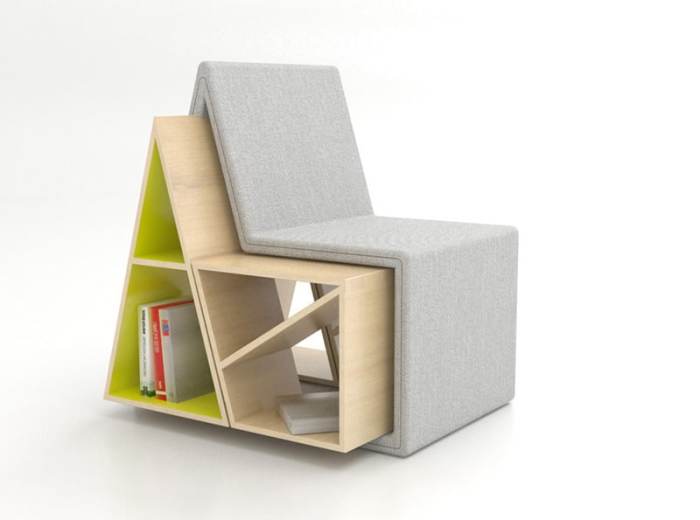
Other examples include desks with hidden storage compartments, coffee tables that convert into dining tables, and chairs with built-in bookshelves. Each of these pieces demonstrates the versatility achievable through thoughtful design.
Design Principles for Space Efficiency
Space efficiency is paramount in the design of multifunctional furniture. Several key principles guide this design process. Firstly, clever use of vertical space is crucial. Tall, narrow units maximize floor space while providing ample storage or functionality. Secondly, transformable elements are key.
Mechanisms that allow furniture to fold, slide, or otherwise change shape allow for dynamic adaptation to different needs. Thirdly, hidden storage is highly valued. Compartments concealed within seating, tabletops, or other elements contribute significantly to overall space optimization. Finally, modular designs allow for customization and flexibility, enabling users to adapt the furniture to their specific needs and available space.
These principles, working in concert, ensure that multifunctional furniture truly delivers on its promise of space-saving utility.
Benefits of Multifunctional Furniture in Small Spaces
Multifunctional furniture offers significant advantages for maximizing space and enhancing the overall living experience in compact homes. Its ability to serve multiple purposes efficiently transforms small areas into more versatile and comfortable environments, addressing the common challenges of limited square footage. This is achieved through clever design and integrated features that combine the functionality of several separate pieces into a single unit.Maximizing Space and Functionality in Small SpacesMultifunctional furniture directly tackles the primary challenge of small spaces: a lack of floor area.
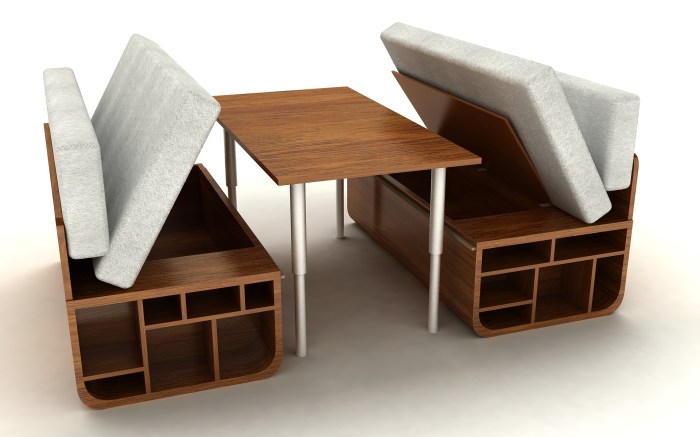
By combining the functions of multiple pieces—for example, a sofa bed that serves as both seating and sleeping accommodation, or a storage ottoman that provides seating and concealed storage—it significantly reduces the number of individual items required. This, in turn, frees up valuable floor space, making the room feel less cluttered and more open. The efficient use of vertical space is another key benefit; many multifunctional pieces incorporate shelving, drawers, or hidden compartments, maximizing storage without compromising floor space.Cost-Effectiveness of Multifunctional FurnitureInvesting in multifunctional furniture can prove more cost-effective in the long run compared to purchasing separate items.
While the initial cost of a single multifunctional piece might seem higher than buying individual items, the overall expense is often lower. Consider a sofa bed versus buying a separate sofa and a bed; the latter would require significantly more space and money. This financial advantage is especially relevant for those on a budget or furnishing a small space for the first time.
The reduced need for multiple pieces translates to savings not only on the furniture itself but also on potential delivery and assembly costs.Aesthetic and Functional Impact on Small SpacesThe impact of multifunctional furniture on the aesthetic and functionality of a small space is substantial. Well-designed multifunctional pieces can contribute to a more streamlined and visually appealing environment, reducing clutter and promoting a sense of order.
Choosing pieces that complement the overall style of the room is crucial. For instance, a stylish sofa bed with integrated storage can add both functionality and elegance to a living room, while a cleverly designed wall-mounted desk and storage unit can create a dedicated workspace without overwhelming a small bedroom. The increased functionality improves the usability of the space, allowing for more efficient use of available area and promoting a sense of organization.
Types of Multifunctional Furniture for Specific Needs
Multifunctional furniture offers a practical and stylish solution for maximizing space in smaller homes. By cleverly combining the functions of multiple pieces into one, these designs help to optimize floor space and create a more organized living environment. The following sections detail various types of multifunctional furniture categorized by room and provide examples of space-saving solutions.
Multifunctional Furniture by Room
The selection of multifunctional furniture greatly depends on the specific needs and layout of each room. The table below illustrates how different furniture pieces can serve multiple purposes across various areas of the home.
| Living Room | Bedroom | Kitchen | Bathroom |
|---|---|---|---|
| Sofa bed (combining seating and sleeping) | Storage bed (incorporating drawers or lift-up storage) | Kitchen island with storage (providing workspace and storage) | Vanity with storage (combining a sink and storage) |
| Ottoman with storage (offering seating and hidden storage) | Wardrobe with integrated mirror (providing clothing storage and a mirror) | Fold-down table (creating extra workspace when needed) | Medicine cabinet with mirror (offering storage and a mirror) |
| Coffee table with drawers (providing a surface and storage) | Bedside table with drawers (offering a surface and storage) | Rolling cart (providing mobile storage and workspace) | Shower caddy (providing storage for shower essentials) |
Multifunctional Furniture for Studio Apartments
Studio apartments often require furniture that serves multiple purposes due to their limited space. Careful selection of pieces can greatly impact the overall functionality and livability of the space.
The following list highlights furniture pieces particularly suitable for studio apartments:
- Sofa bed: Provides seating during the day and a sleeping area at night.
- Murphy bed: A wall-mounted bed that folds away when not in use, freeing up floor space.
- Storage ottoman: Offers seating and hidden storage for blankets, pillows, or other items.
- Desk with drawers: Provides a workspace and storage for office supplies.
- Shelving unit: Offers vertical storage for books, clothes, and other items.
Space-Saving Solutions for Small Kitchens using Multifunctional Furniture
Small kitchens often require creative solutions to maximize storage and workspace. Multifunctional furniture can play a crucial role in achieving this.
Here are some examples of space-saving solutions for small kitchens:
- Kitchen island with storage: Provides extra counter space, storage, and potentially even a built-in sink or cooktop.
- Fold-down table: Offers extra workspace when needed, then folds away to save space.
- Rolling cart: Provides mobile storage and extra counter space, easily moved as needed.
- Stackable storage containers: Maximize vertical space and keep items organized.
- Wall-mounted shelves: Utilize vertical space to store dishes, spices, and other kitchen essentials.
Integrating Multifunctional Furniture into Different Room Layouts
Multifunctional furniture offers a powerful solution for maximizing space and functionality in smaller homes. By carefully selecting and arranging pieces, you can create efficient and stylish living spaces, even within tight constraints. The key lies in understanding the specific needs of each room and choosing furniture that addresses multiple functions simultaneously.
Multifunctional Furniture in a Small Bedroom
Optimizing a small bedroom requires creative storage solutions and furniture that serves multiple purposes. A bed with built-in drawers provides ample storage for clothing, bedding, or off-season items, eliminating the need for a separate wardrobe. A Murphy bed, which folds away into a wall unit, frees up significant floor space during the day, transforming the room into a home office or study area.
A bedside table with integrated shelving can accommodate books, lamps, and personal items, keeping the nightstand surface clear and uncluttered. Utilizing vertical space with tall, narrow shelving units is another effective way to maximize storage while minimizing the visual footprint. Consider a mirror with built-in storage compartments to add both functionality and a sense of spaciousness.
Multifunctional Furniture in a Living Room
Creating a functional and comfortable living room in a small space requires thoughtful consideration of seating and storage. A sofa bed instantly provides extra sleeping space for guests while serving as comfortable seating during the day. Ottomans with built-in storage offer additional seating and a place to store blankets, throws, or games. A coffee table with drawers or shelves provides a convenient surface for drinks and snacks while also offering hidden storage for remotes, magazines, or books.
Modular shelving units can be customized to fit the space and serve as both storage and display areas. Consider a media console with integrated storage to keep electronic devices and accessories organized and out of sight. These choices help maintain a clean and uncluttered look while maximizing both seating and storage capacity.
Multifunctional Furniture in a Small Kitchen
Imagine a small kitchen layout featuring a combination island/dining table. This island could incorporate drawers and cabinets for storage of cookware, utensils, and pantry items. The countertop surface serves as a prep area, while the other side functions as a small dining space, accommodating two to four people. Above the island, you could install open shelving for frequently used items, enhancing accessibility and minimizing the need for bulky upper cabinets.
A pull-out pantry unit maximizes vertical space, making better use of often-underutilized areas. Wall-mounted fold-down tables provide additional workspace when needed, and then fold away seamlessly when not in use. This design prioritizes functionality and maximizes every inch of available space, transforming a small kitchen into an efficient and practical cooking and dining area. The visual effect is one of openness and organization, despite the compact dimensions.
Future Trends in Multifunctional Furniture Design
The future of multifunctional furniture for small spaces is bright, driven by a confluence of innovative materials, technological advancements, and a growing awareness of sustainability. We can expect to see designs that are not only space-saving but also highly adaptable, personalized, and environmentally conscious. These trends will redefine how we interact with our living spaces, optimizing both functionality and aesthetic appeal.
Innovative Materials and Technologies in Multifunctional Furniture
Emerging materials and technologies will play a crucial role in shaping the future of multifunctional furniture. Lightweight yet incredibly strong materials like carbon fiber composites and advanced polymers will allow for the creation of more complex, adaptable designs. 3D printing will enable customized furniture production, tailoring pieces to individual needs and space constraints. For instance, imagine a sofa that can be 3D-printed with built-in storage compartments perfectly sized for specific items, or a table whose height and shape adjust automatically based on user preferences.
Furthermore, the integration of smart materials, such as shape-memory alloys, will allow for furniture to change form dynamically, responding to environmental cues or user commands. A chair, for example, could automatically adjust its lumbar support based on the user’s posture, detected via embedded sensors.
Smart Technology Enhancing Multifunctional Furniture Functionality
Smart technology is poised to revolutionize the functionality of multifunctional furniture. The integration of sensors, actuators, and microcontrollers will enable furniture to adapt to various needs and contexts. Consider a bed that automatically converts into a desk or a home office setup with the touch of a button, complete with integrated lighting and power outlets. Or imagine a modular shelving unit that can rearrange itself to optimize storage based on the contents placed within, guided by smart sensors that identify and categorize items.
Furthermore, voice control and AI integration will allow users to interact seamlessly with their furniture, enhancing its usability and convenience. Smart furniture can even learn user preferences over time, anticipating needs and adapting accordingly. This level of personalization will significantly enhance the user experience and the overall efficiency of small living spaces.
Sustainability and Eco-Friendly Materials in Multifunctional Furniture Design
Sustainability is increasingly influencing design choices across various industries, and multifunctional furniture is no exception. The future will see a greater emphasis on eco-friendly materials, such as bamboo, reclaimed wood, and recycled plastics. These sustainable options offer both aesthetic appeal and environmental benefits, reducing the overall carbon footprint of furniture production. Furthermore, designers will focus on creating furniture with longer lifespans and enhanced repairability, reducing the need for frequent replacements.
Modular designs that allow for easy upgrades and repairs will become more prevalent, extending the lifespan of furniture and minimizing waste. This focus on durability and repairability will contribute to a circular economy model for furniture, reducing its environmental impact and promoting responsible consumption.
In conclusion, multifunctional furniture is not just a trend; it’s a practical and stylish solution for the challenges of living in smaller spaces. By carefully considering your needs, room layout, and design preferences, you can create a comfortable and functional home that maximizes every square foot. The innovative designs and technological advancements in this area continue to evolve, promising even more efficient and aesthetically pleasing options for compact living in the future.
Embracing multifunctional furniture allows you to live large, even in a small space.
Questions and Answers
What are the common drawbacks of multifunctional furniture?
Some multifunctional furniture may be less durable than separate pieces, and certain features might not be as comfortable or convenient as dedicated items. Careful consideration of build quality and intended use is essential.
How do I clean multifunctional furniture effectively?
Cleaning methods vary depending on the materials used. Always refer to the manufacturer’s cleaning instructions. Regular dusting and spot cleaning will help maintain its appearance and extend its lifespan.
Where can I find reputable suppliers of multifunctional furniture?
Reputable furniture stores, both online and brick-and-mortar, often carry a selection of multifunctional pieces. Reading online reviews and checking certifications can help you identify reliable suppliers.


