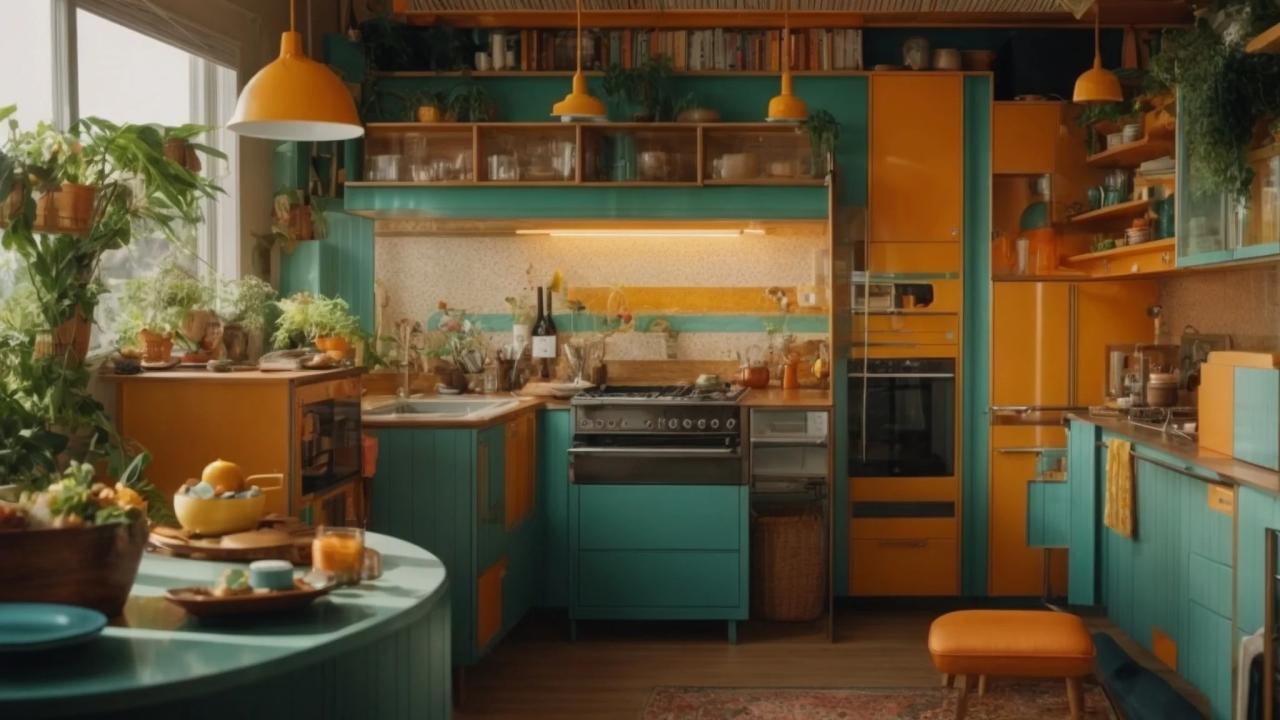
Compact living, a lifestyle increasingly embraced by urban dwellers, presents a unique blend of challenges and rewards. This approach to urban habitation necessitates creative space optimization, thoughtful design choices, and a mindful consideration of the social and environmental implications. This guide explores the multifaceted nature of compact living, from practical tips for maximizing space to the psychological benefits and societal impact of choosing a smaller footprint in a bustling city.
We delve into various aspects, including space-saving techniques, furniture selection, technological solutions, and the long-term sustainability of this increasingly popular lifestyle. Whether you’re considering downsizing, navigating a smaller apartment, or simply curious about the trend, this exploration offers valuable insights and practical strategies for thriving in a compact urban environment.
Defining Compact Living for Urban Dwellers
Compact living, in the context of urban dwelling, refers to a lifestyle choice characterized by inhabiting smaller living spaces than traditionally considered the norm. This often involves intentional downsizing, prioritizing functionality and efficient space utilization over sheer square footage. The rising cost of urban real estate and a growing awareness of environmental sustainability are key drivers behind its increasing popularity.Compact living presents a unique set of advantages and disadvantages for urban residents.
The benefits frequently outweigh the challenges for many, leading to its widespread adoption.
Benefits and Challenges of Compact Living
The advantages of compact living are numerous. Reduced housing costs are a significant draw, freeing up financial resources for other priorities such as travel, experiences, or investments. Smaller spaces also typically require less energy for heating and cooling, contributing to lower utility bills and a smaller carbon footprint. Furthermore, the inherent organization and minimalism often associated with compact living can lead to reduced stress and a greater sense of calm.
However, compact living also presents challenges. Space limitations can necessitate creative storage solutions and careful consideration of furniture choices. Privacy can be a concern, particularly for families or those who work from home. The lack of space may also limit the ability to host large gatherings or accommodate personal hobbies requiring significant space.
Comparison with Traditional Suburban Living
Compact living in urban areas contrasts sharply with traditional suburban living arrangements. Suburban homes typically offer significantly more space, often including multiple bedrooms, large yards, and dedicated spaces for specific activities. This spaciousness comes at a cost, however, often involving longer commutes, higher energy consumption, and increased financial burdens associated with property taxes and maintenance. Compact living prioritizes proximity to urban amenities, walkability, and a smaller environmental footprint, while suburban living often emphasizes privacy, individual space, and car dependency.
For example, a family living in a 2000 square foot suburban home might find themselves spending significant time and money commuting to work and other activities, while a similar family in a 700 square foot urban apartment might enjoy easier access to public transportation, shops, and cultural events. The trade-off lies in the balance between space and convenience, a decision heavily influenced by individual lifestyle preferences and priorities.
Space Optimization Techniques
Maximizing space in a compact urban dwelling requires a strategic approach to design, organization, and the clever use of visual illusions. Efficient space planning and thoughtful furniture choices are crucial for creating a comfortable and functional living environment, even within limited square footage. This section explores various techniques to achieve this.
Compact Apartment Floor Plan
The following floor plan demonstrates how to maximize space in a 400 square foot apartment. This design prioritizes multi-functional furniture and efficient traffic flow. Imagine a rectangular space, approximately 20ft x 20ft.
| Area | Furniture/Features | Multi-functional Suggestions | Notes |
|---|---|---|---|
| Living Area | Sofa bed, coffee table with storage, small rug | Sofa bed for sleeping and seating; coffee table with drawers or lift-top for extra storage | Prioritize natural light here. |
| Kitchen | Compact kitchen island with sink and cooktop, wall-mounted shelving | Island with integrated storage, fold-down counter extension | Maximize vertical space with shelving. |
| Bedroom | Murphy bed, built-in wardrobe | Murphy bed to free up floor space during the day; wardrobe with mirrored doors to enhance the sense of space | Keep the bedroom minimally furnished. |
| Bathroom | Shower over bath, floating vanity | Utilize wall space for storage; consider a corner shower to save space | Maximize vertical space for storage. |
Organizing and Storing Items in Small Spaces
Effective organization is paramount in compact living. These tips help maximize storage and maintain a clutter-free environment.
Implementing these strategies ensures efficient use of available space and contributes to a more organized and less cluttered living environment.
- Vertical Space Maximization: Utilize shelving units, wall-mounted organizers, and overhead storage to store items vertically, freeing up floor space.
- Multi-functional Furniture: Invest in furniture with built-in storage, such as ottomans with storage compartments, beds with drawers, and coffee tables with shelves.
- Decluttering Regularly: Regularly declutter your belongings, discarding or donating items you no longer need or use. A minimalist approach helps tremendously.
- Strategic Storage Solutions: Use under-bed storage containers, drawer organizers, and vacuum-sealed bags to maximize storage capacity in existing furniture.
- Hidden Storage: Utilize space behind doors, under stairs (if applicable), or in unused corners with cleverly designed storage solutions.
Creating the Illusion of Spaciousness
Visual tricks can significantly impact the perceived size of a small space. These techniques leverage color, lighting, and mirrors to create an airy and open feel.
These techniques, when used in combination, can dramatically transform the perception of space, making a compact apartment feel significantly larger and more inviting.
- Light and Bright Color Palette: Use light and neutral colors on walls and floors to reflect light and create a sense of spaciousness. Avoid dark or heavily saturated colors.
- Strategic Lighting: Incorporate multiple light sources, including ambient, task, and accent lighting, to create a well-lit and airy atmosphere. Avoid harsh overhead lighting.
- Mirrors: Strategically placed mirrors can visually expand the space by reflecting light and creating depth. A large mirror on a wall can double the perceived size of a room.
- Minimalist Decor: Avoid cluttering the space with excessive furniture or decorations. A minimalist approach with carefully selected pieces creates a more open and airy feel.
Furniture and Design Considerations
Creating a functional and aesthetically pleasing space in a compact urban dwelling requires careful consideration of furniture and design choices. The right pieces, materials, and overall style can dramatically impact the feel and livability of your home, transforming a small space from cramped to comfortable. Effective space planning and mindful selection are key to maximizing both functionality and visual appeal.
Selecting the right furniture is paramount in compact living. Multi-functional pieces are essential to optimize space and avoid clutter. Prioritizing quality over quantity is crucial; fewer, well-chosen items are far more effective than a collection of unnecessary pieces.
Essential Furniture for Compact Living
The following list Artikels essential furniture pieces, emphasizing multi-functional designs to maximize space and utility in smaller urban dwellings. Consider the specific needs of your lifestyle when making selections.
- Sofa Bed: A sofa that converts into a bed provides both seating and sleeping space, ideal for small apartments or studios.
- Storage Ottoman: Provides seating while concealing storage space for blankets, pillows, or other items.
- Murphy Bed: A wall-mounted bed that folds away during the day, freeing up valuable floor space.
- Nesting Tables: A set of tables that can be nested inside each other when not in use, saving space when needed.
- Vertical Storage Units: Tall, narrow shelving units or wardrobes maximize vertical space, minimizing floor footprint.
- Fold-Away Desk: A desk that folds flat against a wall when not in use, perfect for home offices in compact spaces.
Material and Finish Selection for Compact Spaces
The materials and finishes used in a compact space significantly influence the overall atmosphere and sense of spaciousness. Light and reflective surfaces create an illusion of more space, while darker colors can make a room feel smaller. Careful consideration of these factors can enhance the visual appeal and functionality of the space.
Light-colored walls and flooring create a sense of openness and airiness. Glossy or high-sheen finishes reflect light, further enhancing this effect. Using mirrors strategically can also help to visually expand the space. Conversely, dark colors, while potentially stylish, can make a room feel smaller and more enclosed. Natural materials such as light wood and bamboo can add warmth and texture without overwhelming the space.
Avoid using too many different textures or patterns, as this can make the space feel cluttered.
Comparison of Interior Design Styles for Compact Living
Different interior design styles offer varying approaches to maximizing space and creating a visually appealing environment in compact living. Each style has its own set of advantages and disadvantages, and the best choice depends on personal preferences and lifestyle.
| Design Style | Pros | Cons |
|---|---|---|
| Minimalism | Clean lines, maximizes space, promotes calmness | Can feel stark or impersonal without careful styling |
| Scandinavian | Light and airy, uses natural materials, functional | Can be expensive, requires careful curation of pieces |
| Japanese | Emphasis on simplicity, functionality, and natural elements | Requires a disciplined approach to decluttering and organization |
| Modern | Clean lines, functionality, adaptable to various color palettes | Can feel cold or impersonal without warm accents |
Technological Solutions for Compact Living
Smart home technology offers significant advantages for urban dwellers in compact living spaces, enhancing functionality, convenience, and overall quality of life. By integrating various technological solutions, residents can maximize the limited space available and create a more efficient and comfortable living environment. This integration seamlessly blends technology with design, resulting in a modern and practical living experience.Smart home technology plays a crucial role in optimizing space management and organization within compact homes.
These technologies offer solutions for storage, accessibility, and overall efficiency, transforming even the smallest spaces into functional and comfortable homes. Through careful planning and integration, technology can address common challenges associated with compact living and create a more streamlined and enjoyable living experience.
Smart Storage Solutions
Many smart storage solutions exist to maximize limited space. Automated storage systems, such as robotic storage units, can retrieve items on demand, eliminating the need for extensive manual searching and maximizing vertical space. Smart shelves and cabinets with integrated sensors can track inventory, alerting users when items are running low or when reorganization is needed. These systems improve space utilization and streamline daily routines.
Imagine a system where you voice-command a specific item, and a robotic arm retrieves it from a hidden compartment. This eliminates the need for bulky, space-consuming shelving units.
Space-Saving Appliances and Furniture
Compact living benefits greatly from space-saving appliances and furniture. Fold-away beds, Murphy beds, and convertible furniture transform rooms instantly. Smart refrigerators with inventory tracking and ordering capabilities reduce the need for large pantries. Compact washing machines and dryers, or even combined washer-dryer units, save significant space compared to traditional models. These appliances are designed to maximize efficiency and functionality within smaller spaces.
For example, a refrigerator that automatically orders groceries based on its inventory tracking would significantly reduce the need for large, space-consuming pantries.
Smart Home Automation Systems
Smart home automation systems significantly improve the functionality and convenience of compact living spaces. Automated lighting systems adjust brightness and color temperature based on time of day or occupancy, creating a more comfortable and energy-efficient environment. Smart thermostats learn user preferences and optimize heating and cooling schedules, reducing energy waste and improving comfort. Integrated security systems provide peace of mind and enhance safety in compact spaces.
A centrally controlled system can automate lighting, temperature, and security, making life simpler and more convenient. For instance, imagine leaving home and having the system automatically turn off lights, lower the thermostat, and arm the security system, all with a single command.
Apps and Software for Organization and Planning
Several apps and software programs assist with organization and planning in compact living spaces. These digital tools provide features for creating floor plans, visualizing furniture arrangements, and tracking inventory. They can also help users plan and optimize storage solutions, manage household budgets, and even connect with local service providers. Examples include apps that allow users to create 3D models of their homes, experiment with different furniture arrangements, and visualize storage solutions before implementing them.
This allows for better planning and efficient use of space.
Compact Living and Sustainability
Compact living offers significant environmental advantages, contributing to a more sustainable future by minimizing resource consumption and reducing the overall impact on the planet. By embracing smaller living spaces, urban dwellers can actively participate in mitigating climate change and promoting responsible urban development.The environmental benefits of compact living are multifaceted and directly linked to reduced resource usage. Smaller homes naturally require fewer materials for construction, leading to decreased carbon emissions during the manufacturing and transportation processes.
Less space also translates to less energy needed for heating, cooling, and lighting, significantly lowering energy consumption and reducing reliance on fossil fuels.
Reduced Energy Consumption and Carbon Footprint
Compact living inherently leads to lower energy consumption. Smaller spaces require less energy for heating and cooling, a major contributor to household carbon footprints. For example, a smaller apartment will require a less powerful heating and cooling system compared to a larger house, leading to substantial energy savings. Furthermore, reduced space translates to less lighting needed, further minimizing energy usage.
Studies have shown that smaller homes consistently consume less energy per square foot than larger homes, contributing to a lower carbon footprint for their inhabitants. This reduced energy demand lessens the strain on power grids and diminishes reliance on environmentally damaging energy sources.
Compact Living and Sustainable Urban Development
Compact living is intrinsically linked to sustainable urban development. By encouraging higher population densities in smaller living spaces, compact living reduces urban sprawl, preserving green spaces and natural habitats. This approach also promotes efficient use of infrastructure such as transportation, water, and sanitation systems, minimizing environmental impact. The proximity of compact living arrangements to urban amenities reduces reliance on private vehicles, promoting walking, cycling, and the use of public transport, thus lowering greenhouse gas emissions from transportation.
The concentration of people in smaller areas also allows for more efficient allocation of resources and services, fostering a more sustainable and resilient urban environment. Cities like Hong Kong, known for its high-density living, demonstrate the potential of compact living to support large populations within a limited geographical area while maintaining a vibrant urban life.
Illustrative Examples of Compact Living Spaces
Compact living doesn’t mean sacrificing style or comfort. Many innovative designs demonstrate how functionality and aesthetic appeal can coexist even in the smallest of spaces. The following examples showcase diverse approaches to maximizing space and creating inviting, personalized homes within limited square footage.
A Parisian-Style Studio Apartment
This 300-square-foot studio apartment in a renovated Parisian building embodies elegance and efficiency. The color scheme is predominantly neutral, featuring soft greys and whites, accented by warm wood tones and pops of deep blue in the textiles. Natural light floods the space through a large, arched window, maximizing the sense of openness. Clever storage solutions are integrated seamlessly into the design.
A built-in Murphy bed folds away during the day, revealing a comfortable sitting area. Custom-designed shelving units, painted the same color as the walls, provide ample storage for clothes and books, minimizing visual clutter. A small, well-organized kitchen area, separated by a stylish room divider, utilizes vertical space effectively with tall, narrow cabinets. The bathroom, though compact, includes a rainfall showerhead and a floating vanity, enhancing the sense of spaciousness.
A Modern Minimalist Micro-apartment
This 250-square-foot micro-apartment in a modern high-rise building embraces a minimalist aesthetic. The color palette is restricted to shades of white, grey, and black, creating a clean and uncluttered feel. Built-in lighting fixtures are strategically placed to highlight key features and create a warm, inviting atmosphere. Multifunctional furniture is key to the design. A sofa converts into a bed, and a coffee table features built-in storage.
A compact kitchen, equipped with sleek, space-saving appliances, is integrated into the living area. Storage is maximized through the use of vertical shelving units and under-bed storage solutions. The bathroom is designed with a walk-in shower and a wall-mounted toilet to optimize space. The overall effect is one of calm and sophistication.
A Scandinavian-Inspired Loft Conversion
This 400-square-foot loft conversion showcases the charm of Scandinavian design within a compact space. The color palette features light wood tones, crisp whites, and pops of muted greens and blues. Large windows provide ample natural light, making the space feel airy and spacious. The open-plan layout seamlessly integrates the living, dining, and sleeping areas. A platform bed with integrated drawers provides both sleeping space and ample storage.
Custom-built shelving units are incorporated into the walls, providing additional storage without overwhelming the space. The kitchen is compact but functional, featuring a minimalist design with integrated appliances and clever storage solutions. The bathroom is designed with a focus on functionality and minimalism, featuring a clean, modern aesthetic.
Compact Kitchen Design
This compact kitchen boasts a galley-style layout, maximizing efficiency. The countertops are made of sleek white quartz, providing a clean and modern look. Cabinets extend to the ceiling, maximizing vertical storage. A pull-out pantry system cleverly utilizes otherwise wasted space. Under-cabinet lighting enhances visibility and creates a warm atmosphere.
Built-in appliances, such as a compact dishwasher and microwave, save space without compromising functionality. A small, but stylish, island provides additional counter space and a place for casual dining.
Compact Bathroom Design
This compact bathroom utilizes a walk-in shower with a glass enclosure to maximize the sense of spaciousness. A wall-hung vanity and toilet minimize floor space and create a clean look. A mirrored medicine cabinet provides ample storage for toiletries, while also reflecting light to make the space feel larger. A recessed shelf provides additional storage space without cluttering the walls.
The color scheme consists of neutral tones, such as white and grey, to create a calm and relaxing atmosphere. The lighting is soft and diffused, creating a spa-like ambiance.
Exploring the Future of Compact Living
The future of compact living is inextricably linked to evolving urban landscapes, technological advancements, and shifting societal values. As cities become denser and more expensive, the demand for efficient and stylish small-space living will only intensify. This necessitates innovative design solutions and technological integrations that not only maximize space but also enhance the quality of life for urban dwellers.Predicting the precise trajectory of compact living is challenging, but several trends are already emerging.
These trends are driven by a confluence of factors, including population growth, climate change concerns, and a growing awareness of the environmental impact of our living choices.
Future Trends and Innovations in Compact Living Design and Technology
We can anticipate a surge in modular and adaptable furniture systems. Imagine furniture that transforms from a sofa into a bed, or a dining table that folds away into a wall unit. This will be facilitated by advancements in smart materials and robotics, enabling furniture to change shape and function on demand. Furthermore, expect to see a rise in the use of augmented reality (AR) and virtual reality (VR) to enhance the perceived spaciousness of compact living spaces.
AR overlays could project virtual windows or landscapes onto the walls, creating the illusion of a larger environment, while VR could offer immersive escape experiences. Finally, advancements in vertical farming and integrated hydroponic systems will allow for the incorporation of fresh produce cultivation within the living space itself, addressing both food security and environmental sustainability.
Challenges and Opportunities in Evolving Urban Landscapes
The increasing density of urban areas presents both challenges and opportunities for compact living. Challenges include the need for effective infrastructure to support a high population density, such as efficient waste management systems and reliable public transportation. Opportunities include the potential for creating vibrant and interconnected communities within compact living developments, fostering a sense of belonging and shared resources.
The integration of compact living spaces into mixed-use developments, combining residential units with commercial spaces and community facilities, is another key opportunity. This can alleviate pressure on transportation infrastructure and promote social interaction. For example, the creation of shared workspaces, community gardens, and rooftop recreational areas within compact living complexes can significantly enhance the overall quality of life.
Influence of Evolving Societal Values and Priorities
A shift towards minimalism and sustainable living is profoundly influencing the future of compact living. Consumers are increasingly prioritizing experiences over material possessions, leading to a demand for multi-functional spaces that can adapt to changing needs. The focus on sustainability is driving the adoption of eco-friendly building materials, energy-efficient appliances, and water-saving technologies in compact living spaces. This aligns with a broader societal trend toward environmental consciousness and a desire to reduce one’s carbon footprint.
The rise of the “sharing economy” further contributes to this trend, promoting the use of shared resources and minimizing individual consumption. Examples of this include shared laundry facilities, communal bike-sharing programs, and co-working spaces integrated into compact living developments.
Compact Living
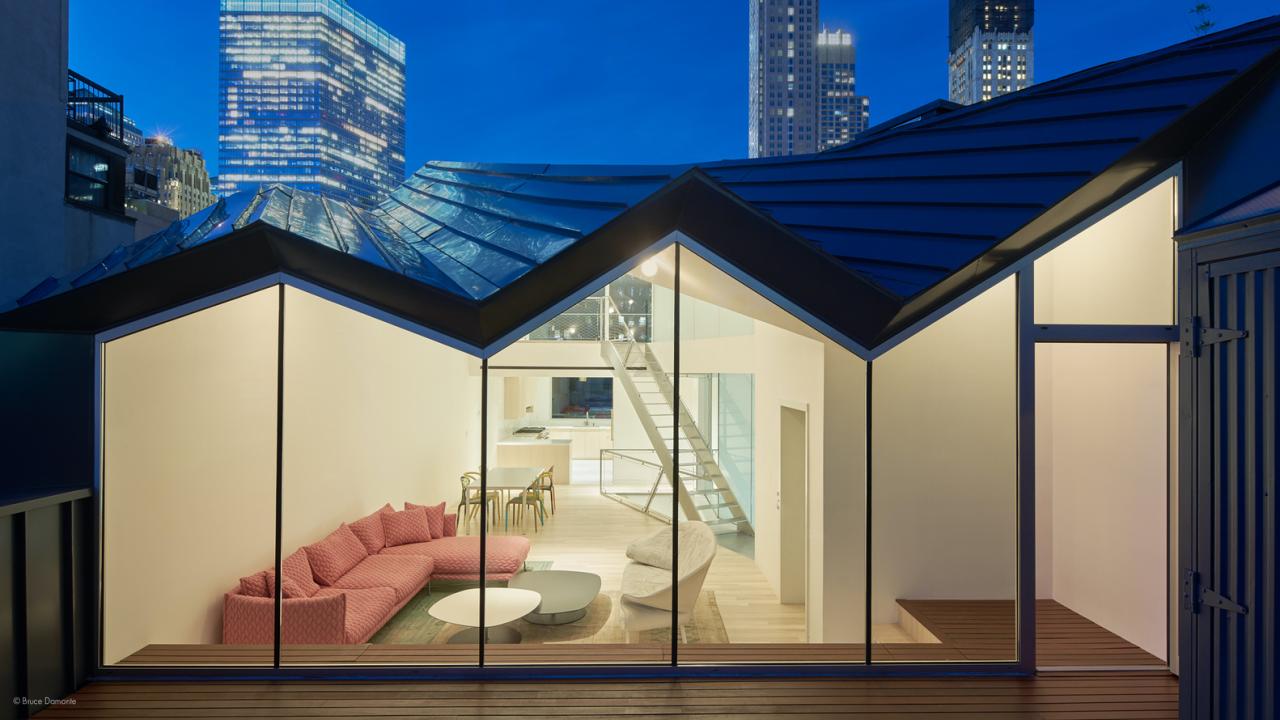
Compact living, the art of maximizing functionality within minimized spaces, has evolved from a necessity in densely populated areas to a conscious lifestyle choice embraced globally. This shift reflects changing societal values, economic pressures, and growing environmental awareness. This section delves into a comprehensive examination of compact living, exploring its historical context, current trends, future potential, and its multifaceted impact on individuals, urban landscapes, and economic systems.
A Historical Perspective on Compact Living
Compact living isn’t a modern invention; its roots are deeply embedded in historical urban contexts. From the densely packed tenements of 19th-century industrial cities to the traditional Japanese “machiya” houses, resourceful space-saving strategies have always been a feature of urban life. These historical examples demonstrate an adaptability and ingenuity in addressing limited space, often resulting in innovative architectural and design solutions that remain relevant today.
The rise of high-rise apartment buildings in the 20th century further cemented compact living as a significant aspect of urban development, particularly in rapidly growing metropolitan areas. These developments often included shared amenities and communal spaces to compensate for the reduced individual living area.
Current Trends in Compact Living
Current trends in compact living are characterized by a sophisticated blend of functionality, aesthetics, and sustainability. Micro-apartments, studio apartments, and co-living spaces are increasingly popular choices, reflecting a shift towards prioritizing experiences over material possessions. Technological advancements, such as smart home technology and multi-functional furniture, play a crucial role in optimizing space and enhancing the quality of life in compact living environments.
The integration of sustainable design principles, such as energy-efficient appliances and natural light maximization, further contributes to the appeal of compact living as an environmentally responsible lifestyle choice. The rise of “tiny house” movements also demonstrates a growing interest in minimizing environmental impact through reduced consumption and smaller living spaces.
Future Prospects of Compact Living
The future of compact living is likely to be shaped by technological innovation, evolving urban planning strategies, and a growing awareness of environmental sustainability. Advancements in robotics, automation, and artificial intelligence could further enhance space optimization and create more efficient living environments. Urban planning initiatives focused on increasing density and promoting mixed-use developments will continue to drive the demand for compact living spaces.
Furthermore, the integration of sustainable technologies and materials will play a crucial role in creating environmentally responsible and energy-efficient compact living solutions. Examples of these future trends include the development of self-sufficient modular units and the integration of vertical farming techniques into urban residential spaces.
Economic Implications of Compact Living
Compact living has significant economic implications for both individuals and urban development. For individuals, it can lead to reduced housing costs, lower utility bills, and less expenditure on furniture and household items. However, it can also present challenges, such as the need for careful budgeting and efficient space management. For urban development, compact living contributes to increased land-use efficiency, reduced urban sprawl, and potentially lower infrastructure costs.
This can lead to more affordable housing options and improved accessibility to urban amenities, although careful planning is needed to avoid overcrowding and strain on existing services. The economic benefits of compact living can be substantial, especially in rapidly growing urban centers where land is scarce and expensive. For example, a reduction in commute times due to increased housing density in city centers can translate into increased productivity and economic output.
Impact on Urban Infrastructure and City Planning
Compact living significantly impacts urban infrastructure and city planning. Increased population density requires efficient public transportation systems, improved waste management strategies, and adequate provision of essential services such as healthcare and education. Successful compact living initiatives necessitate careful consideration of infrastructure capacity and the potential strain on existing resources. Smart city technologies, such as intelligent traffic management systems and real-time data analysis, can play a crucial role in optimizing urban infrastructure and ensuring efficient service delivery in high-density environments.
Examples include the implementation of bike-sharing programs and the development of green spaces within densely populated areas to mitigate the potential negative impacts of increased density. Effective city planning is paramount to ensuring that compact living enhances, rather than detracts from, the overall quality of urban life.
Ultimately, compact living for urban dwellers represents more than just a trend; it’s a conscious choice reflecting evolving values and priorities. By embracing innovative design solutions, adopting sustainable practices, and fostering a sense of community, individuals can create fulfilling and comfortable lives within smaller spaces, contributing positively to the urban landscape. This guide has illuminated the path towards efficient, stylish, and sustainable compact living, proving that size isn’t everything when it comes to creating a thriving urban home.
Questions Often Asked
What are the financial benefits of compact living?
Lower rent or mortgage payments, reduced utility bills (heating, cooling, etc.), and less expenditure on furniture and maintenance are common financial advantages.
How do I deal with limited storage in a compact apartment?
Utilize vertical space with shelving, invest in multi-functional furniture (e.g., ottomans with storage), and regularly declutter to maintain a tidy space. Consider off-site storage for less frequently used items.
Can compact living be suitable for families?
Yes, with careful planning and space-saving strategies. Loft beds, bunk beds, and built-in storage can maximize space for families in compact living situations. Prioritizing shared spaces and flexible furniture is key.
Is compact living environmentally friendly?
Yes, smaller homes generally require less energy for heating and cooling, reducing carbon footprints. Less material is used in construction, and less waste is generated due to smaller living spaces.


