
The allure of tiny home living continues to captivate, offering a blend of minimalist aesthetics and sustainable practices. This exploration delves into the creative design solutions that maximize space, incorporate eco-friendly materials, and celebrate unique architectural styles. From innovative storage solutions to globally inspired designs, we uncover the artistry and practicality behind crafting comfortable and functional tiny homes.
We’ll examine various aspects of tiny home design, including space optimization techniques, sustainable building materials, and the practical considerations of adopting a minimalist lifestyle. The journey will encompass diverse architectural styles, creative color palettes, and the integration of renewable energy sources, ultimately providing a comprehensive overview of this increasingly popular movement.
Exploring Tiny Home Aesthetics
Tiny homes, while compact, offer a surprising breadth of aesthetic possibilities. Their small footprint necessitates thoughtful design choices, leading to creative and often stunning results. By carefully considering exterior architecture and interior design schemes, homeowners can craft spaces that are both functional and visually appealing, reflecting their personal style and maximizing the limited square footage.
Diverse Tiny Home Exterior Designs
The exterior of a tiny home sets the overall tone. A well-designed exterior can enhance curb appeal and create a welcoming atmosphere. The following table showcases four distinct architectural styles, demonstrating the versatility of tiny home design.
| Modern | Rustic | Farmhouse | Industrial |
|---|---|---|---|
| Imagine a sleek, minimalist design with clean lines, large windows to maximize natural light, and a metal or composite siding in a neutral color like gray or white. A flat roof adds to the contemporary feel. | Picture a cozy cabin-like structure with natural wood siding, a steeply pitched roof, and possibly a stone or brick foundation. A small porch with rocking chairs would complete the rustic charm. | Envision a charming home with white or light-colored clapboard siding, black window frames, and perhaps a small, covered porch with decorative details. A gable roof and strategically placed flower boxes add to the classic farmhouse appeal. | Think exposed brick or metal accents, large industrial-style windows, and a simple, functional design. The color palette might include muted grays, blacks, and metallic accents. |
Interior Design Schemes for Tiny Homes
Effective interior design in a tiny home focuses on maximizing space and light. Three distinct schemes demonstrate how this can be achieved.
The first scheme, “Minimalist Modern,” emphasizes clean lines, neutral colors, and multi-functional furniture. Think light wood flooring, white walls, and simple, sleek furniture pieces that serve multiple purposes (e.g., a sofa bed, ottomans with storage). Natural light is maximized through large windows and strategically placed mirrors.
The second scheme, “Rustic Cozy,” incorporates natural materials like wood and stone, warm earth tones, and comfortable textures. A wood-burning stove provides both heat and a focal point, while cozy textiles like throws and rugs add warmth and personality. Built-in shelving and storage maximize space.
The third scheme, “Scandinavian Bright,” features a light and airy aesthetic with white walls, light wood accents, and pops of color. The focus is on simplicity and functionality, with furniture that is both stylish and space-saving. Natural light is maximized through large windows and skylights, creating a bright and cheerful atmosphere.
Creative Use of Color Palettes and Textures
Color and texture play a crucial role in enhancing the sense of spaciousness in a tiny home. Light and neutral colors, such as whites, creams, and pastels, visually expand the space, while strategic use of darker colors in accent walls or furniture can add depth and interest without overwhelming the room. Textured elements, like a plush rug or woven wall hangings, can add visual interest and warmth without cluttering the space.
For instance, a light grey wall with a textured linen wallpaper can create a sense of calm and spaciousness, while a small accent wall painted a deep teal can add a pop of color without feeling cramped. Using mirrors strategically can also significantly increase the feeling of spaciousness by reflecting light and visually expanding the area.
Space Optimization Techniques in Tiny Home Design
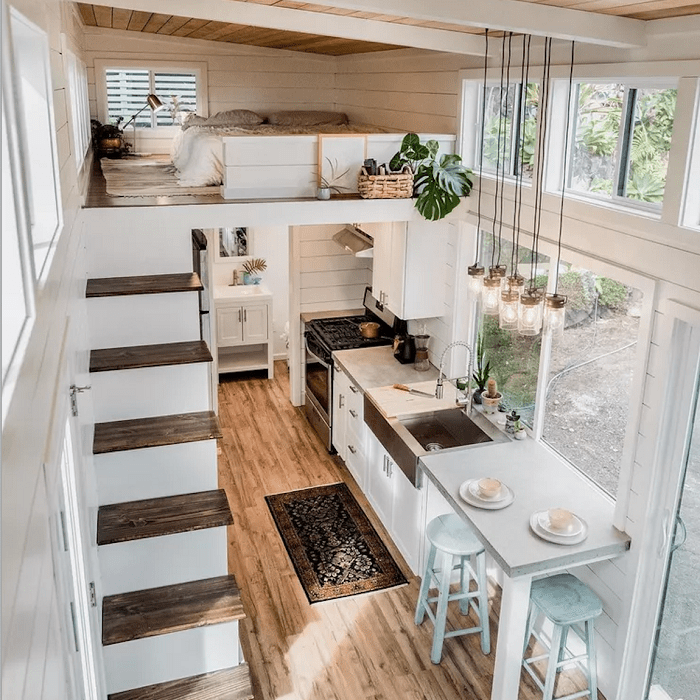
Efficient space utilization is paramount in tiny home design. Maximizing functionality within a limited square footage requires careful planning and the creative incorporation of multi-functional furniture and clever storage solutions. This section explores various techniques to achieve this.
The limited space in a tiny home necessitates innovative approaches to furniture design. Multi-functional pieces are essential for optimizing space and maintaining a comfortable living environment. They seamlessly integrate several functions into a single unit, eliminating the need for multiple, space-consuming items.
Multi-functional Furniture in Tiny Homes
Several methods allow for the seamless integration of multi-functional furniture, maximizing the utility of every square inch. These methods are crucial for creating a comfortable and efficient living space within the constraints of a tiny home.
- Murphy Beds: These fold-away beds are a classic space-saving solution, transforming a living area into a bedroom at night. Many designs incorporate storage within the bed frame itself.
- Sofa Beds: Combining seating and sleeping functionality, sofa beds offer versatility and eliminate the need for a separate sofa and bed.
- Ottoman Storage: Ottomans with built-in storage provide extra seating and a concealed space for blankets, pillows, or other items.
- Lift-Top Coffee Tables: These tables feature a lift-up top, revealing storage space underneath, ideal for keeping games, books, or remotes readily accessible but out of sight.
- Ladder-access lofts with built-in storage: The space under the sleeping loft can be utilized for storage, and the ladder itself can often be designed to fold away when not in use.
Storage Solutions for Compact Living
Strategic storage is critical in a tiny home. The right storage solutions can significantly impact the overall organization and livability of the space. Careful consideration should be given to both the advantages and disadvantages of various options.
| Storage Solution | Advantages | Disadvantages |
|---|---|---|
| Vertical Shelving | Maximizes vertical space, provides ample storage, visually appealing | Can feel cluttered if not organized carefully, may require reaching high |
| Under-bed Storage | Utilizes often-wasted space, great for seasonal items or bulky items | Access can be difficult, requires lifting items in and out |
| Built-in Cabinets | Customizable to fit the space perfectly, often more durable than freestanding units | Can be expensive to install, less flexible than freestanding units |
| Wall-mounted shelves | Space-saving, visually appealing, easy to install | Limited storage capacity per shelf, may not be suitable for heavy items |
| Drawers integrated into stairs | Efficient use of otherwise dead space, easily accessible | Requires careful planning during construction |
Efficient Tiny Home Floor Plan
This floor plan prioritizes efficient space usage by integrating the kitchen, bathroom, living area, and sleeping loft seamlessly. Dimensions are approximate and can be adjusted based on individual needs and site constraints.
Dimensions: 20ft x 8ft (160 sq ft)
Layout Description: The entry leads into a combined living and kitchen area (10ft x 8ft). The kitchen features a compact galley-style layout with a small sink, two-burner cooktop, and minimal counter space. Opposite the kitchen is a comfortable seating area with a small sofa. A built-in staircase leads to a sleeping loft (10ft x 8ft) above the living area.
A small bathroom (4ft x 4ft) is tucked away next to the stairs, featuring a shower, toilet, and small vanity. Underneath the stairs is additional storage. The loft provides a private sleeping area. The use of vertical space is key, maximizing the overall functionality of the small space.
Sustainable and Eco-Friendly Tiny Home Design
The burgeoning popularity of tiny homes presents a unique opportunity to minimize our environmental footprint. By embracing sustainable building practices and integrating renewable energy sources, tiny home design can significantly reduce its carbon impact and promote a more environmentally responsible lifestyle. This section explores the key aspects of creating truly eco-friendly tiny homes.
Sustainable Building Materials for Tiny Homes
Choosing sustainable materials is paramount in eco-friendly tiny home construction. These materials reduce the environmental burden associated with manufacturing and transportation, while often offering superior durability and longevity.
- Reclaimed Wood: Using reclaimed wood from demolished buildings or salvaged lumber reduces deforestation and minimizes waste. The character and unique patina of reclaimed wood add significant aesthetic appeal, too. A classic example is using reclaimed barn wood for interior walls or flooring.
- Bamboo: A rapidly renewable resource, bamboo is incredibly strong, lightweight, and aesthetically pleasing. It can be used for flooring, wall panels, and even structural components, offering a sustainable alternative to traditional lumber.
- Recycled Steel: Recycled steel is a strong, durable, and readily available material. Its use significantly reduces the energy consumption associated with steel production compared to using newly manufactured steel. It’s ideal for framing or creating robust, long-lasting features.
- Hempcrete: A mixture of hemp hurds (the woody core of the hemp plant), lime, and water, hempcrete is a highly insulating, breathable, and carbon-negative building material. It offers excellent thermal performance and contributes to a healthier indoor environment.
- Straw Bales: Straw bales, a readily available agricultural byproduct, provide excellent insulation and can be used in wall construction, although they require proper protection from the elements.
Renewable Energy Integration in Tiny Homes
Integrating renewable energy sources is a crucial step towards creating a truly self-sufficient and eco-friendly tiny home. Solar and wind power are the most practical options for off-grid or low-impact living.
- Solar Power: Photovoltaic (PV) solar panels convert sunlight directly into electricity. The size of the solar array depends on energy consumption needs and available sunlight. A well-designed system can significantly reduce or eliminate reliance on the grid. For example, a 3kW solar panel system could power a small tiny home effectively, especially with energy-efficient appliances.
- Wind Power: Small-scale wind turbines can supplement solar power, particularly in areas with consistent wind. However, wind turbines require sufficient wind speed and careful placement to be effective. Their aesthetic impact should also be considered.
Energy Efficiency Design Considerations for Tiny Homes
Maximizing energy efficiency is key to minimizing the environmental impact of a tiny home and reducing operational costs. Insulation and passive solar design play crucial roles.
- Insulation: Proper insulation is essential for maintaining a comfortable indoor temperature year-round, reducing the need for heating and cooling. High-performance insulation materials, such as cellulose, spray foam, or mineral wool, are effective in minimizing energy loss through walls, floors, and ceilings. For instance, using R-30 insulation in walls significantly reduces heat transfer.
- Passive Solar Design: Passive solar design utilizes the sun’s energy to heat and light the home. Strategic window placement maximizes solar gain in winter and minimizes it in summer. Overhangs, awnings, and strategically planted trees can further regulate solar heat gain. A south-facing window (in the Northern Hemisphere) can dramatically reduce heating needs during winter months.
Compact Living
Embracing a tiny home lifestyle necessitates a significant shift in perspective, demanding a mindful approach to both possessions and living space. This transition presents unique challenges and rewards, shaping a lifestyle defined by intentionality and resourcefulness. The journey from conventional living to compact living is a process of adaptation and prioritization, ultimately leading to a more streamlined and often more fulfilling existence.The minimalist lifestyle inherent in tiny home living offers numerous benefits, but also presents considerable hurdles.
Successfully navigating this transition requires careful planning and a willingness to embrace change. The rewards, however, often outweigh the challenges, fostering a sense of freedom and simplicity that many find profoundly enriching. The key lies in finding a balance between practicality and personal fulfillment.
Challenges and Rewards of Minimalist Living in Tiny Homes
Minimalist living, a cornerstone of tiny home dwelling, involves a conscious reduction of material possessions. This simplifies daily life, reducing clutter and the time spent managing belongings. However, the process of decluttering and maintaining a minimalist lifestyle can be emotionally challenging for some, requiring a significant shift in mindset and potentially necessitating difficult decisions regarding cherished items. The rewards, however, include increased financial freedom, reduced stress from managing excess possessions, and a greater appreciation for experiences over material goods.
The space saved can be repurposed for activities or hobbies, enhancing the quality of life. This deliberate simplicity often fosters a greater sense of peace and contentment.
Potential Drawbacks of Tiny Home Living and Mitigation Strategies
Several practical considerations may arise when adopting a tiny home lifestyle. Careful planning and creative solutions can effectively mitigate these challenges.
- Limited Storage Space: Tiny homes inherently lack ample storage. Solutions include utilizing vertical space with shelving and multi-functional furniture, employing under-bed storage, and strategically choosing items with built-in storage. Regular decluttering also remains crucial.
- Privacy Concerns: The compact nature of tiny homes can impact privacy, particularly for families or couples. Clever use of room dividers, curtains, and strategically placed furniture can create distinct zones and enhance privacy. Careful consideration of the home’s layout during the design phase is essential.
- Guest Accommodation: Accommodating guests can be challenging. Pull-out sofas, Murphy beds, or loft areas can maximize space and provide sleeping arrangements for visitors. Alternatively, encouraging guests to stay elsewhere can alleviate pressure on limited space.
- Bathroom Limitations: Tiny home bathrooms are often compact. Space-saving fixtures, such as a shower stall instead of a bathtub, and well-designed storage solutions can mitigate this issue. Prioritizing functionality over luxury in the bathroom design is crucial.
Legal and Logistical Aspects of Tiny Home Ownership
Navigating the legal and logistical aspects of tiny home ownership is crucial for a successful transition. Zoning regulations vary significantly between locations, and understanding local ordinances is paramount before purchasing or building a tiny home. Site selection is also critical; finding suitable land that permits tiny home occupancy and meets individual needs can be challenging. Some jurisdictions may require tiny homes to meet the same building codes as larger houses, while others offer alternative regulations specifically for tiny homes.
Securing financing for a tiny home can also be more difficult than traditional mortgages, as many lenders are unfamiliar with this type of housing. Careful research and consultation with legal professionals are recommended.
Tiny Home Design Inspiration from Around the World
Tiny homes, while compact, offer a unique opportunity to explore diverse architectural styles and design philosophies from around the globe. By drawing inspiration from traditional building techniques and cultural aesthetics, we can create tiny homes that are not only functional and sustainable but also culturally rich and visually stunning. This section will explore three distinct tiny home designs inspired by global architectural styles, analyze their spatial organization and design philosophies, and demonstrate how traditional building techniques can be adapted for contemporary tiny home construction.
Globally Inspired Tiny Home Designs
The following examples illustrate how diverse architectural traditions can inform the design of contemporary tiny homes. Each design incorporates key features that reflect its cultural origins while adapting them to the needs of modern compact living.
Japanese Minimalist Tiny Home
Imagine a tiny home clad in natural cedar wood, its dark brown tones contrasting beautifully with the surrounding greenery. The structure is characterized by clean lines and a simple, uncluttered aesthetic, reflecting the principles of Japanese minimalism. Large sliding shoji screens separate the living space from the sleeping area, allowing for flexible use of the space and maximizing natural light.
A small, sunken tatami mat area serves as a tranquil meditation space, while a traditional Japanese-style garden, carefully crafted outside, provides a connection to nature. The interior is sparsely furnished with low-slung furniture and natural materials, creating a sense of calm and serenity. The overall design prioritizes functionality and simplicity, creating a harmonious balance between the interior and exterior environments.
Moroccan Riad-Inspired Tiny Home
This tiny home is a celebration of Moroccan architecture, featuring intricate stucco work, vibrant tile patterns, and a central courtyard. The exterior walls, painted a warm terracotta, are adorned with geometric patterns reminiscent of traditional Moroccan design. The interior is characterized by high ceilings and arched doorways, creating a sense of spaciousness despite the compact size. A small, central courtyard, accessible through French doors, serves as a focal point, providing a tranquil space for relaxation and contemplation.
Rich fabrics, intricately carved wooden furniture, and warm lighting contribute to a luxurious and inviting atmosphere. The design embraces the traditional Moroccan emphasis on craftsmanship, creating a space that is both visually stunning and deeply connected to its cultural heritage.
Scandinavian Modern Tiny Home
This tiny home embodies the principles of Scandinavian modern design: functionality, simplicity, and a connection to nature. The exterior is clad in light-colored wood, blending seamlessly with its natural surroundings. Large windows maximize natural light, creating a bright and airy interior. The interior is characterized by a minimalist aesthetic, with clean lines and a neutral color palette. Built-in storage solutions maximize space, while natural materials such as wood and stone create a warm and inviting atmosphere.
The overall design prioritizes functionality and simplicity, creating a space that is both comfortable and aesthetically pleasing. The emphasis is on creating a home that is both practical and visually appealing, reflecting the Scandinavian appreciation for clean lines and functionality.
Comparative Analysis of Spatial Organization and Design Philosophies
The three designs highlight the diverse approaches to spatial organization and design philosophies found across different cultures. The Japanese minimalist design prioritizes functionality and simplicity, maximizing space through clever use of sliding screens and built-in storage. The Moroccan Riad-inspired design emphasizes the creation of a central courtyard as a focal point, bringing the outdoors in and creating a sense of spaciousness.
The Scandinavian Modern design focuses on maximizing natural light and creating a seamless connection between the interior and exterior environments through large windows and the use of natural materials. These examples demonstrate how different cultures prioritize different aspects of design, from functionality and simplicity to the creation of a visually stunning and culturally rich environment.
Adapting Traditional Building Techniques for Contemporary Tiny Homes
Traditional building techniques offer valuable lessons for contemporary tiny home construction, emphasizing sustainability and resilience. For example, the use of rammed earth, a technique used for centuries in various cultures, offers a sustainable and energy-efficient building material. Similarly, the use of traditional timber framing techniques, combined with modern insulation methods, can create structurally sound and energy-efficient tiny homes.
The incorporation of locally sourced materials, a common practice in traditional building, reduces transportation costs and environmental impact. By adapting these traditional techniques to contemporary needs, we can create tiny homes that are not only beautiful and functional but also environmentally responsible.
Designing a tiny home is about more than just downsizing; it’s about thoughtful planning and creative problem-solving. By embracing sustainable materials, innovative space-saving techniques, and a minimalist lifestyle, tiny home living offers a path towards a more intentional and environmentally conscious way of life. This exploration has showcased the diverse possibilities and inspiring designs that demonstrate the beauty and practicality of compact living.
FAQ Summary
What are the typical costs associated with building a tiny home?
The cost varies greatly depending on materials, finishes, and the complexity of the design. Expect a range from $20,000 to $60,000 or more.
What are the zoning regulations regarding tiny homes?
Zoning regulations differ significantly by location. Some areas have specific ordinances for tiny homes, while others may not recognize them as legal dwelling units. Thorough research of local regulations is crucial.
How do I obtain financing for a tiny home?
Securing financing can be challenging as traditional lenders may not readily offer mortgages for tiny homes. Exploring alternative financing options like personal loans or construction loans might be necessary.
What about resale value of a tiny home?
The resale value depends on several factors, including location, condition, and the overall quality of construction. Resale can be more challenging than traditional homes due to the niche market.


