Living large in a small space? It’s a challenge many face, but with clever planning and a dash of creativity, even the tiniest apartment can feel spacious and functional. This guide explores practical strategies for maximizing space, transforming cramped quarters into comfortable and stylish homes.
From innovative furniture designs and strategic decluttering techniques to optimizing layout and embracing a minimalist lifestyle, we’ll cover a range of solutions to help you conquer the space constraints of apartment living. We’ll delve into specific examples, offering practical tips and visual aids to guide you through the process of creating your dream home, regardless of its size.
Space-Saving Furniture & Design
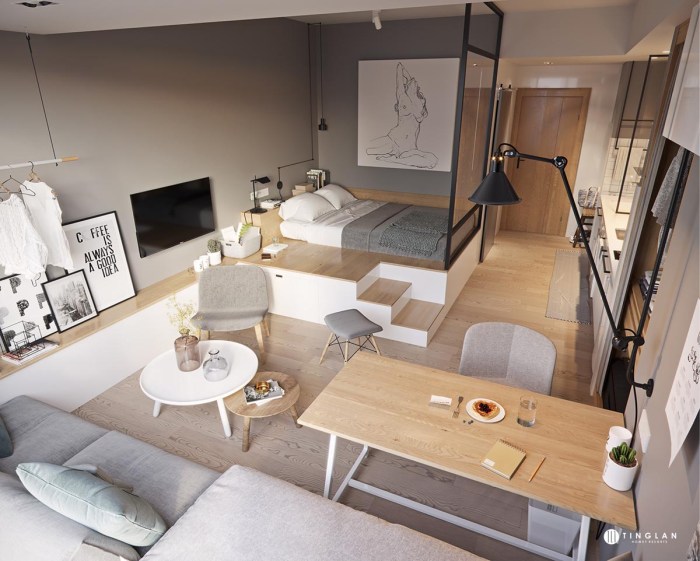
Maximizing space in a tiny apartment requires a strategic approach to furniture selection and interior design. Clever choices can transform a cramped living space into a functional and aesthetically pleasing home. This section will explore innovative space-saving furniture and design solutions, focusing on multifunctional pieces and built-in storage options.
Innovative Space-Saving Furniture Designs
The following illustrations depict innovative furniture pieces designed specifically for small spaces. These designs prioritize functionality, versatility, and compact dimensions to maximize usable floor area.
Illustration 1: The Murphy Bed with Integrated Desk
This design combines a full-size Murphy bed (dimensions: 75″L x 54″W x 12″D when closed; 75″L x 54″W x 78″H when open) with a fold-down desk (36″W x 24″D) seamlessly integrated into its structure. Constructed from high-quality engineered wood and finished in a light oak veneer, it provides both sleeping and workspace in a single unit. When closed, it resembles a stylish cabinet, enhancing the room’s aesthetic appeal.
Illustration 2: Ottoman with Hidden Storage
A generously sized ottoman (dimensions: 36″L x 24″W x 18″H) features a lift-up lid revealing ample storage space for blankets, pillows, or seasonal items. Crafted from durable upholstery fabric (e.g., polyester blend) over a solid wood frame, it provides both seating and storage. The neutral color palette makes it adaptable to various décor styles.
Illustration 3: Modular Shelving System
A modular shelving system (individual units: 12″W x 12″D x 36″H) allows for customizable storage configurations. Each cube is constructed from lightweight yet sturdy particleboard, available in a variety of colors and finishes. The interlocking design enables users to create bespoke shelving units to fit any wall space, maximizing vertical storage.
Illustration 4: Wall-Mounted Fold-Down Table
This space-saving table (dimensions: 30″W x 24″D when open; 30″W x 4″D when closed) folds neatly against the wall when not in use. Constructed from robust metal with a durable wood top, it provides a convenient dining or workspace when needed. The minimalist design complements various interior styles.
Illustration 5: Convertible Sofa Bed
A stylish convertible sofa bed (dimensions: 78″L x 36″W x 34″H as sofa; 78″L x 54″W x 24″H as bed) effortlessly transforms from a comfortable sofa into a double bed. Upholstered in a high-quality fabric (e.g., linen blend) and supported by a sturdy frame, it offers both seating and sleeping options in one piece. The simple design ensures it does not overwhelm the space.
Foldable Furniture Comparison
Choosing foldable furniture is a key strategy for maximizing space. The following table compares five popular options.
| Product Name | Features | Price Range | Image Description |
|---|---|---|---|
| Foldable Desk | Wall-mounted, compact design, durable materials | $100 – $300 | A sleek, minimalist wall-mounted desk that folds flat against the wall when not in use. Made of high-quality materials, it provides a sturdy work surface. |
| Foldable Chair | Lightweight, easy to store, comfortable seating | $50 – $150 | A simple, foldable chair made from a lightweight yet durable material, easily stored away when not needed. |
| Foldable Table | Easy to assemble, space-saving design, suitable for small spaces | $75 – $250 | A compact foldable table that can be easily stored away when not in use. Its simple design makes it suitable for various spaces. |
| Foldable Bed | Comfortable mattress, sturdy frame, simple folding mechanism | $200 – $600 | A comfortable foldable bed with a sturdy frame and a simple folding mechanism. The bed is easy to store away during the day. |
| Foldable Storage Ottoman | Hidden storage compartment, comfortable seating, stylish design | $150 – $400 | A stylish ottoman with a hidden storage compartment, perfect for storing blankets, pillows, or other items. |
Benefits of Multifunctional Furniture
Multifunctional furniture offers significant advantages in maximizing space. By combining the functions of several pieces into one, it reduces clutter and frees up valuable floor area. Examples include sofa beds, ottomans with storage, and Murphy beds, each serving multiple purposes efficiently. This approach minimizes the number of individual pieces of furniture required, creating a more open and spacious feel.
Clever Built-In Storage Solutions
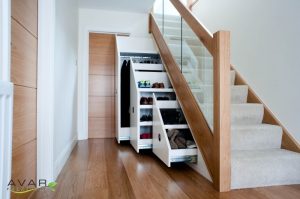
Built-in storage solutions are highly effective for maximizing space in tiny apartments. Custom-designed units can utilize otherwise wasted space, such as under-stair storage (dimensions vary depending on stair design, but can often accommodate shelving or drawers), alcoves (shelving units built into alcoves can provide ample storage), or even above doorways (shallow cabinets above doorways can store less frequently used items).
Materials commonly used include plywood, MDF, and melamine, offering durability and affordability. Custom designs allow for optimization of space and integration with the overall aesthetic of the apartment.
Decluttering & Organization Strategies
Maximizing space in a tiny apartment requires a strategic approach to decluttering and organization. Effective methods for minimizing possessions and optimizing storage are crucial for creating a comfortable and functional living environment. This section Artikels a step-by-step process and provides practical tips for decluttering various areas of your home.
A Step-by-Step Decluttering Process
Decluttering a tiny apartment is best approached systematically. Begin by choosing one area to focus on, such as a single drawer, a shelf, or a closet. Avoid trying to tackle the entire apartment at once, as this can be overwhelming. Once you have chosen your area, remove everything from it. Carefully examine each item, asking yourself if you truly need it, use it, or love it.
If the answer is no to all three, discard or donate the item. For items you are unsure about, set them aside in a “maybe” box. After completing this process for the chosen area, move on to another. Repeat this process until the entire apartment has been decluttered. Remember to be ruthless – the goal is to minimize possessions, not merely rearrange them.
Practical Decluttering Tips
Effective decluttering requires a focused strategy. The following tips address common areas where clutter accumulates:
- Clothes: Try on each garment. If it doesn’t fit, doesn’t flatter, or hasn’t been worn in a year, donate or discard it. Consider utilizing vertical space in closets with hanging organizers and shelving.
- Books: Digitize books where possible. Donate or sell books you’ve already read and don’t plan to reread. Utilize bookshelves efficiently, arranging books vertically and horizontally to maximize space.
- Kitchenware: Get rid of duplicate items, broken appliances, and rarely used gadgets. Use drawer organizers and vertical stacking to optimize space in cabinets and drawers.
- Papers: Shred unnecessary documents immediately. File important documents digitally or in a slim, organized filing system.
- Bathroom Items: Discard empty containers and expired products. Use drawer organizers and vertical storage solutions for toiletries.
- Electronics: Consolidate chargers and cables. Donate or recycle old electronics that are no longer functional.
- Decorative Items: Choose a few meaningful items and remove the rest. Over-decorating can make a small space feel cramped.
- Sentimental Items: Take photos of sentimental items to preserve memories without keeping physical clutter. Choose a few truly cherished items to keep.
- Cleaning Supplies: Consolidate cleaning products and keep only what you regularly use. Store supplies in a discreet and easily accessible location.
- Seasonal Items: Store out-of-season items in labeled bins or containers under the bed or in a storage unit.
Effective Storage Solutions
Visualizing storage solutions is key to maximizing space. Imagine a wall-mounted shelving unit reaching from floor to ceiling. This vertical storage solution can hold books, decorative items, and other belongings, freeing up valuable floor space. Under-bed storage containers can hold seasonal clothing, linens, or other items that are not frequently used. Clear, stackable containers allow for easy identification of contents and efficient use of space.
Think of using the space under your sink with pull-out shelves or tiered organizers to maximize vertical space and easy access. A well-designed storage system combines functionality with aesthetic appeal, enhancing the overall look and feel of the apartment.
KonMari Method vs. Minimalist Approach
The KonMari method emphasizes keeping only items that “spark joy,” while the minimalist approach focuses on reducing possessions to only essential items. Both methods are effective for decluttering tiny apartments, but their approaches differ. The KonMari method is more sentimental, encouraging a thoughtful assessment of each item’s emotional impact. The minimalist approach is more pragmatic, prioritizing functionality and minimizing possessions to the absolute necessities.
The best approach depends on individual preferences and priorities. For a tiny apartment, a combination of both approaches—selectively keeping items that spark joy and focusing on only essential items—can be highly effective.
Optimizing Layout & Flow
Effective spatial planning is crucial in maximizing the functionality and comfort of a small apartment. By carefully considering furniture placement, color palettes, and lighting design, even the smallest space can feel open and inviting. This section will explore practical strategies to optimize the layout and flow of a small apartment, transforming it from cramped quarters to a comfortable and efficient living space.
Apartment Floor Plan: A 300 Square Foot Example
This floor plan illustrates optimal furniture placement for a 300 sq ft apartment (approximately 10ft x 30ft). The design prioritizes functionality and flow, minimizing wasted space.
| Area | Dimensions (ft) | Furniture | Description |
|---|---|---|---|
| Living Area | 10 x 10 | Sofa (6ft), Coffee Table (3x3ft), Small Rug | A compact L-shaped sofa maximizes seating while fitting snugly into the corner. A small coffee table provides a functional surface without overwhelming the space. A rug defines the living area and adds warmth. |
| Kitchen | 10 x 5 | Compact Kitchen Units, Fold-Down Table | Custom-designed, space-saving kitchen cabinets maximize storage while maintaining a streamlined aesthetic. A fold-down wall-mounted table provides dining space when needed. |
| Bedroom | 10 x 5 | Murphy Bed, Small Chest of Drawers | A Murphy bed folds away neatly during the day, freeing up valuable floor space. A compact chest of drawers provides essential storage. |
| Bathroom | 5 x 5 | Standard Bathroom Fixtures | Standard bathroom fixtures are strategically placed to maximize usable space. |
The Impact of Color on Perceived Space
Color significantly influences the perceived size of a room. Light, neutral colors such as whites, creams, and pale grays reflect light, making a space feel larger and airier. Darker colors absorb light, creating a more intimate but potentially smaller feeling atmosphere.Examples of space-enhancing color palettes include:
- White walls with pale gray accents and light wood furniture.
- Cream walls with soft blue accents and natural fiber rugs.
- Pale gray walls with white trim and pops of bright color in accessories.
Principles of Good Lighting Design in Small Apartments
Natural light is essential in maximizing the perceived size of a small apartment. Maximizing natural light entry through sheer curtains or blinds is key. Strategic placement of mirrors can reflect light, further enhancing brightness and creating an illusion of more space. In addition to natural light, layered artificial lighting—a combination of ambient, task, and accent lighting—is recommended.
Ambient lighting provides overall illumination, task lighting focuses on specific areas, and accent lighting highlights architectural features or artwork.
Common Layout Mistakes and Their Solutions
Several common layout mistakes can negatively impact the flow and functionality of a small apartment.
- Blocking Natural Light: Placing large furniture pieces in front of windows obstructs natural light. Solution: Strategically position furniture to allow maximum light penetration. Consider using sheer curtains to soften the light without blocking it entirely.
- Cluttered Entryways: Overcrowding entryways creates a feeling of confinement and restricts movement. Solution: Keep entryways clear and clutter-free. Utilize wall-mounted storage or slimline furniture to maximize space.
- Poor Furniture Placement: Incorrectly placed furniture can disrupt the flow of traffic and make the space feel cramped. Solution: Arrange furniture to allow for easy movement throughout the apartment. Consider the traffic patterns and ensure furniture doesn’t impede walkways.
Smart Storage Solutions
Maximizing space in a small apartment requires creative and efficient storage solutions. Clever storage isn’t just about hiding things away; it’s about integrating storage seamlessly into your living space to enhance both functionality and aesthetics. This section explores innovative storage ideas for kitchens and bathrooms, as well as a comparison of different storage container types.
Innovative Kitchen Storage Solutions
Small kitchens often lack ample storage. The following solutions offer increased capacity and improved functionality without compromising valuable counter or floor space.
- Pull-out Pantry Organizers: These maximize narrow cabinet space by utilizing pull-out shelves or drawers. Capacity varies depending on the size of the cabinet and the number of shelves, but they can easily double or triple the usable storage area. Functionality includes easy access to items at the back of the cabinet, preventing food waste due to forgotten items.
- Under-Sink Organizers: These utilize the often-wasted space under the sink. They typically feature adjustable shelves and compartments to accommodate cleaning supplies, garbage bags, and other items. Capacity depends on the size of the space under the sink, but even a small organizer can create significant extra space. The functionality is improved organization and easy access to items often stored haphazardly.
- Vertical Spice Racks: These slim racks mount on the inside of cabinet doors or on walls, using vertical space for storing spices. Capacity is surprisingly high; many can hold dozens of spice jars. Functionality includes easy visibility and access to spices, improving cooking efficiency.
- Magnetic Knife Strips: These free up valuable drawer space by securely holding knives on a magnetic strip attached to the wall or underside of a cabinet. Capacity depends on the length of the strip but can hold several knives. Functionality includes easy access to knives and a safer storage solution compared to cluttered drawers.
- Over-the-Cabinet Organizers: These shelves mount on the top of cabinets, utilizing often-unused space. Capacity depends on the size of the organizer and the available space above the cabinets. Functionality includes storage for infrequently used items, freeing up valuable lower cabinet space.
Vertical Space Optimization in Tiny Bathrooms
Bathrooms, especially in small apartments, are often cramped. Utilizing vertical space is key to maximizing storage.Imagine a small bathroom with a standard vanity. Instead of just a simple countertop, picture a tall, narrow shelving unit placed beside the vanity. This unit, approximately 60cm wide, 180cm tall, and 30cm deep, could have three or four shelves. The bottom shelf could hold larger items like bath towels and toiletries, while the upper shelves would be ideal for smaller items like cotton balls, makeup, and medicine.
Above the shelving unit, a small, floating shelf could be installed for items used daily, like toothbrushes and toothpaste. Visualize this: a clean, white shelving unit contrasts beautifully with dark grey subway tiles, providing ample storage without overwhelming the small space. The floating shelf above adds a touch of modern minimalism. This setup efficiently uses the vertical space, making the bathroom feel less cluttered and more organized.
This approach can be further enhanced with the addition of clear, stackable storage containers on the shelves, adding to the organized feel and ensuring everything is easily accessible.
Comparison of Storage Container Types
Choosing the right storage container is crucial for effective organization. The following table compares different types:
| Container Type | Material | Size Options | Price Range |
|---|---|---|---|
| Plastic Bins | Plastic (PP, HDPE) | Small, Medium, Large, X-Large | $5 – $25 |
| Fabric Storage Cubes | Fabric (Polyester, Canvas) | Small, Medium, Large | $10 – $30 |
| Wooden Boxes | Wood (Pine, Bamboo) | Small, Medium, Large | $15 – $50 |
| Wire Baskets | Metal (Steel, Chrome) | Small, Medium, Large | $8 – $20 |
Storage Ottomans and Beds with Built-in Storage
Storage ottomans and beds with built-in storage offer significant space-saving advantages.Storage ottomans provide seating and hidden storage within their structure. Advantages include extra seating, concealed storage for blankets, pillows, or games, and a visually appealing addition to a room. Disadvantages include limited storage capacity compared to dedicated storage solutions, and potential structural issues if overloaded. For example, a small square ottoman might be perfect for storing a few blankets and throw pillows in a living room, but wouldn’t be suitable for bulky items.Beds with built-in storage offer substantial storage space underneath the mattress, often accessible via drawers or lift-up mechanisms.
Advantages include increased storage capacity, ideal for seasonal items or bedding, and a streamlined look compared to using separate storage units. Disadvantages include higher initial cost compared to standard beds, potential difficulty accessing items stored deep within the unit, and the added weight which may impact mobility if the bed needs to be moved. For instance, a platform bed with multiple drawers underneath could store all the bedding, extra linens and even off-season clothing, maximizing the functionality of the bedroom.
Compact Living
Embracing compact living in a tiny apartment requires a shift in mindset and lifestyle. Minimizing possessions and optimizing space are key to creating a comfortable and functional living environment, even within limited square footage. Adopting a minimalist lifestyle offers significant benefits in this context, promoting a sense of calm and reducing the stress often associated with clutter and disorganization.
Benefits of Minimalist Living in Small Spaces
Minimalism, in the context of small-space living, is about intentionally choosing what you own and keeping only those items that serve a purpose and bring you joy. This reduces visual clutter, making your apartment feel more spacious and less overwhelming. The process of decluttering can also be surprisingly therapeutic, freeing up mental space alongside physical space. Less stuff means less cleaning and maintenance, freeing up valuable time and energy.
Finally, a minimalist approach often encourages mindful consumption, leading to greater financial freedom and a reduced environmental impact.
Practical Tips for Maintaining a Clean and Organized Space
Maintaining a clean and organized space in a compact apartment requires consistent effort and strategic planning. Here are five practical tips to achieve this:
- Regular Decluttering: Schedule short, regular decluttering sessions (e.g., 15 minutes weekly) to prevent clutter from accumulating. Focus on one area at a time, discarding unwanted items and donating or selling those in good condition.
- Vertical Space Optimization: Utilize vertical space with shelving units, wall-mounted organizers, and stacked storage containers. This maximizes storage capacity without sacrificing floor space.
- Multi-functional Furniture: Invest in furniture that serves multiple purposes, such as a sofa bed, ottomans with storage, or a coffee table with drawers. This increases functionality while minimizing the number of individual pieces.
- Strategic Storage: Use clear storage containers to see what’s inside, keeping frequently used items easily accessible. Store seasonal items or infrequently used belongings in off-site storage if space permits.
- Daily Tidying: Spend a few minutes each day tidying up, putting things back in their designated places. This prevents small messes from becoming overwhelming.
Creating a Relaxing and Functional Workspace
Creating a dedicated workspace, even in a small apartment, is crucial for productivity and well-being. A well-designed workspace can help maintain a work-life balance, preventing the blurring of boundaries that can occur when working from home in a limited space.Consider using a folding desk or a wall-mounted desk that can be folded away when not in use to reclaim floor space.
Adequate lighting is essential, both natural and artificial. Incorporate plants to create a calming atmosphere. Organize your workspace with efficient storage solutions to minimize clutter and maximize functionality. A comfortable chair is also crucial for long working sessions. Ensure your workspace is well-ventilated and that you take regular breaks to avoid burnout.
Key Principles of Successful Compact Living
Three key principles underpin successful compact living: intentionality, adaptability, and organization.
- Intentionality: This involves making conscious decisions about every item you bring into your home. Ask yourself if it truly serves a purpose and adds value to your life. Avoid impulse purchases and prioritize quality over quantity.
- Adaptability: Be flexible and willing to adjust your lifestyle to suit your limited space. This may involve adopting new habits, such as utilizing vertical space, embracing multi-functional furniture, and employing clever storage solutions.
- Organization: A well-organized space feels larger and more manageable. Develop a system for storing your belongings, keeping frequently used items easily accessible and less frequently used items stored away efficiently. Regular decluttering and maintenance of this system are vital.
Ultimately, maximizing space in a tiny apartment is about more than just fitting in furniture; it’s about creating a functional and aesthetically pleasing living environment that reflects your personal style. By embracing smart storage solutions, decluttering strategies, and mindful design choices, you can transform your small space into a haven of comfort and efficiency. The journey may require some adjustments, but the rewards of a well-organized and visually appealing home are well worth the effort.
Clarifying Questions
How can I make my small kitchen feel bigger?
Light-colored cabinets and countertops, minimalist décor, and efficient storage solutions like pull-out drawers and vertical shelving can significantly enhance the perceived size of a small kitchen.
What are some affordable ways to improve storage?
Repurpose existing containers, utilize over-the-door organizers, and explore inexpensive storage solutions from retailers like IKEA or dollar stores. DIY solutions using readily available materials can also be cost-effective.
How do I deal with limited closet space?
Employ vertical storage solutions, use slimline hangers, and consider off-season storage to maximize your closet’s capacity. Purging unnecessary items is also crucial.
Can I create a functional workspace in a tiny apartment?
Yes, a fold-down desk, a repurposed windowsill, or even a section of a countertop can serve as a functional workspace. Prioritize organization and ensure sufficient lighting.